Smart glasses are no longer a novelty, they're becoming the next real design category, and brands are already behind.
From Meta Ray-Ban AI eyewear to Oakley's performance line and Warby Parker's retail footprint, the smart glasses boom is reshaping how founders and design leads think about wearable tech. Color-shifting lenses, swipe gestures, and form-first frames are turning everyday eyewear into a product category that rivals early smartphone wars for attention.
Why Smart Glasses Are Suddenly Everywhere
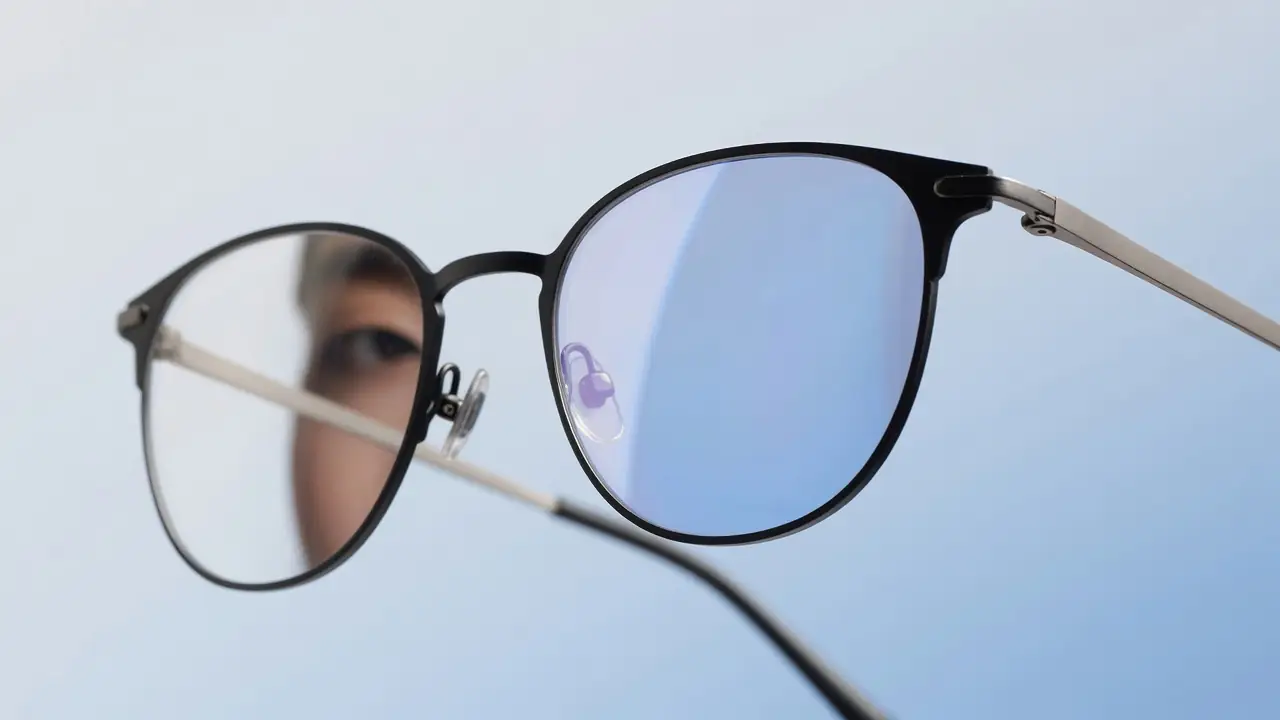
Smart glasses are having a moment. Meta's Ray-Ban collaboration made AI-powered eyewear mainstream, and now a new wave of designers is pushing further, building glasses where the lens itself becomes a dynamic surface. One form-first pair of sunglasses that shifts lens color and tint with a single swipe is a small detail that signals a much bigger shift in wearable design.
This matters beyond eyewear. When a physical object becomes responsive, every brand that touches physical products, apps, or packaging has to rethink what “interface” even means. Apple Vision Pro set a high bar for spatial computing; smart sunglasses and adaptive lens technology are bringing similar ambition to something people already wear every day.
Short Stereo has spent years helping brands translate emerging tech into design systems people actually want to use, long before “wearable” was a category on a pitch deck. Explore how we approach website design services for brands navigating fast-moving tech trends.
1. The Lens Is Becoming the Interface
For decades, glasses were static. Now the lens itself responds to touch, shifting tint, color, and even function with a swipe. This is the same logic behind touchscreens two decades ago: the surface stops being passive and starts being interactive.
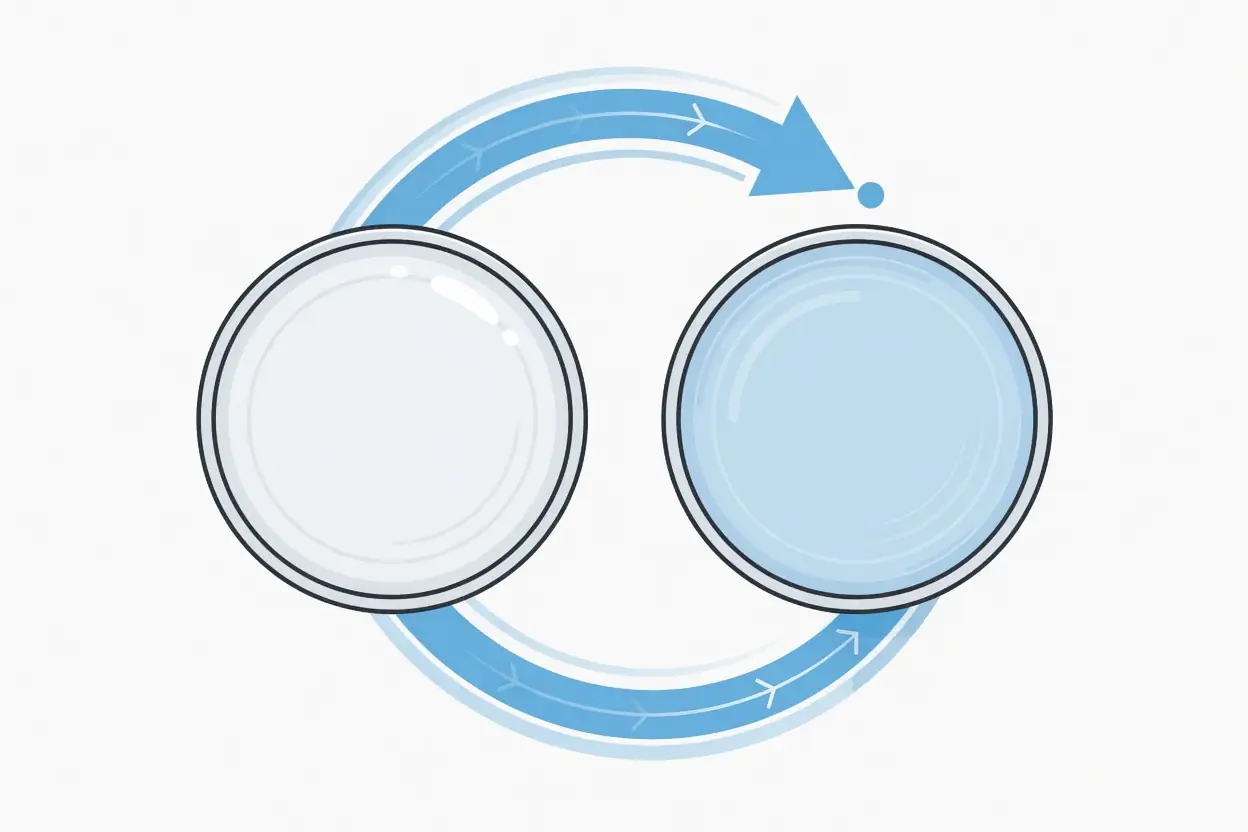
What color-shifting tech signals about wearable UX
- Physical surfaces are becoming input devices, not just displays
- Micro-interactions (a swipe, a tap) now happen on the body, not just the screen
- Designers must think in gestures, not just pixels
2. Form-First Design Is Beating Feature-First Design
The most interesting part of this trend isn't the technology, it's that the design leads. Instead of cramming visible tech into a bulky frame, the newest smart glasses look like ordinary eyewear first. The smart function hides inside familiar form.
This is a lesson every brand building a “smart” product should take seriously: people adopt technology faster when it doesn't look like technology. Form-first design beats feature-first design when the product lives on someone's face all day.
3. Gesture Control Is the New Tap
A swipe to change lens tint is a small gesture, but it represents a larger pattern: control is moving off screens and onto surfaces, fabrics, and frames. Brands designing apps, packaging, or connected products need to ask a new question, what's the gesture, and does it feel natural on a body-worn object rather than a handheld one?
4. Brand Identity Now Lives on the Body, Not Just the Screen
When a product is worn, it becomes a walking extension of a brand's identity, visible in public, photographed, shared. That raises the design bar for everything from the object itself to its packaging and companion app. Digital brand identity no longer stops at the website or the feed.
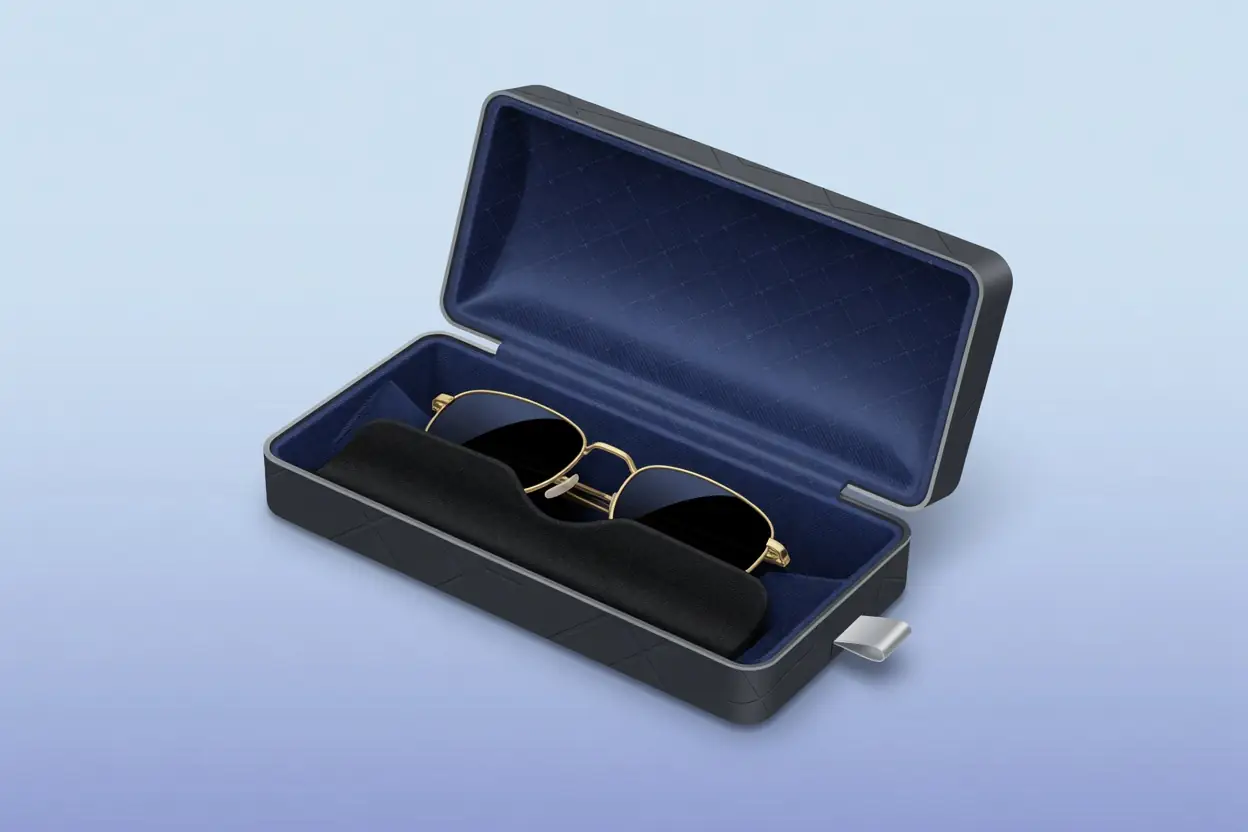
Why packaging and app design must match
- The unboxing experience should feel as considered as the product
- Companion apps need visual consistency with the physical object
- Color and material choices carry as much brand weight as a logo
5. Consumer Trust Depends on Simplicity
Smart glasses succeed or fail based on how invisible the “smart” part feels. A single swipe gesture works because it's intuitive, no manual required. Overcomplicated tech interactions erode trust fast, especially on wearables people use in public. Experience design that prioritizes clarity will win over feature lists that overwhelm.
6. Smart Accessories Are Becoming Marketing Channels
A product that visibly changes, like a lens shifting color, is inherently shareable. It photographs well, it prompts questions, and it turns everyday use into organic content. Brands should be designing products and campaigns with this in mind from the start.
See how we build social media systems for brands that want product moments to become pipeline, not just posts.
7. This Week's Playbook: What to Actually Do
Design trends explained through a practical checklist, so you can act this week, not next quarter.

Design audit checklist
- Audit, Does your product or app have any “static surface” that could become interactive or responsive?
- Align, Does your packaging and companion digital experience share a consistent visual language?
- Adapt, Identify one small gesture-based interaction you could prototype this quarter.
- Launch, Test it with a small audience before rolling out broadly.
Content and social checklist
- Document any visible product change (color shift, transformation, motion) for organic content
- Keep captions simple, let the visual do the work
- Prioritize short-form video over static images for anything that “changes”
Conclusion
The story behind a single pair of color-shifting sunglasses is really a story about where design is headed: surfaces that respond, products that double as content, and brand identity that lives on the body as much as on a screen. Smart glasses are still early, but the design principles behind them, form-first thinking, intuitive gestures, and shareable moments, apply to any brand building for what's next. The businesses that adapt their design and content strategy now will be the ones consumers recognize when wearable tech goes fully mainstream.
If you're ready to turn these lessons into a coherent brand system, Short Stereo can help you design, ship, and scale.
Further reading on design coverage
For original product and industrial design coverage that inspired this broader category analysis, see reporting on emerging adaptive eyewear concepts via Designboom (attribution only).
How Short Stereo Helps Brands Apply This
At Short Stereo, we turn insights like these into design systems, digital experiences, and content workflows that stay on-brand, so strategy does not stop at the article.
Frequently Asked Questions
What are smart glasses used for?
Smart glasses combine everyday eyewear with added functions like AI assistance, audio, cameras, or, increasingly, responsive lens technology such as adjustable tint.
Are smart glasses the same as AR glasses?
Not exactly. AR glasses overlay digital information onto your view, while many smart glasses (like adaptive-tint models) focus on simpler, non-visual smart functions such as touch-based lens control.
Will smart glasses replace smartphones?
Unlikely in the near term, but they're increasingly positioned as a companion device, handling quick interactions like notifications, audio, or now, physical lens adjustments.
How should brands respond to wearable tech trends?
By auditing their own products and digital experiences for opportunities to simplify interactions, align physical and digital brand identity, and design for shareability.