78% of marketers say they can't personalize at scale, but the brands that get it right, like Netflix and Amazon, prove it's not a data problem.
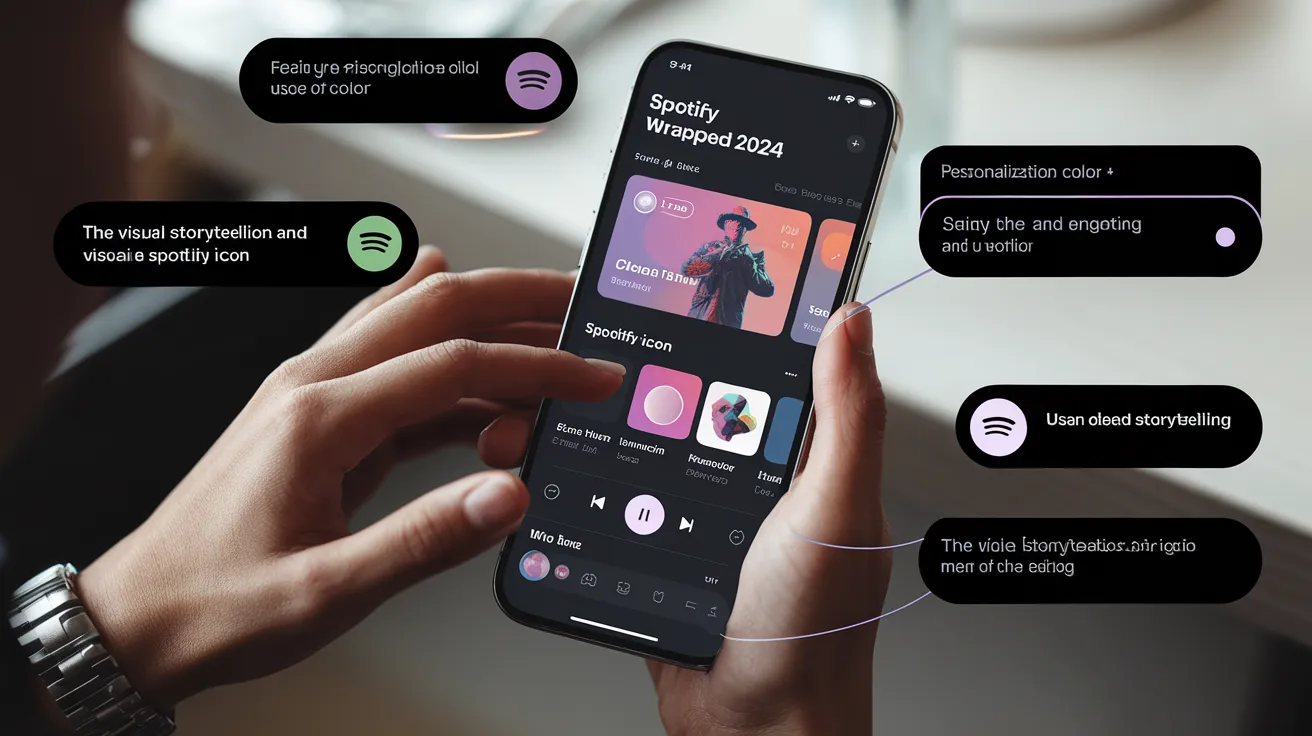
Personalization at scale is the promise every marketing team chases and the capability most still can't deliver. The gap shows up every day: Netflix recommends the next show before you've finished the last one, Amazon seems to know what you need before you search, and Spotify builds a year-end wrap-up so precise it feels made by a friend, while most brands still struggle past a first name in an email subject line.
See how we approach AI content and growth for brands trying to close this exact gap.
The Netflix Problem: Why 78% of Marketers Can't Keep Up
A hard number sits on something most marketers already feel: 78% say they struggle to personalize at scale. Meanwhile, Netflix personalization, Amazon's recommendation engine, and Spotify personalization make relevance feel effortless.
The gap isn't a mystery. It's not that these companies have secret algorithms no one else can access, it's that they treat personalization as a design problem first, and a data problem second. Most brands do the opposite. Marketing trends keep adding channels; few teams redesign the journey those channels feed.
1. Personalization at Scale Isn't a Data Problem, It's a Design Problem
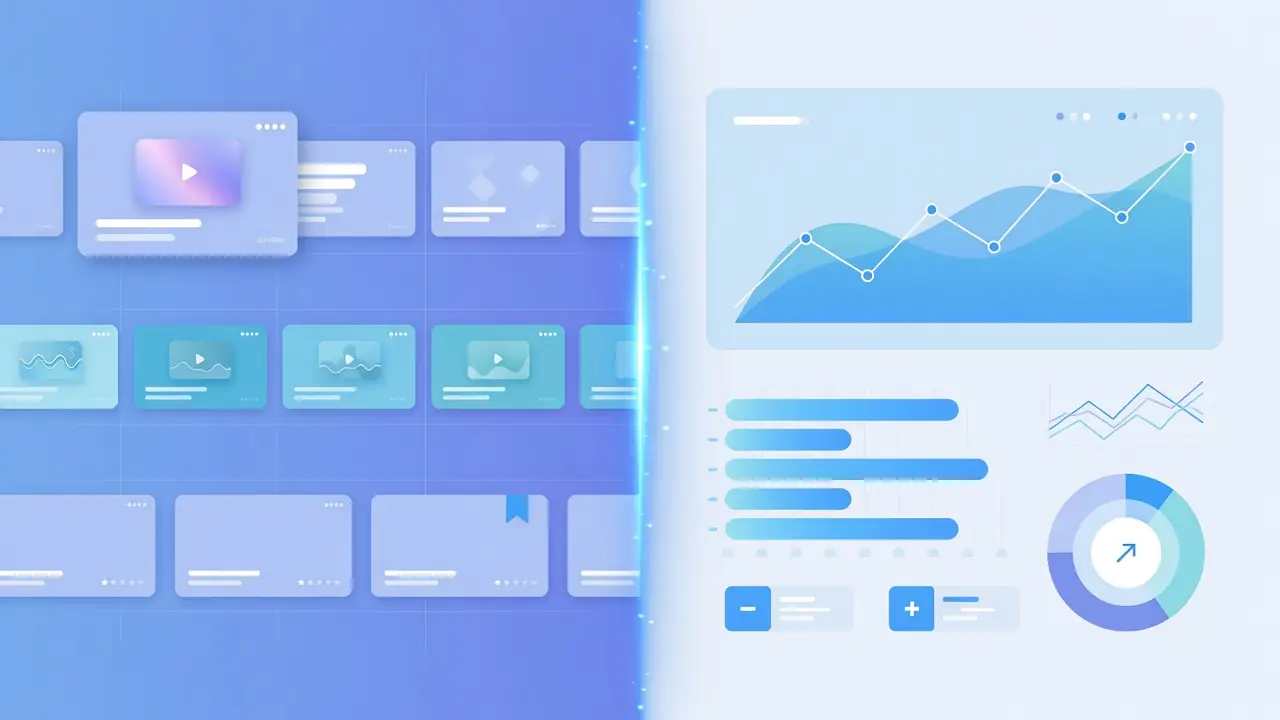
Most brands assume the fix for weak personalization is more data, more CRM fields, more tracking, more segments. But Amazon and Netflix don't win because they have unlimited data. They win because every part of their product is designed to surface the right thing at the right moment.
Why Amazon's recommendations feel effortless
- The recommendation isn't bolted onto the experience, it is the experience
- Every interaction (click, scroll, purchase) feeds directly back into what's shown next
- The design hides complexity; the customer only sees relevance
2. Spotify Wrapped Isn't Magic, It's Structure
Spotify Wrapped works because the underlying data was already structured to tell a story, genres, minutes listened, top artists, long before December. Most brands' data isn't structured for storytelling at all; it's structured for reporting. That's the real gap between “we have data” and “we can personalize.”
That is why modular content systems and social media systems matter: they make variation cheap without breaking digital brand identity.
3. Most Brands Personalize the Message, Not the Journey
A first name in an email subject line isn't personalization, it's a mail-merge. Real personalization changes the path a customer takes: what they see first, which offer appears, which content loads. Most marketing teams only touch the message layer and never redesign the journey underneath it.
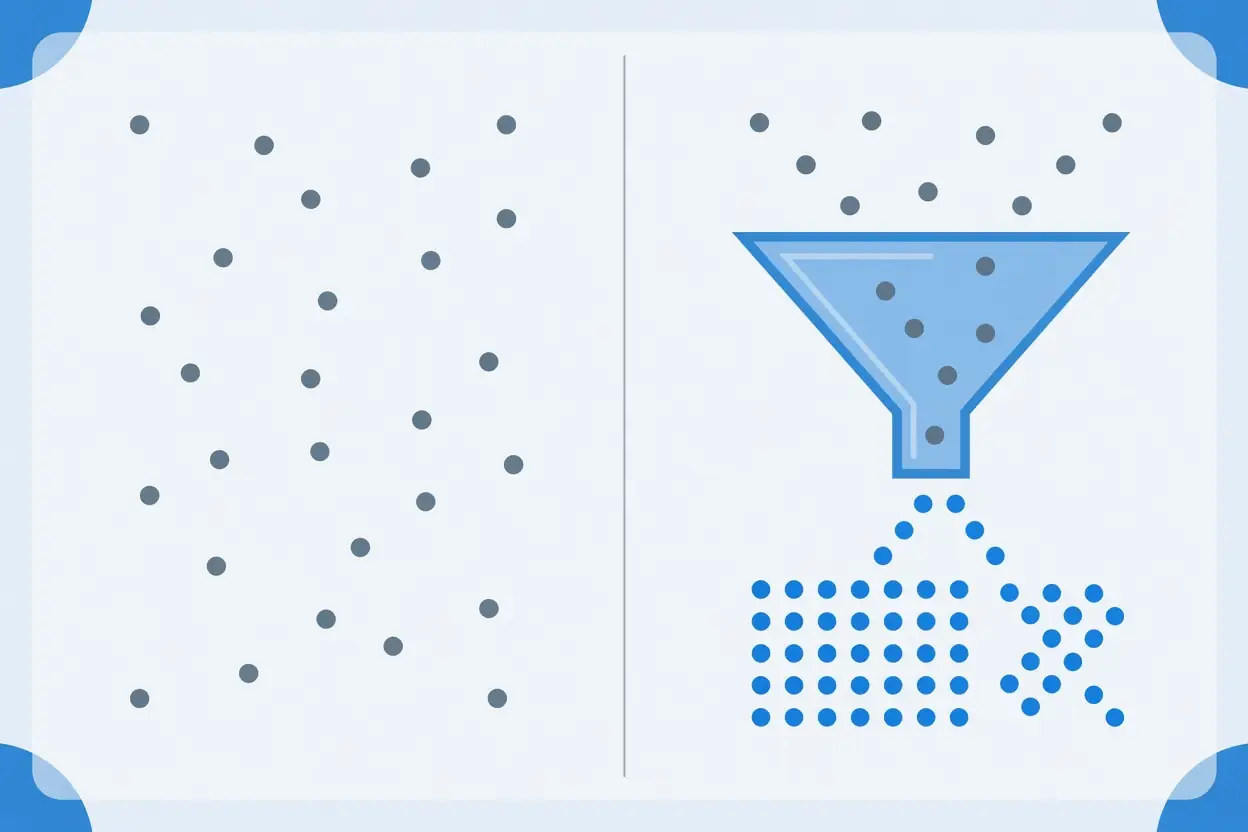
The gap between email personalization and experience personalization
- Message personalization: name, past purchase, basic segment
- Experience personalization: different homepage layout, different app flow, different content order
- The second type is what makes Netflix and Amazon feel personal, and it's almost entirely a design decision, not a data one
4. Why "More Data" Doesn't Fix Personalization
Piling on more data without a plan for how it's used just creates noise. Marketers end up with dashboards full of segments they never activate. The brands that succeed pick a small number of meaningful signals and design every touchpoint around acting on them consistently. Experience design beats data hoarding every time.
5. Personalization Is a Brand Consistency Problem in Disguise
When personalization fails, it's often not because the data was wrong, it's because the brand doesn't have a consistent enough visual and content system to personalize within. If your web design, social content, and email templates aren't built on the same modular system, there's nothing for the personalization engine to plug into. Branding strategy and customer experience personalization are the same problem viewed from two angles.
If the site itself is still a static brochure, start with website design services that treat the page as a modular product surface, not a one-off layout.
6. What Actually Works: A Simpler Personalization Model
The brands quietly succeeding at personalization tend to follow the same pattern:
- Pick 2, 3 signals that actually change behavior (not just demographics)
- Design content and layout modules that can rearrange based on those signals
- Test one journey change at a time instead of overhauling everything at once
This Week's Playbook: Where to Start
Marketing trends explained as an operating checklist, so personalization becomes a system, not a slogan.
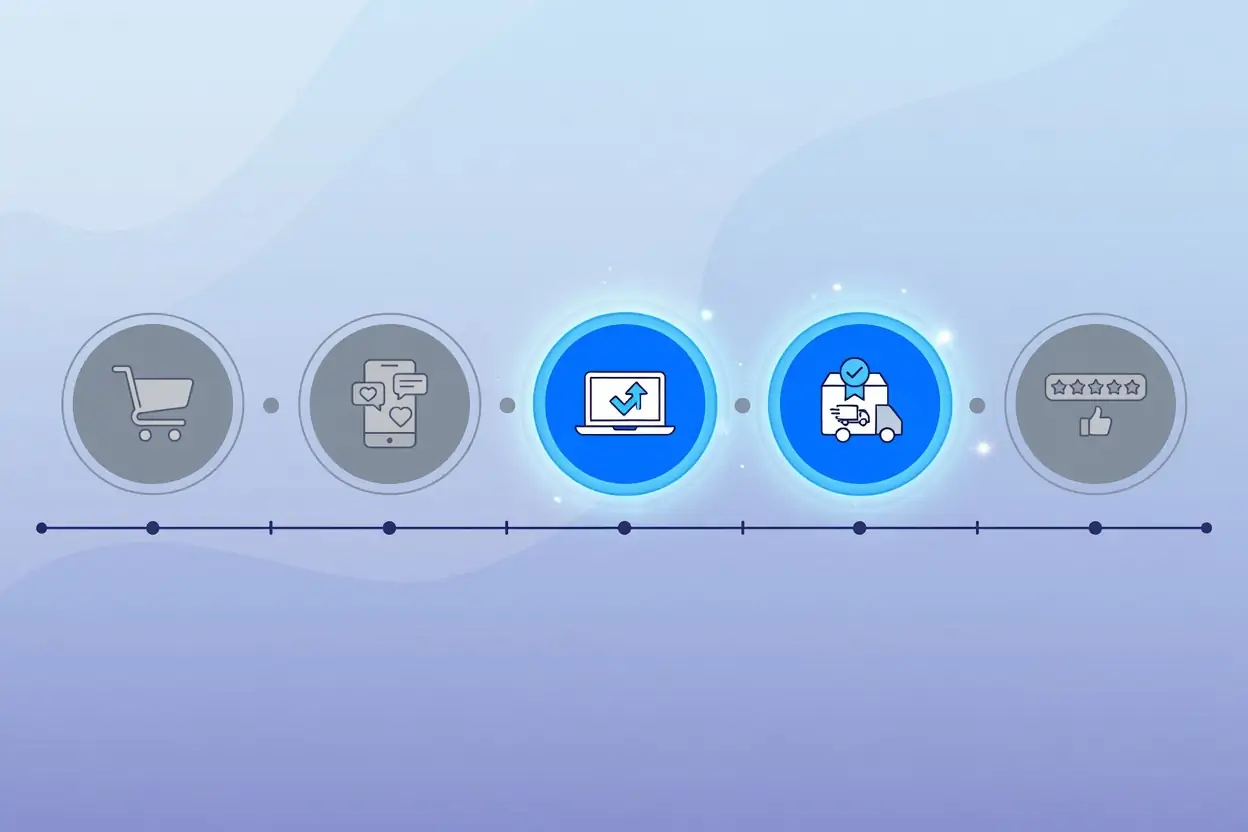
Audit checklist
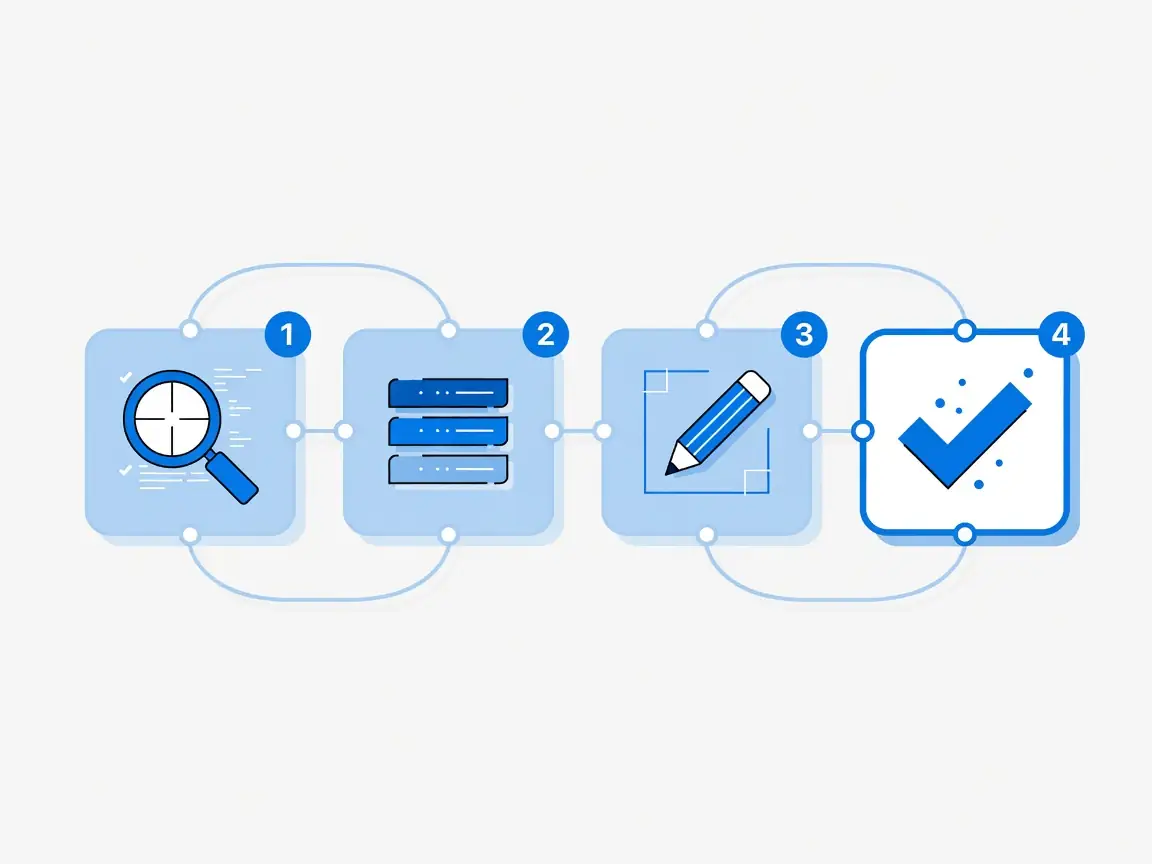
- Audit, List every place your brand currently claims to “personalize” (email, site, app, ads)
- Segment, Identify the 2, 3 signals that most affect what customers actually do
- Design, Rebuild one key touchpoint (homepage, welcome email, or app screen) around those signals
- Test, Measure the change before rolling it out everywhere
Content and channel checklist
- Build content in modular blocks that can be recombined per segment
- Keep visual and messaging systems consistent so personalization doesn't feel disjointed
- Start with your highest-traffic touchpoint, not the most complex one
Personalization at scale isn't about matching Netflix's budget, it's about matching their design discipline. Short Stereo helps brands build the design and content systems that make real personalization possible.
Conclusion
The 78% of marketers who say they can't personalize at scale aren't missing data, they're missing a design system built to use it. Netflix, Amazon, and Spotify prove that personalization is less about algorithms and more about designing every touchpoint to respond to a handful of meaningful signals. Brands that treat personalization as a content and design discipline, not just a data project, are the ones that will close this gap first.
Source note
Industry reporting on marketers' difficulty personalizing at scale has been widely discussed in business media; see coverage on Entrepreneur.com for original reporting context (attribution only).
How Short Stereo Helps Brands Apply This
At Short Stereo, we turn insights like these into design systems, digital experiences, and content workflows that stay on-brand, so strategy does not stop at the article.
Frequently Asked Questions
Why is personalization at scale so hard for marketers?
Most teams focus on collecting more data rather than redesigning the customer journey around a few meaningful signals, which is where real personalization happens.
How does Netflix personalize content so effectively?
Netflix treats recommendations as core to the product experience itself, using every interaction to refine what's shown next, rather than adding personalization as an afterthought.
Do small brands need Netflix-level personalization?
No, smaller brands benefit more from picking a few high-impact signals and designing one or two key touchpoints well, rather than trying to replicate large-scale systems.
What tools help with personalization at scale?
Tools matter less than having a consistent content and design system that personalization tools can plug into; without that structure, even advanced tools produce inconsistent results.