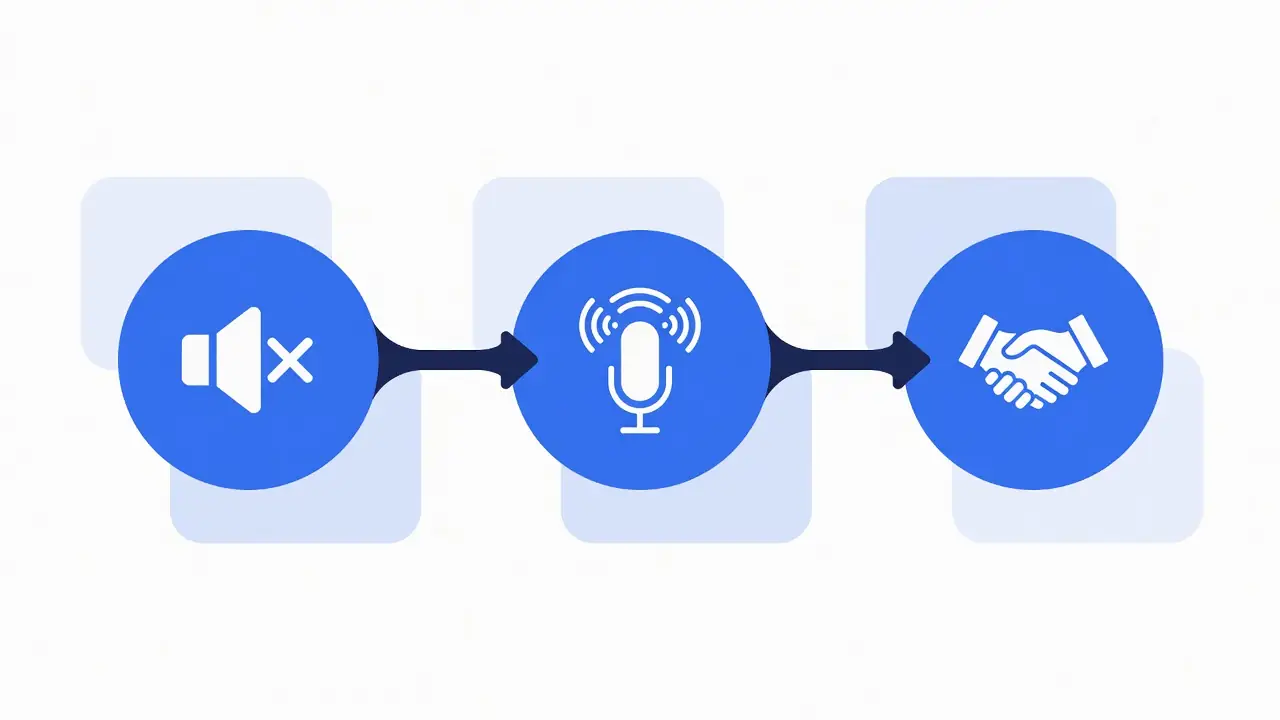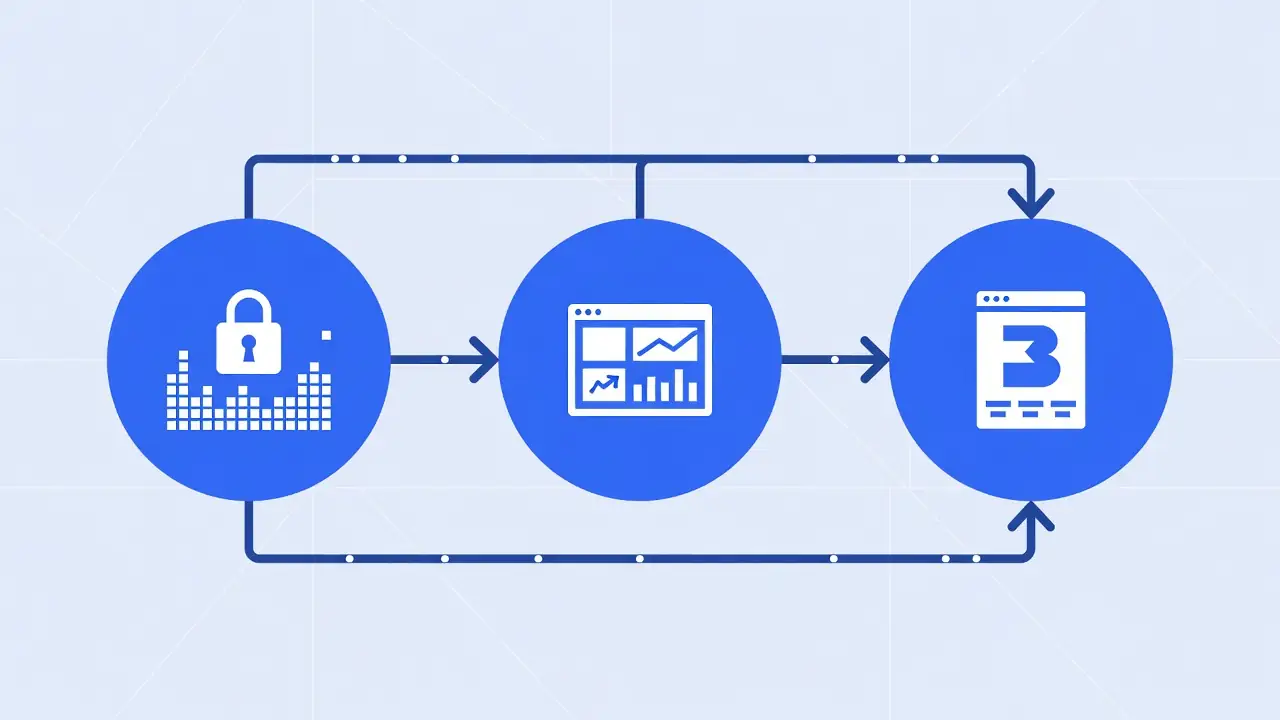
Someone helping their partner with social media ran into a familiar bill shock: a popular link in bio tool charging about $15 a month just to view click data older than 30 days. The thread on Reddit's r/socialmedia asked what everyone eventually asks, which Linktree alternatives (or free Linktree alternative options) actually make sense for small brands that only need a few links and clear numbers?
That question is bigger than a pricing complaint. Your link page is often the first place a cold visitor lands after a Reel, Story, or TikTok. If the page looks generic, the brand feels generic, even when the product is excellent. This article is the long-form companion to that insight: how to stop overpaying for unused features, keep your own data path clear, and treat the link-in-bio as part of digital brand identity, not a disposable utility.
If you only remember one line: simple and on-brand beats feature-heavy and templated. Here's how to apply that without building a full product in a weekend (unless you want to).
Why Linktree Alternatives Became a Small-Business Search Topic
Searchers looking for Linktree alternatives are rarely shopping for more buttons. They're shopping for fairness and fit: analytics they can actually use, pricing that matches a simple use case, and a page that doesn't look like every other creator on the platform.
Link-in-bio tools grew by solving a real constraint (one link in the bio). Then many added layers, commerce, email capture, scheduling, advanced modules, that a local business or early-stage brand may never open. When core history is gated behind a higher plan, the product stops feeling like software and starts feeling like a toll booth on your own traffic.
What the Reddit Debate Actually Revealed
Two comment poles showed up immediately, and both are useful.
Voice one: “I built my own in an afternoon”
Technically true for a basic list of links. A single page on your domain, a lightweight free host, or a no-code builder can replace a paid plan for many use cases. For founders who care about owning data and reducing SaaS sprawl, that DIY path is a legitimate free Linktree alternative.
Voice two: “…until it looks nothing like your brand”
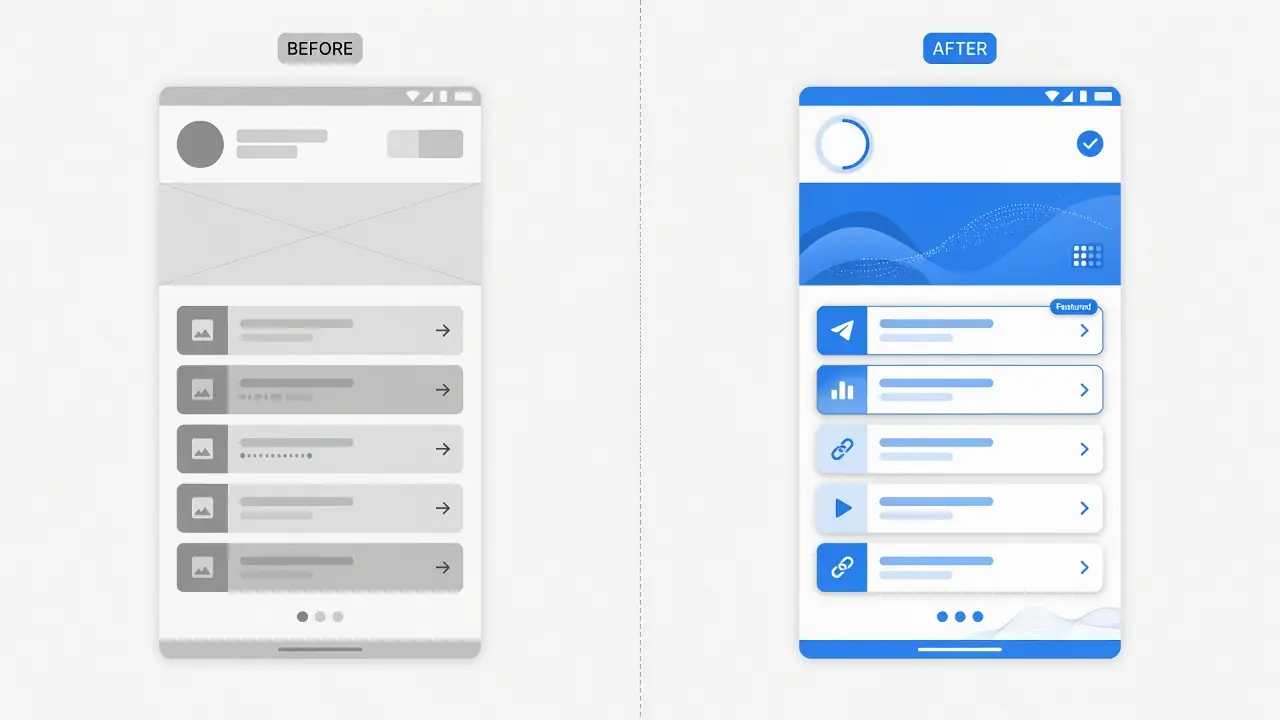
Also true. A fast DIY page often becomes a wall of blue links on a white background with inconsistent spacing and a random font. Same destinations, worse first impression. Experience design matters here: hierarchy, color, type, and mobile tap targets decide whether the page feels like your brand or like a stopgap.
The real lesson is not “tools bad, DIY good.” It is: choose the path that keeps cost low and brand high.
Your Link-in-Bio Page Is a Brand Surface, Not a Utility
A generic template and an on-brand page can hold identical URLs. The impression is not identical. Social media branding fails when the feed is sharp and the landing is bland, visitors feel the drop in quality even if they cannot name it.
Treat the link page like a micro website: one primary action, a few secondary links, your visual system, and proof (logo, product shot, or short line of positioning). That is branding strategy applied to a tiny surface, and it compounds every time someone taps “link in bio.”

7 Free Linktree Alternatives Worth Switching To
These are practical paths, not a paid ranking. Evaluate each against: cost, analytics access, brand control, and how much setup you can maintain.
1. Your own website page (best for brand control)
A dedicated “/links” page on your domain is the strongest free Linktree alternative for brands that already have a site. You keep the data, match the design system, and avoid teaching visitors a third-party URL. Pair it with basic analytics you already use.
2. A free hosted link-in-bio plan (best for speed)
Many tools offer free tiers with enough links for small business. Use free plans intentionally: confirm whether historical click data is restricted, and whether branding (colors, fonts, cover) is good enough not to embarrass the rest of your presence.
3. Lightweight page builders (best middle ground)
Simple one-page builders can ship a polished link hub faster than a full website redesign. Choose builders that export clean mobile layouts and let you set brand colors without fighting the template.
4. Newsletter or CRM landing pages (best if email is the goal)
If the real job of the bio link is capture, not a link list, a focused landing page with one CTA often beats a multi-button hub. That is Linktree alternatives thinking by job-to-be-done, not by feature checklist.
5. Storefront or product page (best for commerce-first brands)
If 80% of traffic should buy, link straight to a well-designed product or collection page. Fewer choices, higher conversion, fully on-brand.
6. A Notion / docs public page (best for temporary campaigns)
Useful for internal launches or short campaigns, weaker for long-term brand polish. Fine as a stopgap, not as the permanent face of a premium brand.
7. A true custom build (best when design is the differentiator)
Custom HTML/CSS (or a microsite) is what the Reddit comment meant by “built in an afternoon.” It wins on ownership and brand match when executed well, and fails when design is an afterthought. If you go custom, apply the same standards you would to website design services: type scale, spacing, performance, and mobile first.
How to Choose: A Practical Comparison Framework
Use this Linktree alternatives comparison before you renew anything:
- Analytics access, Can you see history beyond a short window without a jump in price?
- Feature usage, Which modules did you open last month? Be honest.
- Brand fit, Does the page match your colors, type, and photo style?
- URL ownership, Is the link under your domain or a third-party path?
- Maintenance cost, Will you still update it in six months?
If you are only paying to unlock your own numbers, you are not buying growth software, you are renting a report. That is a business decision, not just a design preference.
What This Means for Branding and Experience Design
Social channels are the top of the funnel; the link-in-bio is the handshake. Experience design fails when those two layers disagree. Teams that invest in content but leave the bio link on a default template leak trust at the exact moment intent is highest.
Align three layers: feed creative, link destination, and primary site. Social media systems should include the bio destination as a designed asset, not an afterthought. If content volume is the bottleneck, AI-assisted content workflows can keep the feed fresh while a human still owns brand decisions on the page itself.
Your 1-Week Link-in-Bio Playbook
Ship a better setup in one week without boiling the ocean.
- Audit last 30 days of clicks, which 3 links actually matter?
- List features you used, if it is under three, you are a free-tier candidate
- Pick one path, free hosted tool, site page, or custom micro page
- Redesign for brand, colors, type, one primary CTA, mobile spacing
- Confirm analytics, you can see history without a surprise paywall
If you want the feed, the link page, and the site to feel like one system, that is the layer Short Stereo works on: design, motion, and social infrastructure so small brands stop paying for templates that do not look like them.
Conclusion
The Reddit thread about Linktree pricing was never only about fifteen dollars. It was about control, of data, of design, and of what your brand looks like after the tap. Free Linktree alternatives work when they solve those three problems, not when they merely swap one grey template for another.
Choose the lightest path that keeps analytics accessible and the page on-brand. Simple custom beats bloated templated almost every time, and your next visitor will feel the difference before they read a single word.
How Short Stereo Helps Brands Apply This
At Short Stereo, we turn insights like these into design systems, digital experiences, and content workflows that stay on-brand, so strategy does not stop at the article.
Frequently Asked Questions
What are the best free Linktree alternatives?
The best free Linktree alternatives depend on whether you need a hosted free tier, a lightweight page builder, or a custom page on your own domain. Prioritize tools that give you clear analytics without locking basic history behind a high paywall, and that let you match brand colors and layout.
Is a free Linktree alternative good enough for small business?
Yes, most small brands only need a few high-intent links, clean design, and readable click data. A free Linktree alternative or a simple custom page often outperforms a paid plan packed with features you never open.
Should I build my own link-in-bio page instead of using a tool?
Building your own can make sense if you want full brand control and own your data. The risk is design quality: a rushed DIY page can look nothing like your brand. If you build custom, treat it like a micro website, not a grey list of links.
Why does a link-in-bio page matter for branding?
Your link page is often the first destination after a social post. A generic template signals 'utility.' An on-brand page signals 'this brand is intentional.' Same links, different trust.