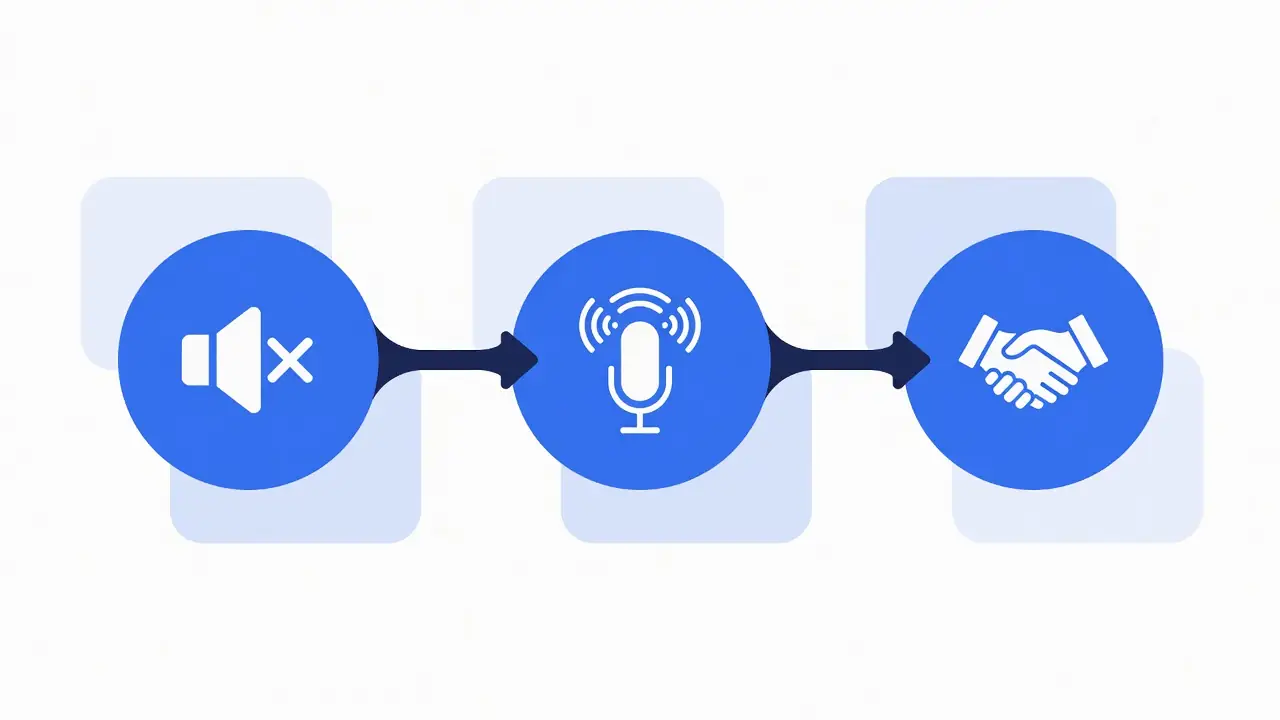
Personal branding used to be something founders, influencers, and the occasional outspoken CEO worried about. Everyone else could hide behind the company logo. That's changing fast, and one of the clearest signs is that even leaders in oil and gas, an industry built on institutional trust rather than individual visibility, are now being told to build a public presence of their own, according to coverage in industry media.
That's worth pausing on. If personal branding for executives is becoming necessary in one of the least personality-driven sectors in business, it's no longer a “nice to have” anywhere. Whether you run a fast-casual chain, a SaaS company, or a manufacturing firm, the same question applies: does your name carry any trust on its own, separate from your title?
Founders and leadership teams often know they “should post more” without a system that makes consistency realistic. The real work is design and content infrastructure: a clear point of view, a visual presence that matches the company, and a cadence that doesn't collapse after week two. Here's what the shift toward executive personal branding really teaches, and how to apply it this week.
Why Personal Branding Is No Longer Optional, Even in Oil and Gas
Industries that once relied entirely on institutional reputation are discovering that audiences increasingly trust people, not logos. A company statement reads as PR. A leader explaining the same idea in their own words reads as insight. That gap in perceived trust is exactly why personal branding has moved from marketing extra to business requirement, even in sectors that have spent decades staying quiet.
Personal branding tips that only work for influencers miss this shift. Executive branding strategy is less about going viral and more about becoming a reliable signal of judgment: for customers, talent, partners, and peers who want to know who is actually making decisions.

What Changed: From Corporate Silence to Individual Voice
Why Traditional Industries Resisted Personal Branding Longest
Highly regulated, technical, or capital-intensive industries have historically preferred controlled, collective messaging. Individual voices felt risky, harder to manage, easier to misquote, and unnecessary when the institution's reputation did the talking.
Corporate leadership branding was often treated as a liability: one off-message post could create compliance headaches or internal politics. That risk is real. It just no longer outweighs the risk of invisibility, when competitors' leaders are the ones talent and partners follow by default.
Why That Resistance Is Breaking Down Now
Audiences, talent, and even investors now expect to hear from real people, not just press releases. A leader with a credible personal brand becomes a recruiting asset, a trust signal for partners, and a distribution channel the company doesn't have to pay for.
LinkedIn personal branding, in particular, has become the default stage for industry credibility. Thought leadership branding is no longer limited to conference stages; it shows up as short posts, comment threads, and clear positions that compound over months. Branding trends explained simply: people follow people first, then companies.
7 Personal Branding Lessons Every Executive Can Apply
These personal branding tips apply whether you're a CEO, a general manager, or a senior specialist whose credibility shapes deals. How to build a personal brand is less mysterious than it sounds, and more operational than most people want to admit.
1. Your Title Isn't Your Brand
A title explains your role. A brand explains why anyone should listen to you specifically. Those are different jobs, and only one of them is built by accident.
A personal brand for CEOs fails when the profile is a resume rewrite: company name, years in role, generic mission language. Replace that with a short statement of what you stand for in the market, the problem you keep solving, the trade-offs you refuse, the lens you bring that others don't.
2. Consistency Beats a Single Big Moment
One great interview or keynote doesn't build a brand. A steady, recognizable point of view shown over months does, the same way a company's identity is built through repetition, not a single ad.
Executive branding strategy should look more like a content operating system than a campaign calendar. If you can only show up when something big happens, you don't have a brand; you have occasional publicity.
3. Say Something a Machine Couldn't
Generic industry commentary is easy to ignore. A specific, lived opinion, even a mildly contrarian one, is what actually gets remembered and shared.
- Specific > safe, name the trade-off, not just the trend
- Lived > abstract, what you saw on a site, deal, or team matters more than a recap of headlines
- Useful > clever, readers should leave with a clearer decision framework
If a post could have been written by anyone in your industry with a quick web search, it won't build professional reputation management, it will dilute it.
4. Show Up Where Your Industry Actually Reads
Personal branding doesn't require every platform. It requires the one or two places your actual audience, customers, partners, talent, already spends attention.
For many executives, that is LinkedIn. For others it is a trade publication, a niche newsletter, or a technical forum. Spreading thin across six networks is how strong leaders produce weak signals. Pick the channel, then design the format for that channel's reading habits.
5. Let Your Team's Brand Reflect Yours
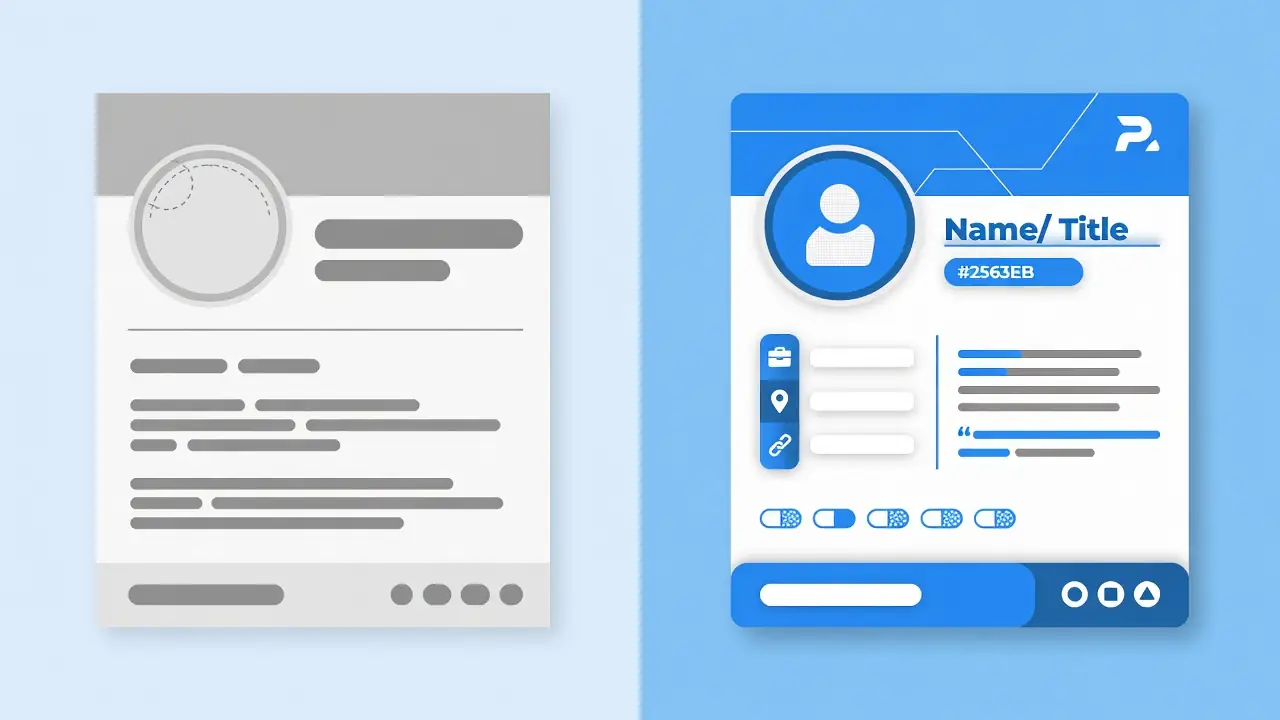
When a leader's public voice and the company's visual identity feel disconnected, it undermines both. The two should reinforce each other, not compete.
Employer branding and founder branding work best when the personal channel sounds like a human version of the same company story, not a separate personal hobby account that ignores the business. If your company promises rigor and clarity, your posts should look and sound rigorous and clear.
6. Design Matters More Than People Admit
A brilliant point of view delivered through a messy, inconsistent visual presence loses credibility fast. How a leader's content looks is part of whether people trust what it says.
Digital brand identity is not only a website problem. Profile photos, cover graphics, carousels, and thumbnail styles either reinforce corporate reputation or quietly erode it. Align personal surfaces with brand and website experience design so the leader and the company feel like one system, not two brands fighting for attention.
7. Protect the Brand Once It Exists
A personal brand, once built, needs the same consistency and quality control as any company brand, it's not a one-time project, it's an ongoing system.
That means guidelines for topics you won't comment on, a review path for sensitive posts, and a content pipeline that doesn't depend on one exhausted afternoon. Social media branding for leaders fails when volume spikes and standards drop. Protect the brand the same way you protect the logo: with process, not hope.
What This Means for Company Branding and Experience Design
A leader's personal brand and a company's brand system are no longer separate conversations. The same visual language, tone, and design discipline that make a website or app trustworthy should extend to how a founder or executive shows up personally.
Brands that treat these as one connected system, rather than marketing versus “just the CEO's LinkedIn”, build trust faster and more durably than either channel could alone. Experience design here means the full path: profile → content → company site → product or service. Breaks in that path create doubt even when the message is strong.
Teams that want leadership visibility without burning executive time often pair a clear brand system with social media systems for leadership visibility and AI-assisted content workflows that draft, adapt, and schedule without flattening the leader's voice into generic corporate speak.
Your 1-Week Personal Branding Checklist
Use this as a practical sprint, not a rebrand project that dies in a deck.
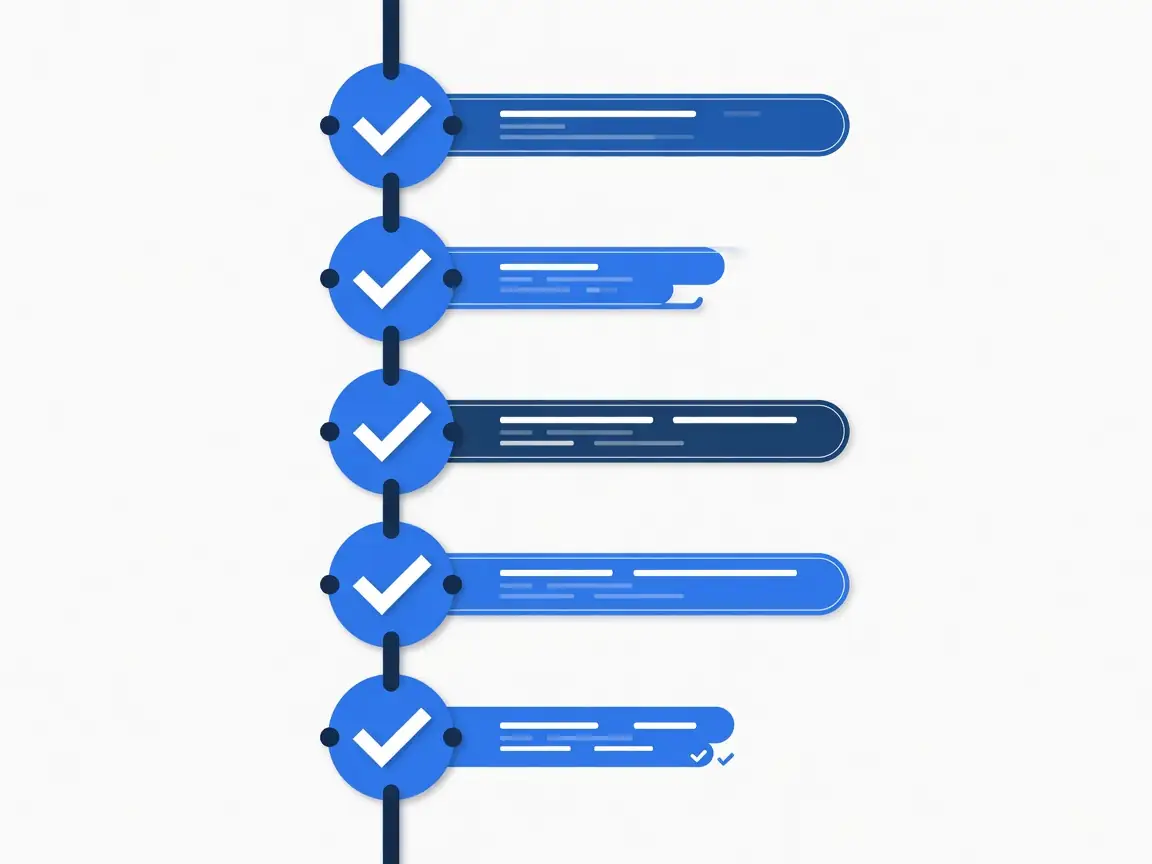
- Write down the one specific point of view you're known for (or want to be)
- Pick the single platform your real audience already uses
- Audit whether your personal visual presence matches your company's brand system
- Commit to a repeatable posting or content cadence, not a one-off push
- Decide what topics are worth a strong, specific opinion, and which aren't
If your brand, personal or company-wide, needs a visual and content system that actually holds together, that's the layer Short Stereo works on: brand and website experience design, social media systems built for consistent visibility, and AI-assisted content workflows that keep a leader's voice showing up without becoming a full-time job.
Conclusion
The fact that even oil and gas executives are being told to build a personal brand is a signal, not a fluke. Institutional trust alone no longer carries the weight it used to, audiences want to hear from people, not just companies.
Personal branding for executives works when it is treated as a designed, consistent system: a real point of view, a platform fit, visual discipline, and quality control after the first post lands. Leaders and businesses that do that, rather than occasional LinkedIn bursts, are the ones who convert visibility into trust, talent, and influence that actually scales.
How Short Stereo Helps Brands Apply This
At Short Stereo, we turn insights like these into design systems, digital experiences, and content workflows that stay on-brand, so strategy does not stop at the article.
Frequently Asked Questions
Is personal branding only for founders and CEOs?
No, any leader whose credibility affects customer trust, hiring, or partnerships benefits from a deliberate personal brand, regardless of title.
How is personal branding different from company branding?
Company branding represents the institution; personal branding represents an individual's voice and credibility. The strongest presences align the two rather than treating them as separate.
Do executives in traditional industries really need this?
Increasingly, yes. Even historically quiet sectors are seeing individual visibility become a trust and recruiting advantage, not just a marketing trend.
How long does it take to build a personal brand?
There's no fixed timeline, it depends on consistency and platform fit, but meaningful recognition typically builds over months of steady presence rather than a single campaign.