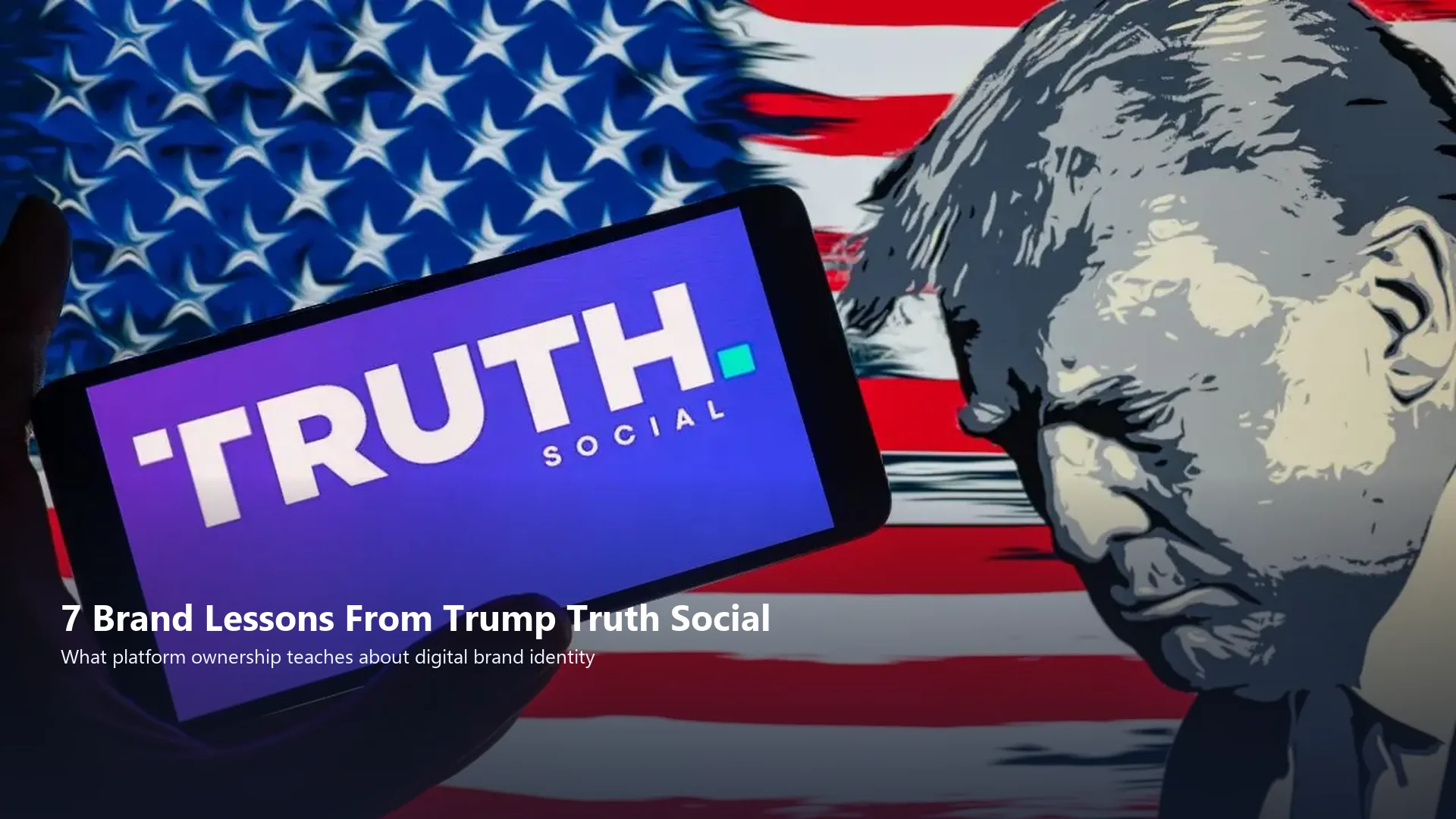
If you have typed trump truth social into Google lately, you are not alone. US search interest keeps clustering around the same questions: what the platform is, where Donald Trump posts, what the stock refers to, and what the latest Truth Social posts say. That curiosity is a branding and experience-design story as much as a news story.

This article reframes Trump Truth Social for founders, CMOs, and design leads: what an owned social channel teaches about digital brand identity, social media branding, and the business decisions that follow attention. Short Stereo works with brands on website design, social systems, video, and AI content when those pieces need to move together, but the first job here is extracting usable lessons from the trend itself.
What Is Trump Truth Social, and Why Are People Searching It?
Trump Truth Social is the social platform closely associated with Donald Trump and Trump Media & Technology Group. Searchers want definitions, the account, the DJT stock angle, and a feed of recent posts. For brand leaders, the deeper question is why an owned publishing channel still creates mainstream demand: control of voice, control of distribution, and a product that can become a news object on its own.
That combination changes customer expectations. People now assume important voices may bypass traditional intermediaries. Whether you agree with the politics or not, the experience pattern matters. Audiences learn that a brand can own the microphone. Your website, social profiles, and content system either keep up with that expectation or feel rented and slow.
1. Treat Owned Channels as Brand Infrastructure
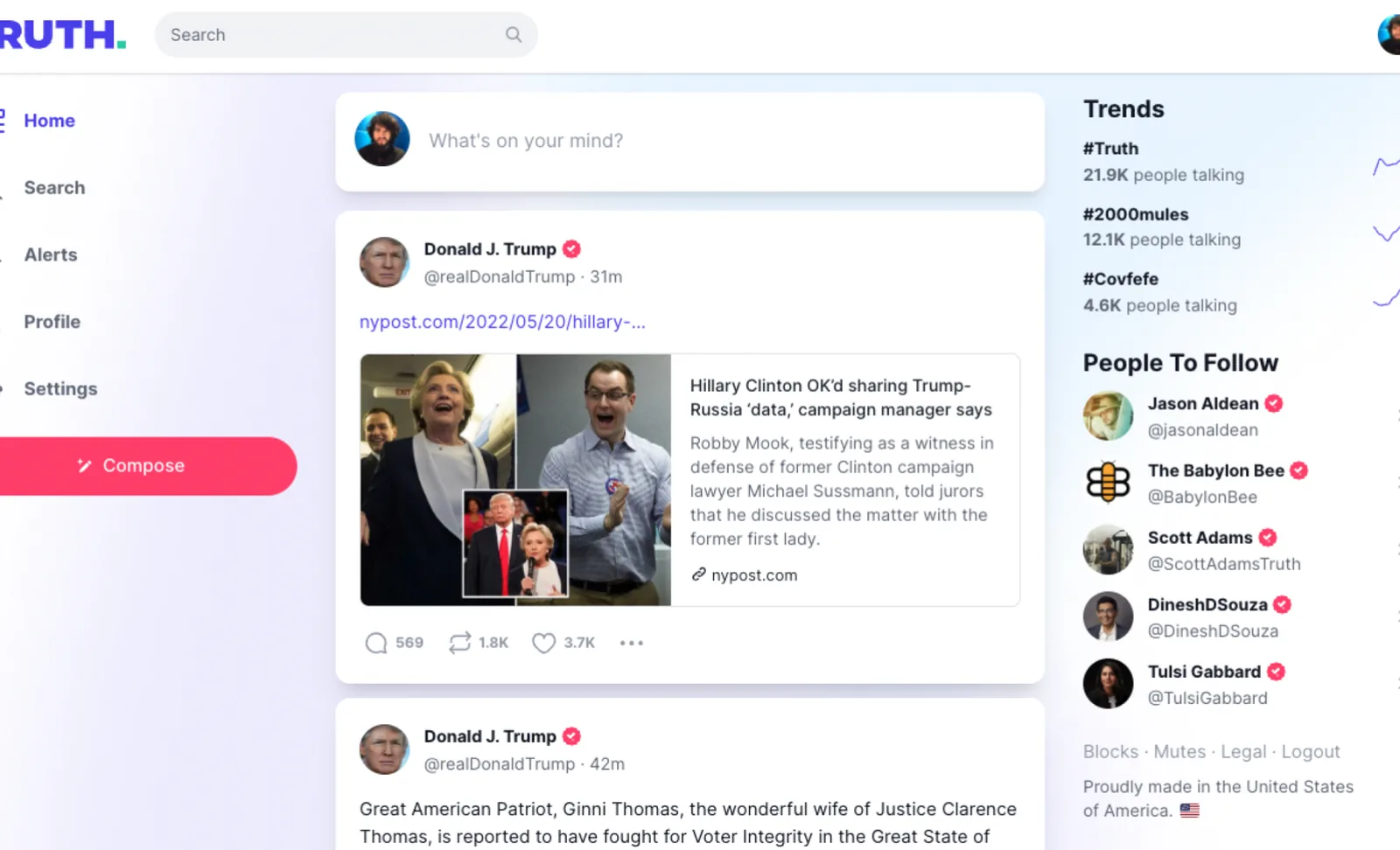
Truth Social's core promise is ownership of the publishing environment. Most companies still rely on borrowed channels. The lesson is not that every brand needs a private network. It is that distribution strategy is brand strategy. If Instagram, LinkedIn, or WhatsApp can change reach overnight, you need a home base that still explains who you are.
Practical move
Audit where your brand story lives when a platform algorithm shifts. Your site, email, and owned messaging should be able to carry the narrative without waiting for a feed to cooperate.
2. Make Identity Readable at Thumbnail Size
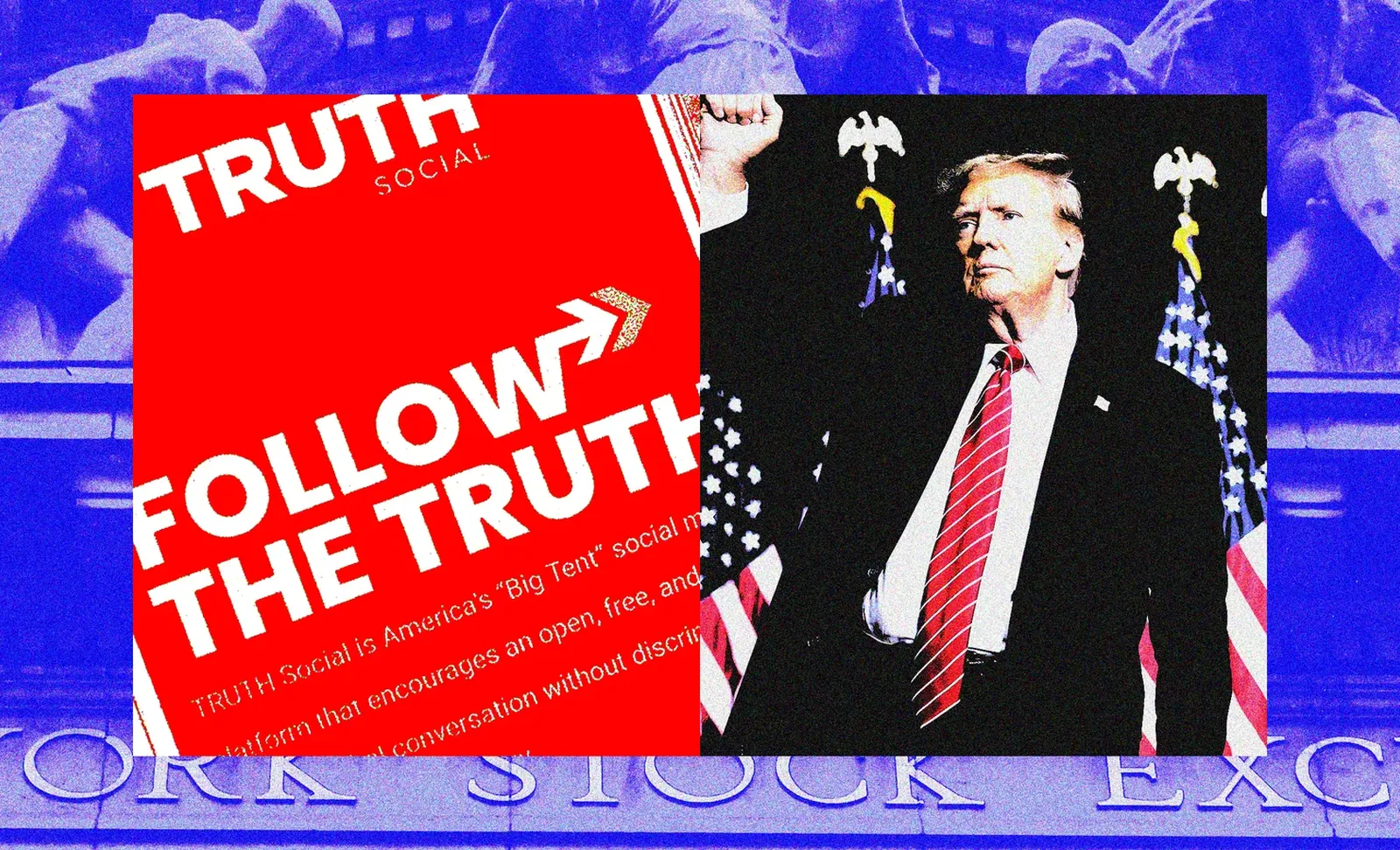
People searching Trump Truth Social often recognize the product through a simple mark, color system, and account pattern. In a crowded feed, recognition beats cleverness. Digital brand identity has to work at avatar size, first-frame size, and muted autoplay.
If your social creative changes personality every week, viewers relearn who you are before they hear the message. Lock color, type, end cards, and profile cues so the brand is obvious before the caption finishes loading.
3. Separate Attention From Voice Risk
One reason People Also Ask queries include specific posts, including searches about a Truth Social post involving Rob Reiner, is that a single high-reach message can dominate the brand narrative. For companies, that is a warning label. Virality without a voice framework creates reputation debt.
What brand teams should implement
- A written voice range: what you will say, what you will never say, and who approves exceptions
- A crisis and controversy checklist before publishing reactive posts
- A landing page that still explains the offer if the social conversation turns messy
Attention is not automatically brand equity. It becomes equity only when the next click confirms trust.
4. Align Website Experience With Social Promises
If a social platform trains users to expect direct, immediate communication, a slow or vague website feels broken by comparison. Experience design has to bridge the feed and the site. Headline clarity, mobile speed, and one primary CTA matter more after a trend spike than decorative homepage storytelling.
This is where website design services earn their keep: not as a brochure rewrite, but as the conversion layer for social curiosity. When people search trump truth social and then look at your category, they judge every brand by how quickly the destination makes sense.
5. Do Not Confuse Stock Curiosity With Brand Strategy
Queries about Trump's Truth Social stock show how financial narrative and product brand can fuse in public search. That fusion creates awareness, but awareness is not a roadmap. Your team still needs positioning, offer design, and a content system. Watching a ticker teach the market about a media company is interesting. Copying ticker-driven storytelling without a product promise is not a plan.
Use the lesson this way: if outsiders already attach a financial or cultural story to your category, your brand system must answer the customer question faster than the rumor cycle does.
6. Build a Response Playbook Before Posts Go Viral
People also ask what Trump's latest or most recent Truth Social posts are because the feed itself is the product. Brands in every industry face a softer version of the same demand: customers expect near-real-time updates. Without a playbook, teams either go silent or improvise badly.
- Define monitoring owners. Who watches mentions, search spikes, and competitor posts?
- Prewrite safe response frames. Clarification, correction, and redirect-to-offer templates.
- Choose one destination URL. Do not send viral traffic to three different pages.
- Review after every spike. Capture what worked in voice, creative, and conversion.
7. Connect Attention to One Clear Next Step
The final lesson from trump truth social search behavior is conversion design. People arrive with different intents: definition, account, stock, latest posts. Your brand traffic will also arrive with mixed intents. The fix is one clear next step per campaign, supported by consistent creative and a destination that matches the promise.
Pair social media branding with AI content workflows that stay on approved language so your team can respond faster without inventing a new voice every time a trend hits. Speed without identity control just scales confusion.

How Short Stereo Helps Brands Apply Platform-Era Lessons
After Google Trends resurfaces phrases like trump truth social, the brands that benefit are usually the ones that translate curiosity into systems: clearer websites, steadier social identity, and content operations that can move without losing voice. Short Stereo helps teams connect those pieces so attention becomes recognition, and recognition can become a next step.
Conclusion
Trump Truth Social is trending in search because people want a definition, an account, a stock explanation, and the latest posts. Brand leaders can use the same moment to tighten owned-channel thinking, thumbnail identity, voice risk controls, website alignment, and conversion design. None of these moves guarantee rankings, revenue, or reach. They improve the conditions under which attention can turn into trust. If you want help turning that playbook into design, social, and AI content execution, visit shortstereo.com.
Frequently Asked Questions
What is Trump Truth Social?
Trump Truth Social is the social media platform associated with Donald Trump and operated under Trump Media & Technology Group. People search the phrase to understand the product, the account, and why the brand keeps trending. For businesses, the useful takeaway is how an owned channel shapes voice, UX expectations, and attention. Teams that need help translating that into a clearer website and social system can start with brand-led experience design rather than copying political content.
What is Trump's Truth Social account?
Donald Trump's Truth Social account is his primary posting identity on the platform, often searched when people want the official handle or the latest posts. The brand lesson is simpler: one recognizable account, one consistent visual system, and a clear destination after the scroll. If your company still scatters identity across mismatched profiles, tighten the profile, visuals, and next step before you scale posting volume.
What is Trump's Truth Social stock?
Searches for Trump's Truth Social stock usually point to Trump Media & Technology Group, traded under the ticker DJT. Curiosity about the stock is not the same as a brand strategy. Treat ticker awareness as a reminder that public narratives can amplify a product brand quickly, then focus on what you control: product clarity, social systems, and a website that converts attention into inquiries.
What was Trump's Truth Social post about Rob Reiner?
People search this because a widely covered Truth Social post about filmmaker Rob Reiner drew intense attention and debate. This article does not replay that controversy as entertainment. The brand takeaway for companies is voice risk: high-reach posts can define your reputation faster than your homepage. Build a response and approval playbook before a post becomes the only story customers remember.
What is Donald Trump's social media platform?
Donald Trump's social media platform, commonly searched as Trump Truth Social or Truth Social, is positioned as an owned publishing channel rather than a rented audience on someone else's network. Brands studying that model should ask whether they need more ownership of distribution, better borrowed-channel design, or both. Practical next steps usually include stronger social media systems, cleaner website UX, and AI-assisted content workflows that stay on approved brand rules.