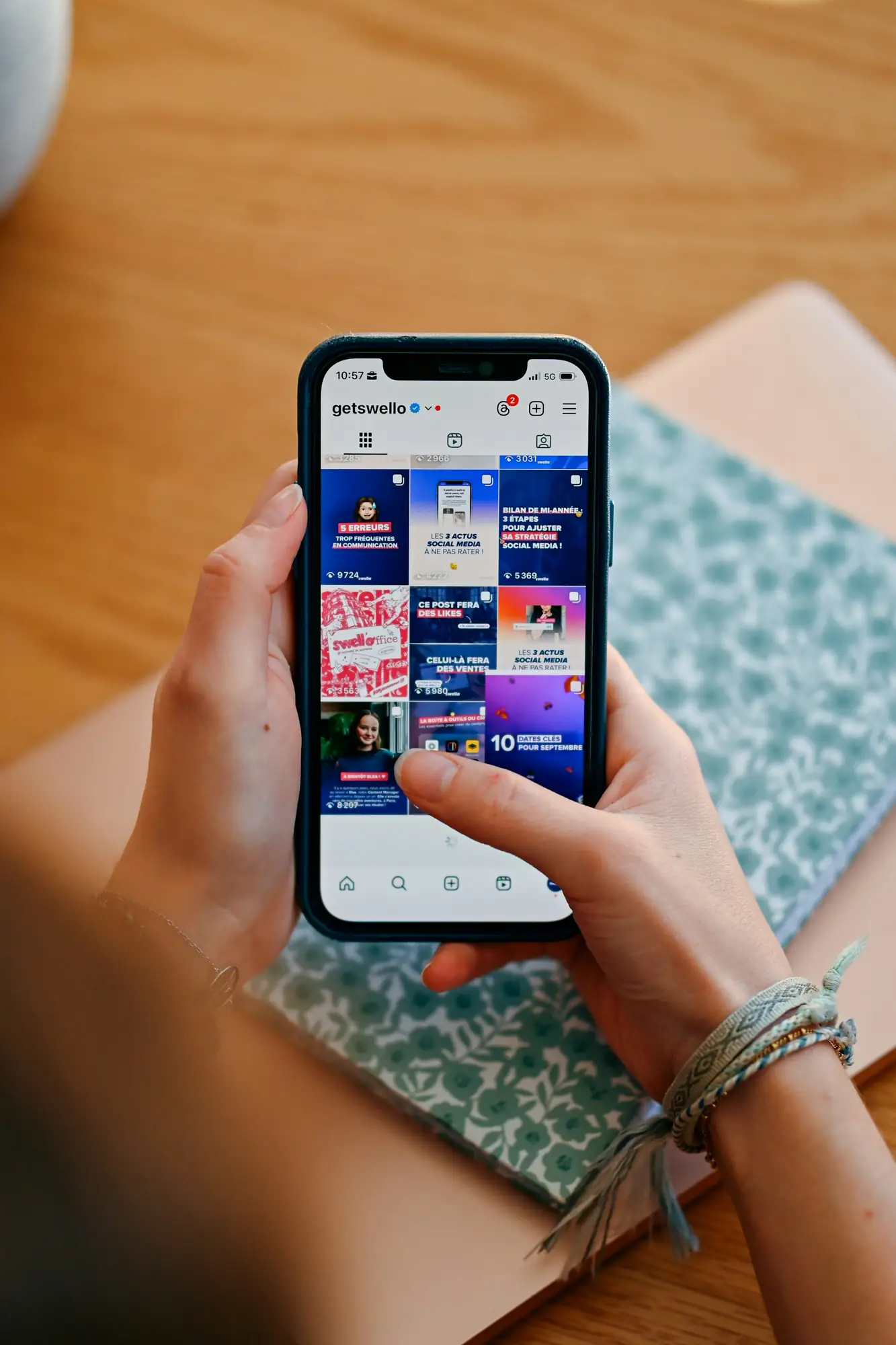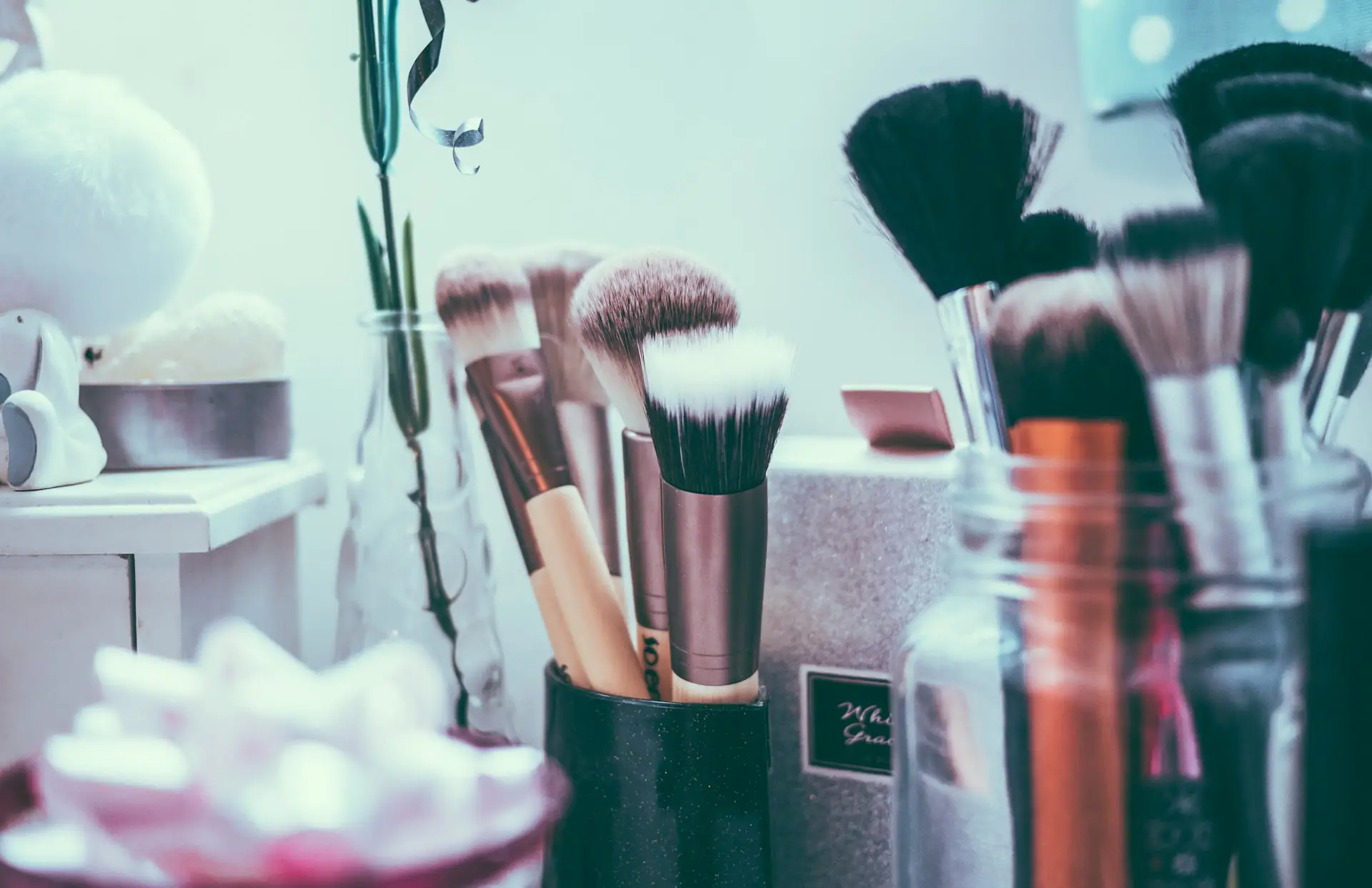
Your favorite beauty brands aren't just selling products anymore, they're making shows. The rise of beauty brands entertainment brands is one of the clearest branding trends in 2026: product catalogs are turning into story platforms, and ads are starting to feel like series pilots.
For founders, CMOs, and growth marketers, the question is not only "should we make a film?" It is whether your brand can earn attention the way entertainment companies do, then convert that attention without breaking the story.
Recent reporting, including coverage from Glossy, confirms what has been building for a while: beauty brands are producing original video series, short films, and story-driven content that looks more like a studio slate than a product catalog.
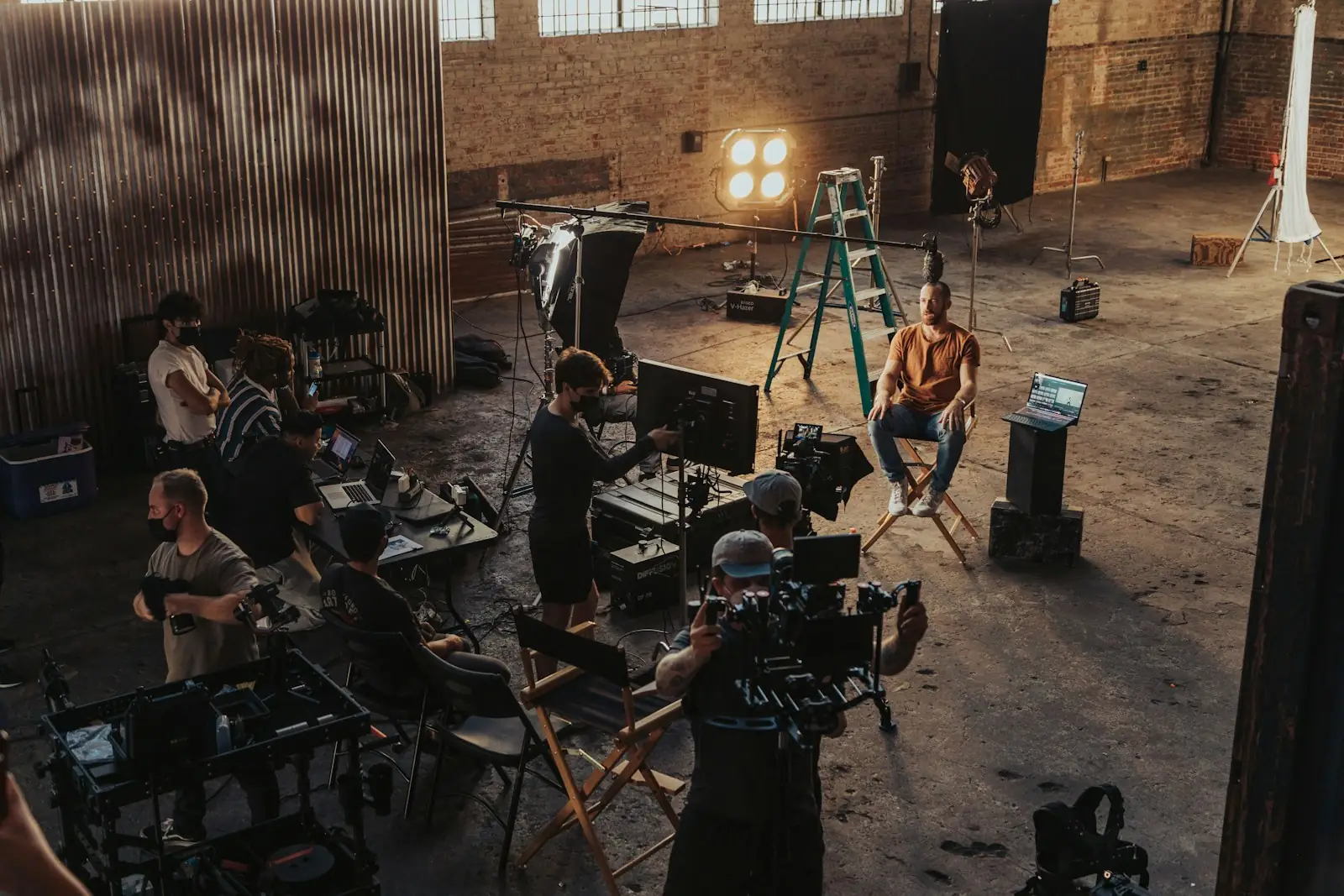
Here's what beauty brands becoming entertainment brands signals for branding, design, and business decisions, even outside the beauty industry.
Why Beauty Brands Are Turning Into Entertainment Companies
This is not a beauty-industry quirk. It is a preview of where brand marketing is headed across categories. When beauty brands start competing for attention the way entertainment companies do, they set a new bar that every brand, beauty or not, will eventually be measured against.
Beauty brand marketing used to win on product proof, packaging, and retail placement. Those still matter. But entertainment marketing explained in plain terms is simple: if people will not watch, they will not care enough to buy. Beauty industry trends now treat attention as a product of storytelling craft, not only media spend.
At Short Stereo, we work with brands trying to figure out exactly this: how to tell a story worth watching, not just a message worth reading.
1. Brands Like e.l.f. Beauty and Fenty Beauty Are Leading the Shift
Brands such as e.l.f. Beauty and Fenty Beauty have been early movers here, treating branded content less like advertising and more like original programming, built to be watched on its own merits, not just tolerated on the way to a product page. Rhode and other culture-forward labels sit in the same conversation: identity is the story, product is the proof.
That is why beauty brands entertainment brands is not a catchy contradiction. It is a category shift. The brands winning are building audiences first, then merchandising into that audience with a tone that already feels familiar.
What counts as "entertainment" for a brand today
It is content built around a story, character, or moment worth returning to, not just a product demo with a call-to-action bolted on the end. Entertainment marketing rewards return viewing, shareability, and emotional payoff. Product still appears, but it is not the only reason someone stays.
2. Attention Is the New Battleground, Not Just Product Quality
Consumers already have unlimited entertainment options competing for their time. Beauty brands making entertainment-style content are acknowledging a hard truth: a great product is not enough if nobody sticks around long enough to hear about it.
This is the deeper shift brand leaders should notice. The competition is not just other beauty brands anymore. It is every other piece of content fighting for the same few minutes of attention. Social media branding that only interrupts will keep losing to content that earns a watch.
Brand storytelling becomes a growth system when attention is treated as a scarce resource you protect, not a metric you rent once and forget.
3. Entertainment Content Changes What "On-Brand" Even Means
Visual and tonal consistency across formats becomes much harder, and much more important, when a brand is producing everything from short films to social clips to product pages. If the tone shifts wildly between formats, the brand starts to feel like several different companies wearing the same logo.

Visual and tonal consistency across formats
The brands managing this well treat digital brand identity as a system flexible enough to hold up across formats, not a fixed template. Color, type, photography style, casting, and voice rules need to travel from a 15-second clip to a longer story without breaking character. Experience design is the glue: every format should feel like the same world with different runtimes.
4. Your Website and App Need to Feel Like Part of the Story
If a brand's video content feels like a polished mini-series but its website still feels like a static catalog, the gap is jarring for anyone who clicks through. Customers arriving from entertainment-style content expect the same level of craft to continue. Beauty brand content strategy fails when the story ends at the last frame of the video.
If your team is producing stronger content than your website currently supports, close that gap with website design services and AI-assisted content workflows built to keep every touchpoint consistent as formats multiply.
5. Short-Form Video Is the Entry Point, Not the Ceiling
Most brands' entertainment ambitions start with short-form video, and that is a reasonable place to begin. But the beauty brands leading this trend treat short-form as a testing ground for bigger story ideas, not the final destination.
Use short clips to prove which characters, hooks, and tones people rewatch. Then expand winners into longer cuts, series chapters, or campaign films. Beauty brand marketing becomes efficient when short-form is R&D, not a permanent ceiling on ambition.
6. This Raises the Production Bar for Every Brand, Not Just Beauty
Once audiences get used to genuinely well-made branded content, lower-effort content starts to feel dated by comparison, regardless of industry. Beauty brands investing in entertainment-quality production are quietly resetting audience expectations for every category competing for the same attention.
That is branding strategy as market pressure: even B2B and lifestyle brands will feel the comparison when their feed sits next to story-first creative. Production craft becomes a competitive baseline, not a luxury line item.
7. Smaller Brands Can Borrow This Playbook Without Studio Budgets
None of this requires a studio budget to start. The underlying lesson, build one story worth watching, told consistently across formats, scales down as easily as it scales up. A smaller brand telling one strong story well will usually outperform a bigger brand spreading thin, generic content across every channel.
Start with constraints: one narrative, one visual system, one weekly publishing rhythm. Entertainment marketing at small scale is discipline, not Hollywood headcount.

A Practical Playbook From Short Stereo: Turning Your Brand Into a Content Studio
You do not need a production studio to apply this thinking. Use this practical starting sequence, the same systems lens Short Stereo uses when brand storytelling has to work across social, video, and site experience.
- Audit your content formats, pull everything your brand has published in the last quarter and check whether it feels like one consistent story or a scattered mix.
- Pick one story to tell well, resist covering every trend; choose a single narrative thread your brand can commit to.
- Match production quality to the platform, a short-form clip and a hero video do not need identical budgets, but both need to feel intentional, not rushed.
- Track attention, not just conversions, watch time, shares, and rewatches tell you whether the story is actually landing before the sales numbers do.
When you are ready to turn a single strong story into a full content strategy, pair the playbook with social media systems so publishing stays consistent under real growth pressure.
Explore more at shortstereo.com.
Conclusion
Beauty brands becoming entertainment brands is not a beauty-industry footnote. It is an early signal of where brand marketing is headed everywhere. Attention is the real competition now, and audiences are getting used to branded content that is actually worth watching.
The brands that treat storytelling as a discipline, not an afterthought, are the ones building real audience loyalty instead of just running ads. For beauty brands entertainment brands thinking, the next move is practical: audit your current content, pick one story worth telling well, and make sure every touchpoint, from video to website, feels like part of the same brand.
Frequently Asked Questions
Why are beauty brands making entertainment content now?
Reporting shows beauty brands are investing in original video series, short films, and story-driven content because consumer attention is increasingly won by entertainment quality, not just product messaging, pushing brands to compete more like studios than traditional advertisers.
Does a brand need a big budget to try entertainment-style content?
No, the underlying strategy of telling one consistent story well scales down to smaller budgets; what matters more than production spend is narrative consistency and knowing which single story is worth committing to.
How is entertainment content different from regular social media content?
Entertainment-style content is built around a story, character, or recurring moment designed to be watched for its own sake, rather than content built primarily to promote a specific product or drive an immediate click.
Should every brand try to become an entertainment brand?
Not necessarily in the literal sense of producing shows, but every brand can apply the underlying lesson: audiences respond to consistent, well-told stories more than to disconnected promotional content.
What's the first step for a brand wanting to try this approach?
Start by auditing existing content to see whether it reads as one consistent story across formats, then commit to a single narrative thread rather than spreading effort across too many disconnected ideas.