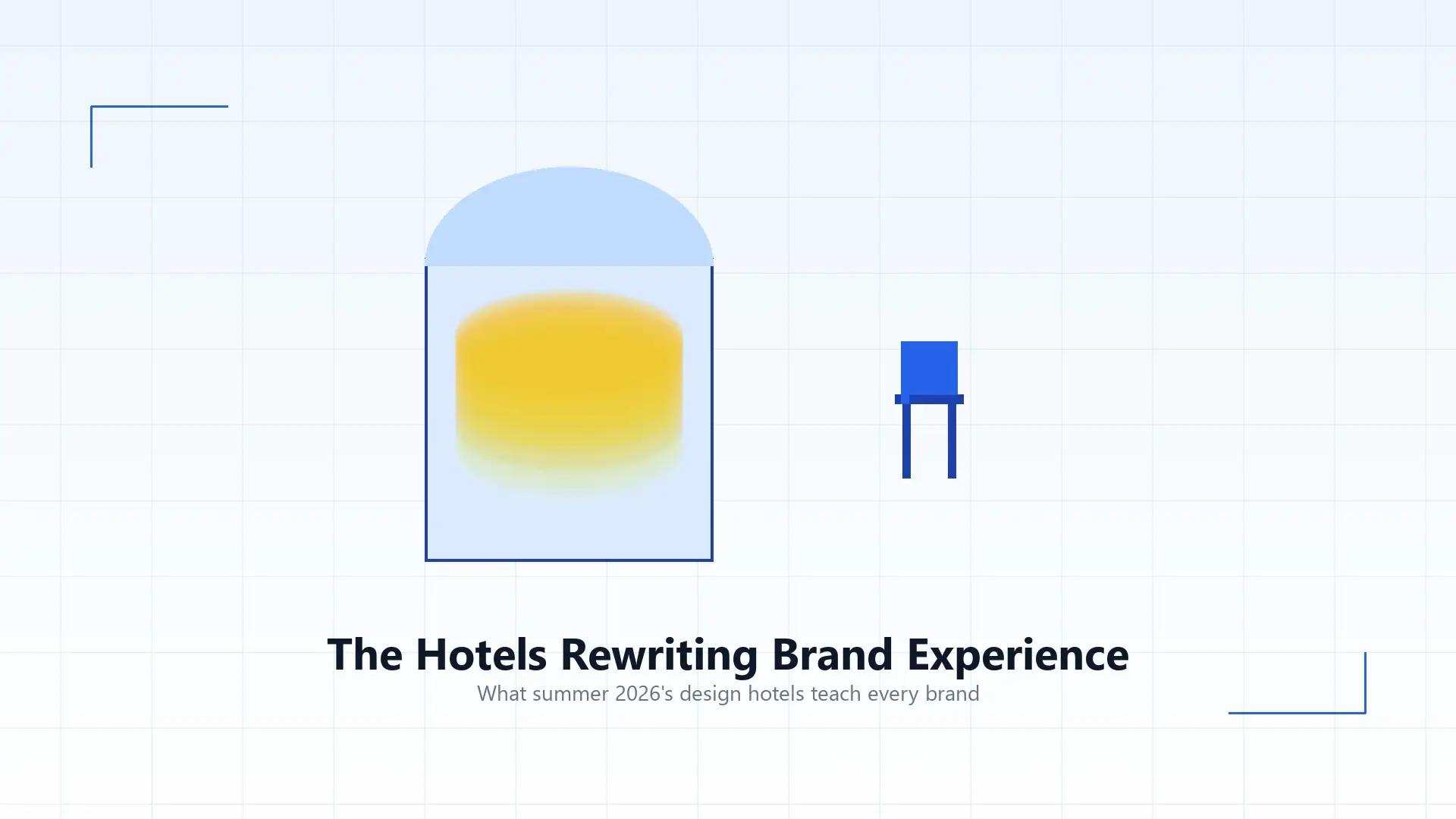
The best-performing hotels of the summer weren't the biggest, they were the most deliberately designed.
Forbes just published its list of the design hotels summer 2026 travelers couldn't stop talking about, booking, and photographing. On the surface, it's a travel story. Underneath, it's a brand experience story, and it applies to businesses that have never checked a guest into a room.
The hotels on that list didn't win on square footage or thread count. They won because every detail, lighting, materials, pacing, sound, was designed as part of a single, deliberate story. That's the same discipline any brand can apply to a website, a retail space, or a product unboxing.
Short Stereo spends most of its time helping growth-stage brands turn exactly this kind of experience thinking into working websites, content systems, and campaigns, which is why this trend is worth unpacking properly rather than treating it as a travel headline.
The News: Forbes Named the Design Hotels of Summer 2026
Search interest in design hotels spikes every summer, but 2026's version is different: it's less about aesthetics-as-luxury and more about aesthetics-as-storytelling. Travelers are searching for hotels the way they search for brands, looking for a coherent point of view, not just amenities.
That shift matters because it mirrors exactly what's happening in consumer brand behavior more broadly. People aren't just buying a product or booking a room; they're buying into a designed point of view. Brands that can't articulate one are starting to lose to brands that can.
Why Design Hotels Became a Trending Search Term This Summer
When a hospitality list starts reading like a brand strategy case study, marketers should pay attention. The properties travelers shared most weren't the ones with the biggest lobby; they were the ones with the clearest story, told through space, pace, and sensory detail.
That is why design hotels summer 2026 became more than a travel query. It became a shorthand for experiential brand design done with enough discipline that the PR almost writes itself.
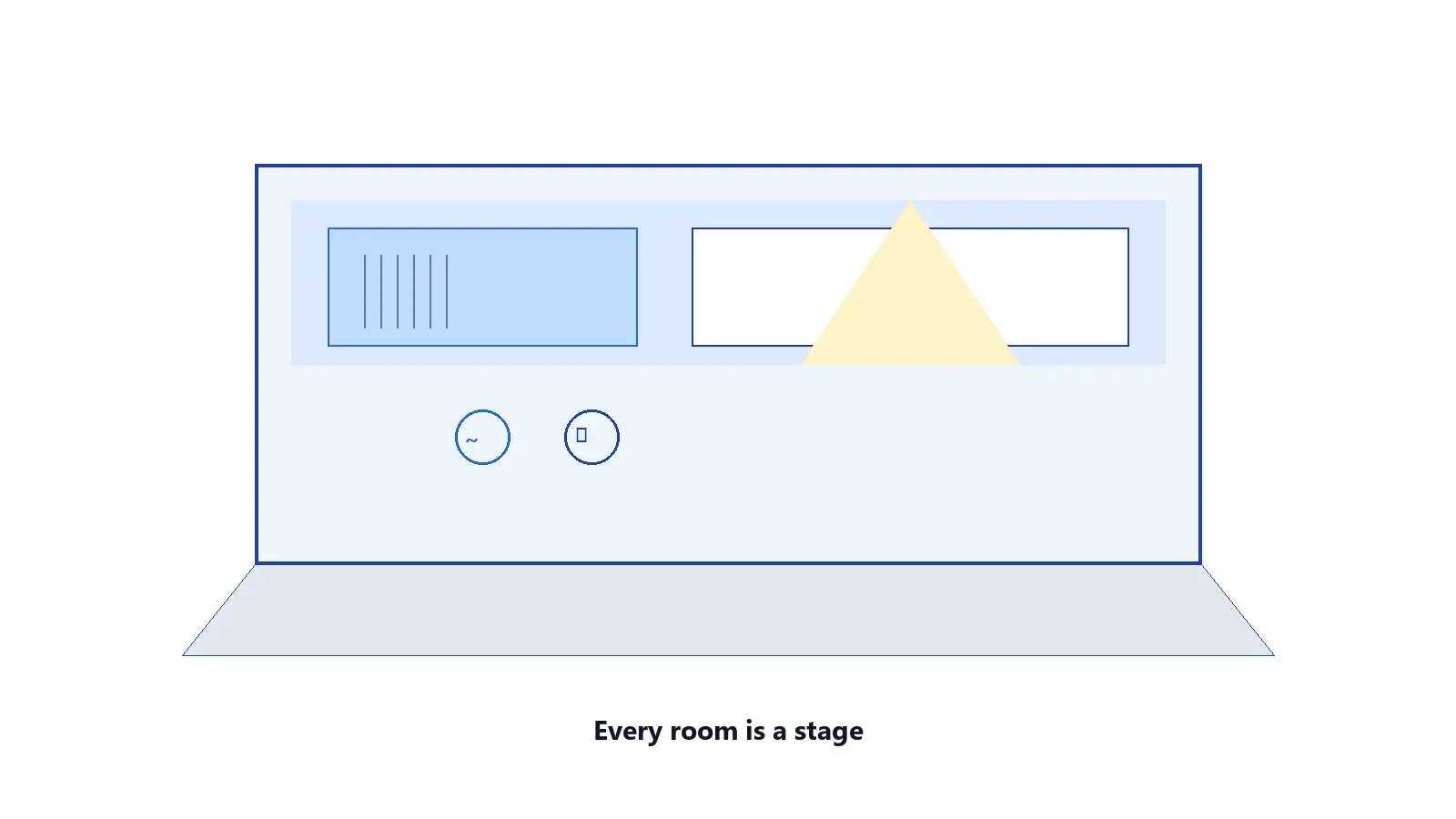
What Makes a Hotel a Design Hotel Anyway
Space as storytelling, not just décor
The defining trait across this year's list isn't a shared style, it's a shared discipline. Every material choice, every transition between spaces, and every piece of furniture supports one narrative rather than competing decorative ideas stacked on top of each other.
Sensory branding over signage
The strongest properties barely use logos at all. Instead, they build recognition through consistent lighting temperature, scent, sound, and material, a form of branding that works even with your eyes closed. That's a much harder standard than a consistent logo lockup, and a much more durable one.
The Guest Experience Shift Every Brand Should Notice
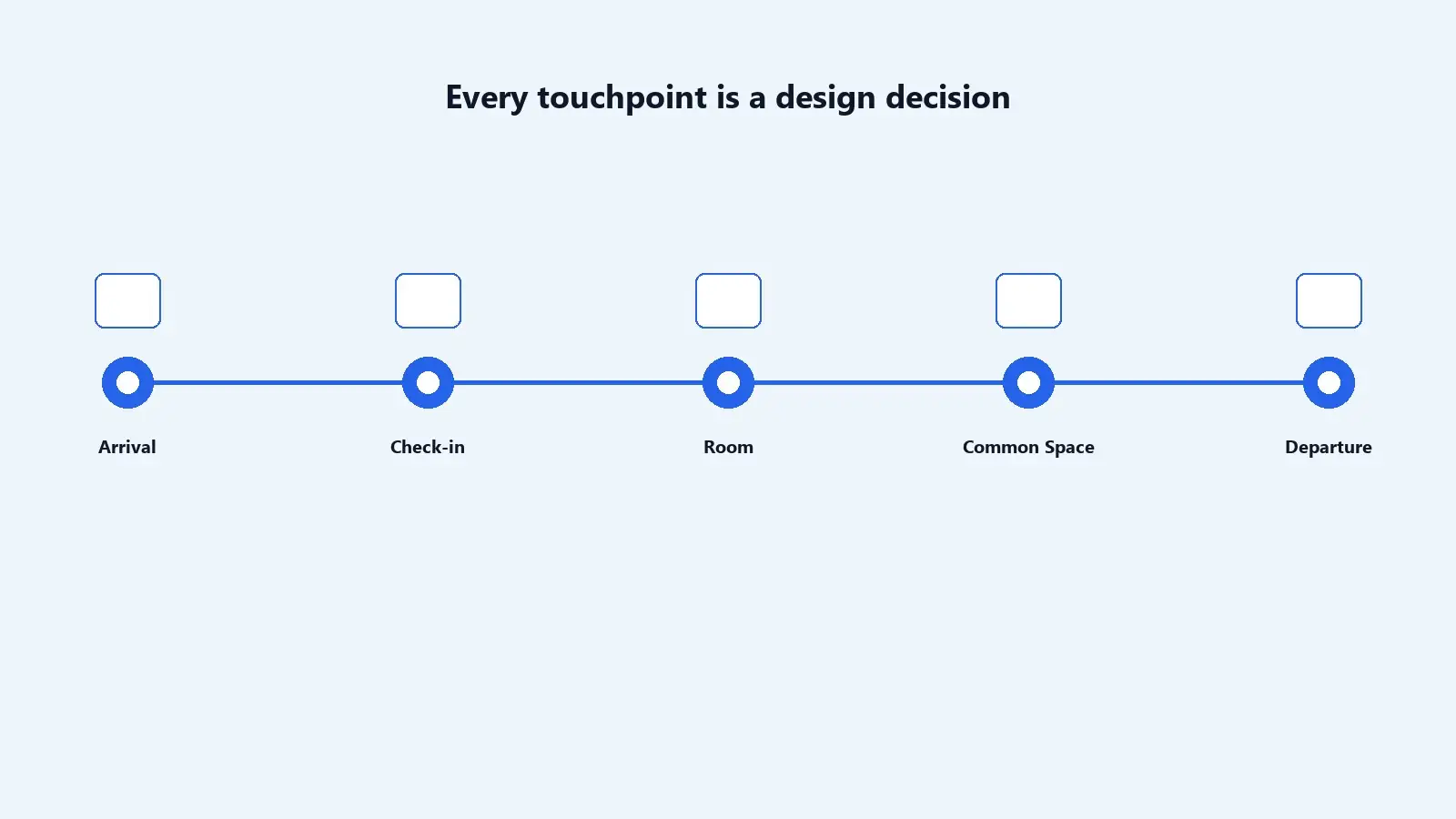
The properties defining this trend treat every stage of a guest's visit as a designed moment, not a logistics step. For brands outside hospitality, the parallel touchpoints are just as real:
- The first five seconds of a website load, mirroring a hotel's arrival moment
- Packaging and unboxing, mirroring a room reveal
- Customer support tone, mirroring how staff carry a brand's point of view
- App or checkout flow, mirroring how a guest moves through common spaces
Brands that design these moments deliberately are seeing measurably better retention and referral rates than brands that treat them as afterthoughts.
5 Brand Experience Design Lessons From 2026's Design Hotels
Lesson 1: Every touchpoint is a set piece
Nothing in a well-designed space is neutral. The same standard applies to every screen, package, and interaction a brand controls.
Lesson 2: Consistency of mood beats consistency of logo
A recognizable feeling is harder to copy than a recognizable mark, and far more valuable long-term.
Lesson 3: Local context is the differentiator, not luxury alone
The most talked-about properties leaned into specific place and culture rather than generic five-star tropes. Brands win the same way by leaning into what's actually true about them, not category clichés.
Lesson 4: Design-led hospitality drives its own PR
None of this year's standout hotels needed to buy their way onto “best of” lists. The design did the marketing.
Lesson 5: Experience design is now a growth channel
Word of mouth, social sharing, and repeat visits are all downstream of how deliberately an experience was designed, not how much was spent promoting it afterward.
Most brands trying to apply this start with their website, since it's the highest-traffic “arrival moment” they control. Short Stereo's brand-led website experiences are built specifically around this kind of experience-first rebuild.
What Brands Should Implement This Quarter
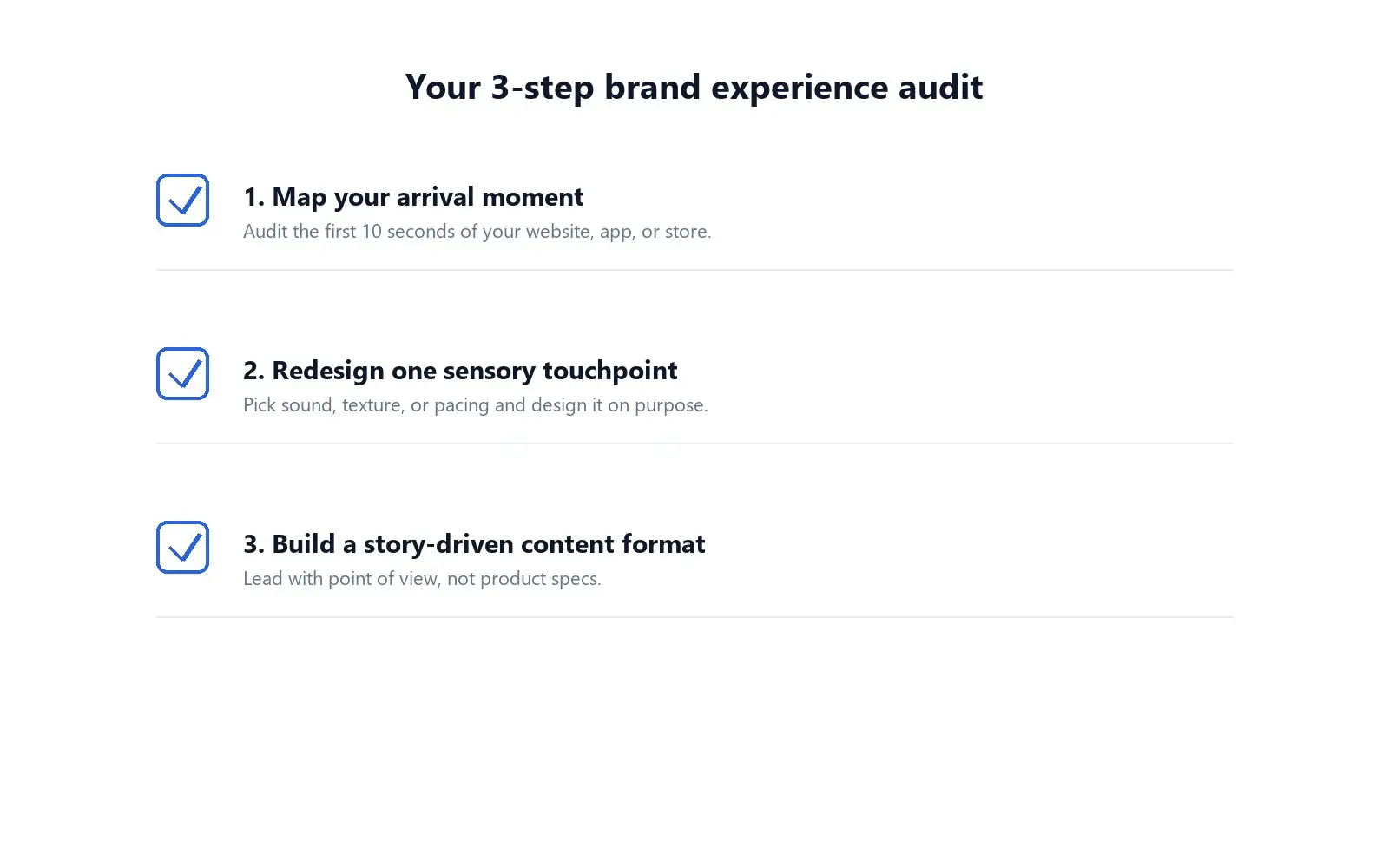
You don't need a hospitality budget to apply this thinking. Start with three moves:
- Map your brand's “arrival moment.” Identify the first 10 seconds a customer spends with your website, app, or store, and audit it as if it were a hotel lobby.
- Redesign one sensory touchpoint. Pick one underused sense, sound on your site, texture in packaging, pacing in your onboarding, and design it on purpose.
- Build a content format around your story, not your product spec. Design hotels get covered because of their point of view, not their amenities list; brand content should follow the same logic.
Consistency matters just as much across content as it does in a single moment, a strong arrival experience falls apart if your social presence doesn't reinforce the same tone. This is where social content systems built for brand consistency tend to close the gap fastest. Pair that with AI-assisted content and growth workflows so the system scales without drifting.
Where Most Brands Get This Wrong
The most common mistake is treating “experience design” as a decoration budget line rather than a strategic discipline owned at the leadership level. The hotels on this year's list didn't add design at the end, it was the starting brief. Brands that bolt experience design onto a finished product or website almost always produce something that looks designed but doesn't feel designed.
How Short Stereo Helps Brands Apply the Design Hotel Playbook
Short Stereo turns experience ambition into working systems: brand identity, websites, motion, and content that feel intentional from the first second. If your brand is ready to design its own “arrival moment” properly, start with Short Stereo's design and motion work, then pressure-test the experience across site, social, and launch content.
Conclusion: Design Hotels Summer 2026 Is an Experience Design Playbook
Forbes' list of the design hotels that defined summer 2026 reads like a travel story, but it's really a masterclass in experience design discipline, treating every touchpoint, sense, and transition as part of one deliberate story. That same discipline, applied to a website, a product unboxing, or a customer support flow, is what separates brands people remember from brands people merely use. The businesses that treat this as a playbook, not just a trend, will be the ones setting next summer's standard. If you're ready to tighten the system, talk to Short Stereo or explore website design built around brand experience.
Source note
For original reporting on the design hotels that defined summer 2026 (attribution only; no quoted text reproduced), see Forbes.
Frequently Asked Questions
What are "design hotels" and why are they trending in 2026?
Design hotels are properties built around a single deliberate design narrative rather than generic luxury amenities, and 2026's list, highlighted by Forbes, trended because travelers increasingly search for a coherent point of view, not just a place to stay.
Why does hotel design matter to non-hospitality brands?
The same principles, treating every touchpoint as a designed moment, building sensory consistency, and leaning into specific context over generic polish, apply directly to websites, packaging, and customer experience in any industry.
What's the fastest way to apply this to a website or app?
Start by auditing the first ten seconds of interaction, load time, first visual impression, and tone, the same way a hotel audits a guest's arrival moment.
Is this just a luxury-brand trend?
No. The underlying discipline, deliberate, consistent, context-driven design, scales down to brands of any size and budget; it's a mindset shift, not a spending threshold.