Design leadership hires say more about a brand's next move than any campaign does.
SKIMS has a new SKIMS Chief Design Officer, and the résumé is the story. The executive spent 22 years at Supreme, one of the most influential streetwear brands of the last three decades, before stepping into shapewear and loungewear. For anyone watching brand design closely, this isn't a routine hire. It's a signal about where SKIMS wants its visual identity, product experience, and cultural relevance to go next, and it's worth paying attention to if you run a brand of your own.
This kind of move happens more often than most marketers notice, and it usually predicts change long before a rebrand becomes public.
Short Stereo works with growth-stage brands on exactly this kind of transition, building design systems that hold up as a company scales. That context is useful here, because the SKIMS-Supreme story is really a case study in why design leadership decisions matter more than most founders assume.
The News: A 22-Year Supreme Veteran Now Runs Design at SKIMS
Chief Design Officer roles rarely make headlines. When they do, it's because the brand making the hire is signaling ambition beyond its current category. SKIMS built its name on solving a real problem, shapewear that actually fit real bodies, and grew into a billion-dollar business on that promise.
Pulling design leadership from Supreme, a brand built on scarcity, drop culture, and obsessive attention to detail, tells competitors and customers alike that SKIMS is thinking about brand experience the way a cultural brand does, not just a product company. That distinction changes everything from packaging to app design to how a “drop” gets announced.
Why This Hire Is Bigger Than a Résumé Line
A résumé line this sharp is rarely about filling a seat. It is about importing a design philosophy: fewer, more deliberate releases; packaging that works as media; and a visual system disciplined enough that community recognition compounds over years, not campaigns.
For founders, CMOs, and design leads, the takeaway is commercial. When a major DTC brand elevates design leadership this visibly, it is often preparing the next chapter of brand identity, not polishing the last one.
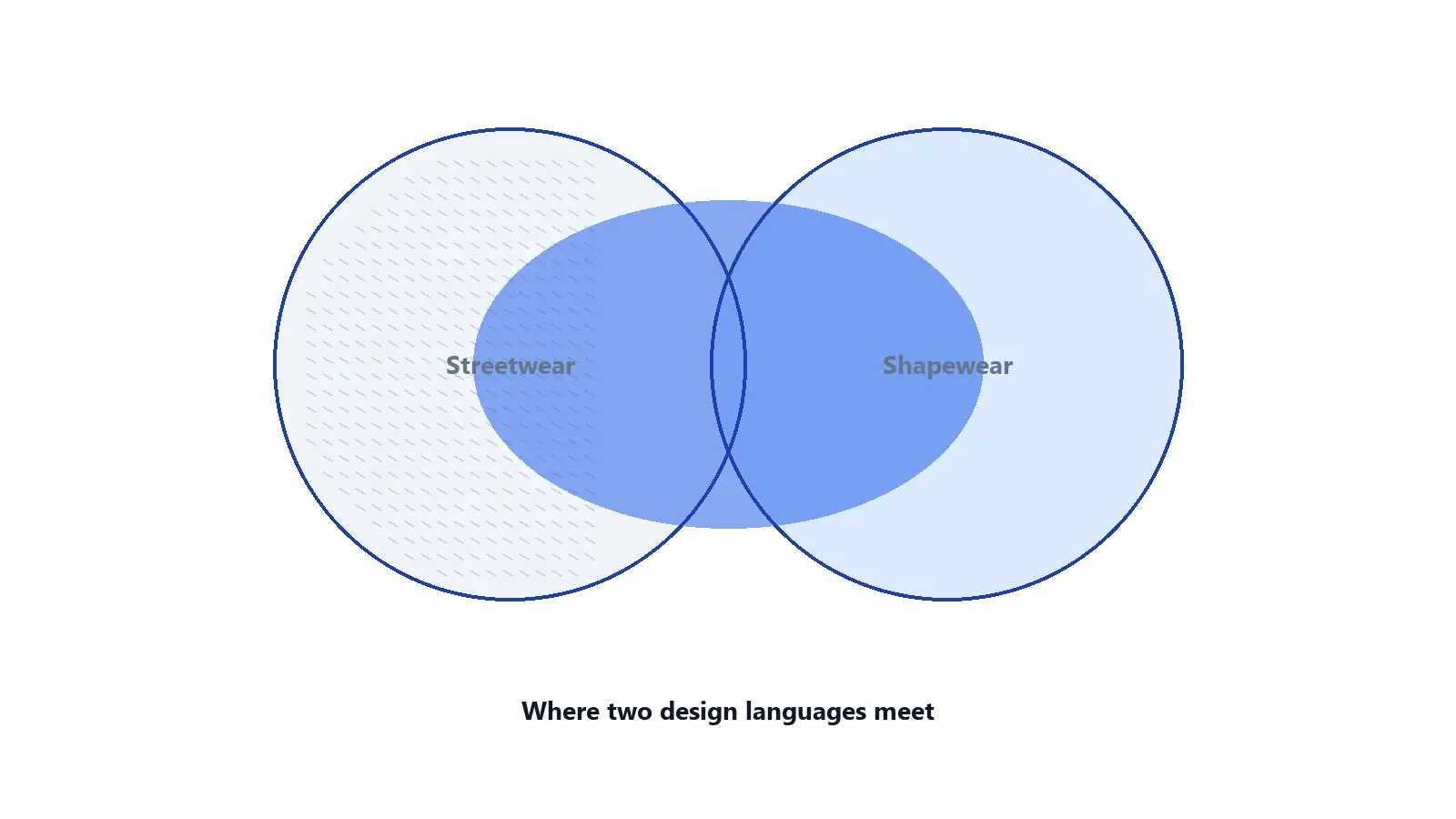
What Happens When Streetwear Logic Meets Shapewear Branding
Scarcity and drop culture, translated
Supreme's entire model is built on limited releases and lines around the block. Shapewear isn't sold the same way, but the underlying psychology (scarcity creates desire) translates cleanly into limited colorways, collaboration drops, and timed releases. Expect SKIMS to lean further into this.
Object-first design thinking
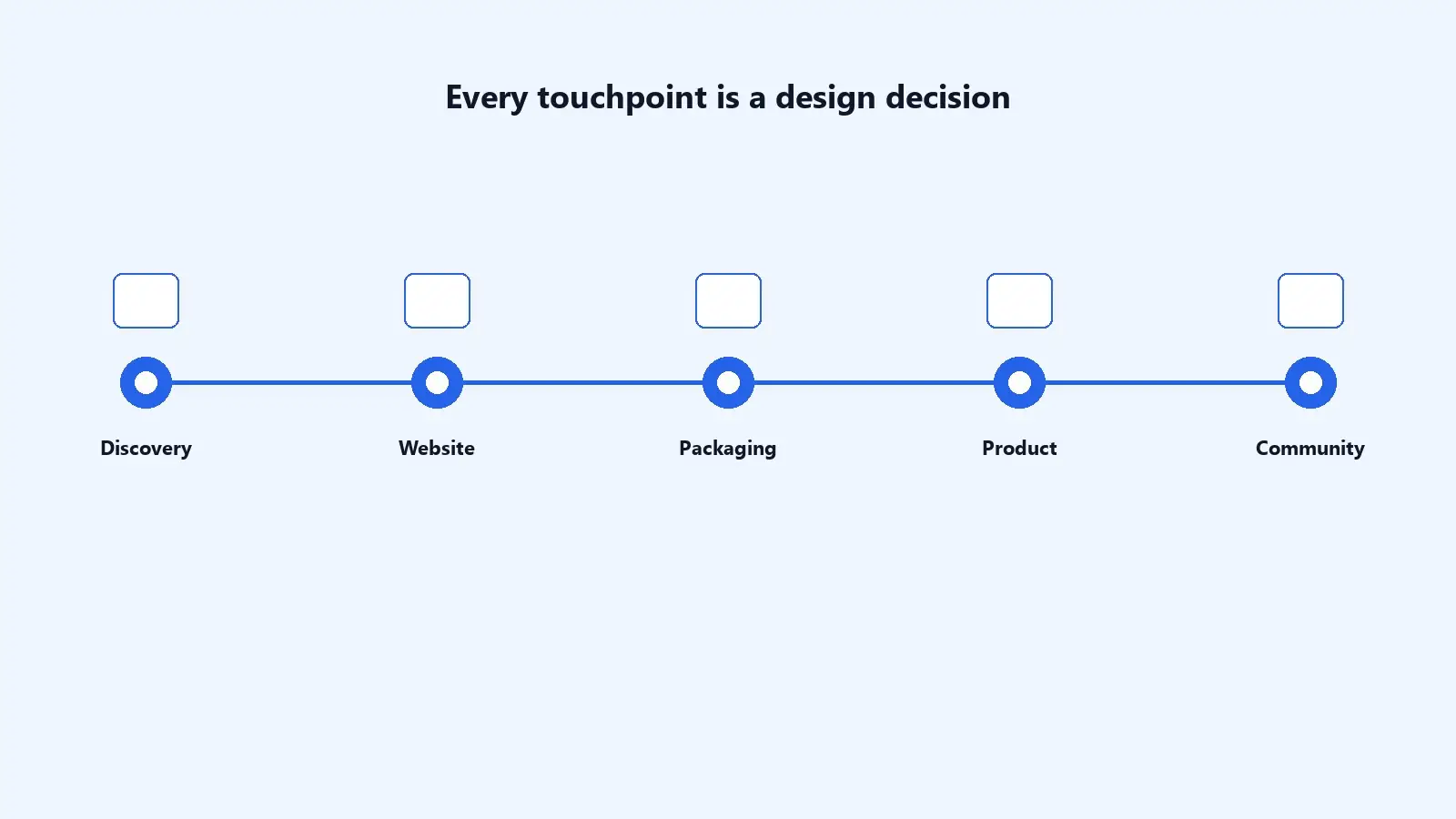
Streetwear design treats the product itself, stitching, packaging, tags, as part of the story. Bringing that discipline into shapewear means every unboxing, every product photo, and every fitting-room-style app experience becomes a brand touchpoint, not an afterthought.
The Consumer Experience Shift Brands Should Expect
When a brand hires design leadership from a completely different category, customers usually feel it before they can name it. Expect:
- Tighter, more consistent visual language across the website, app, and packaging
- Fewer but more deliberate product drops, each treated as an event
- Packaging and unboxing designed to be shared, not just functional
- A shift from “product marketing” to “brand storytelling” in social content
These shifts aren't cosmetic. They change conversion rates, repeat purchase behavior, and how much a brand can charge before a customer questions the price.
5 Brand & Visual System Lessons From the SKIMS-Supreme Playbook
Lesson 1: Design leadership is a growth lever, not a cost center
Brands that treat design as a late-stage polish step consistently lose to brands that treat it as a growth function from day one. The SKIMS Chief Design Officer hire puts that priority in public view.
Lesson 2: Consistency beats novelty
Supreme's box logo hasn't changed in decades. The discipline isn't in reinventing the identity, it's in never diluting it.
Lesson 3: Packaging and unboxing are brand touchpoints
The moment a customer opens a box is a design decision most brands still underinvest in.
Lesson 4: Community-first drops build more loyalty than ads
Scarcity and community both do more for retention than a paid media budget alone.
Lesson 5: Cross-category hires signal ambition
Bringing in leadership from outside your category is one of the clearest tells that a brand is preparing for its next phase.
Brands rebuilding their own visual systems around this kind of consistency often start with the website, since it's usually the most-visited and least-updated brand surface. Short Stereo's brand-led website experiences are built around exactly this kind of brand-first rebuild.
What Brands Should Implement This Quarter
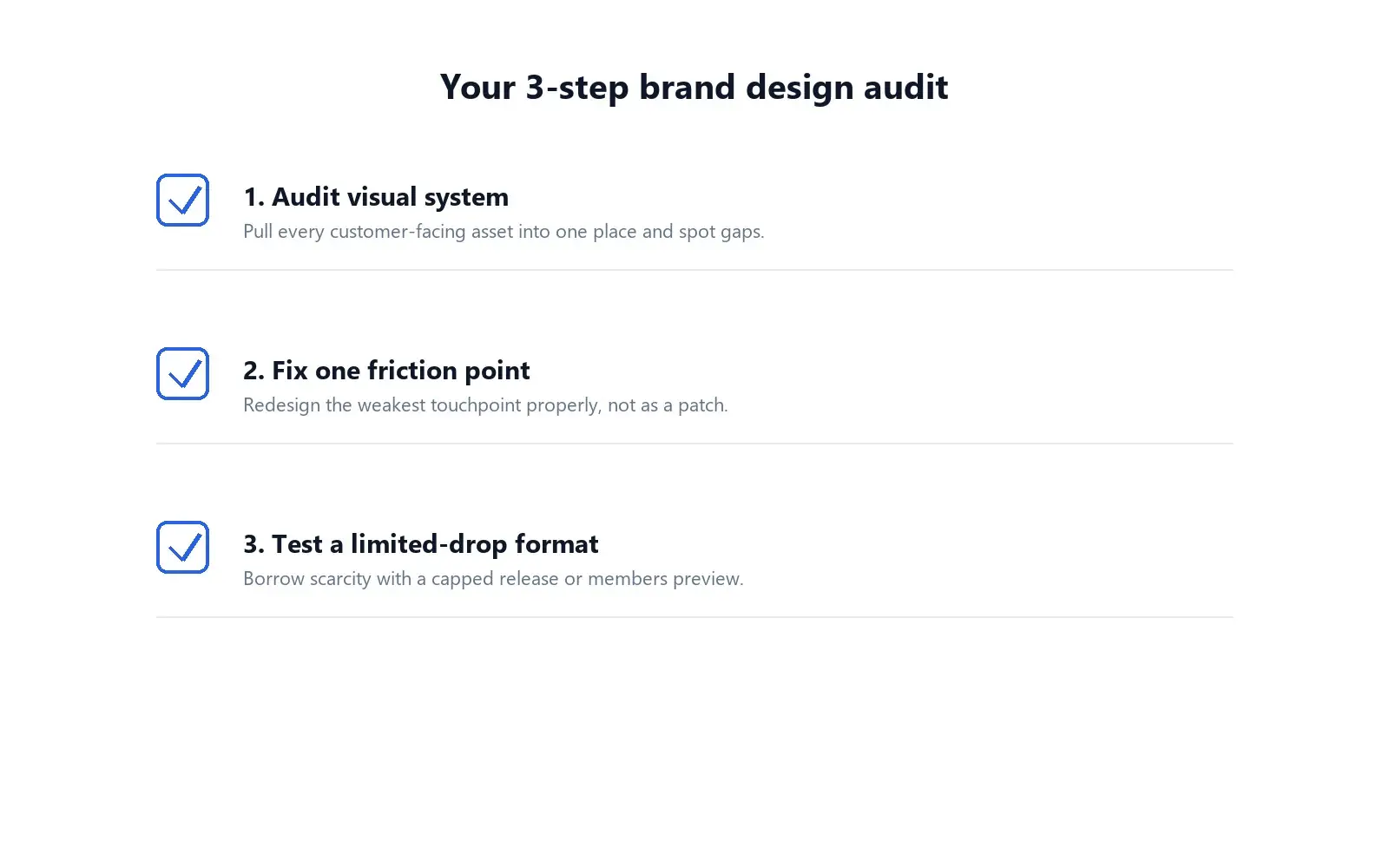
You don't need a Supreme-trained Chief Design Officer to apply the same thinking. Start smaller:
- Audit your visual system. Pull every customer-facing asset, website, packaging, social templates, emails, into one place and check for consistency gaps.
- Rebuild one high-friction customer touchpoint. Pick the single weakest part of your customer experience (often packaging or the website) and redesign it properly, rather than patching it.
- Test a limited-drop content format. Even non-fashion brands can borrow scarcity mechanics, a limited-time offer, a members-only preview, a capped release.
Consistent social execution matters here too, a strong visual system falls apart quickly if content teams aren't building from the same system. This is where social content systems built for brand consistency tend to make the biggest visible difference fastest. Pair that with AI-assisted content and growth workflows so the system scales without drifting.
Where Most Brands Get This Wrong
The most common mistake isn't underinvesting in design, it's treating design and marketing as separate departments that meet only at launch. The brands that pull off a SKIMS-style shift give design a seat early, not a review pass at the end. If your last three product launches were designed by marketing and “approved” by design, that's the gap to close first.
How Short Stereo Helps Brands Apply the SKIMS Playbook
Short Stereo turns leadership-level design ambition into working systems: brand identity, websites, motion, and content that stay consistent as you grow. If your brand is due for this kind of system-level rebuild, start with Short Stereo's design and motion work, then pressure-test the experience across site, social, and launch content.
Conclusion: The SKIMS Chief Design Officer Hire Is a Growth Signal
A single hiring headline, SKIMS pulling a 22-year Supreme veteran into its top design seat, is a useful reminder that brand identity decisions are business decisions. The shift from product-first to design-first thinking shows up in packaging, drops, websites, and every customer touchpoint in between. Brands that treat this as a trend to watch, rather than a playbook to apply, will spend the next two years catching up to competitors who moved first. If you're ready to tighten the system, talk to Short Stereo or explore website design built around brand consistency.
Source note
For original reporting on the SKIMS Chief Design Officer hire (attribution only; no quoted text reproduced), see Hypebeast.
Frequently Asked Questions
Who is SKIMS' new Chief Design Officer?
SKIMS named Erin Magee as its first Chief Design Officer. She spent 22 years at Supreme, most recently as chief creative officer, bringing streetwear-honed design discipline into the shapewear and loungewear category.
Why does a Chief Design Officer matter for a brand's growth?
Design leadership shapes everything from packaging to app experience to how products are launched, decisions that directly affect conversion, retention, and pricing power, not just aesthetics.
What can smaller brands learn from SKIMS and Supreme?
The core lessons, visual consistency, treating packaging as a brand touchpoint, and using scarcity thoughtfully, scale down to brands of any size, not just billion-dollar names.
Does a design leadership hire signal a rebrand?
Not always a full rebrand, but it typically signals a shift in how consistently and ambitiously a brand plans to show up across every customer touchpoint going forward.