Fast Company and AIGA just surveyed 1, 300 freelance designers on pay, AI, and pricing, here's what brands hiring design talent should take from it.
Fast Company's design pricing report, produced with AIGA as part of its Design Pricing Transparency Project, is one of the more useful pieces of data to come out of the creative industry this year. Rather than another opinion piece about AI and creativity, it's built on survey responses from nearly 1, 300 freelance designers, plus the companies that hire them, covering rates, project types, and how AI is reshaping the freelance design economy.
For brands, agencies, and anyone commissioning design work, that data matters more than it might first appear. Pricing confusion has always existed in creative services, but AI has now added a second layer of uncertainty on top of it, and this report is the first real attempt to measure both at once.
Short Stereo works across design, motion, and brand strategy for clients hiring both freelancers and agencies, and this kind of pricing transparency is genuinely useful, it gives buyers language for conversations that used to happen on gut feeling alone.
What Fast Company's Design Pricing Transparency Project Actually Found
1, 300 Freelance Designers, One Blunt Data Set
The survey ran over six weeks, gathering detail on day rates, project pricing, and how designers feel about the state of freelancing in 2026, not filtered through agency PR, but reported directly by the people doing the work. For anyone watching freelance design rates 2026, AI design pricing, and design pricing transparency, this is the kind of baseline data the industry has lacked.
The AI Divide Between Designers and the Brands That Hire Them
The most striking finding is a gap in perception: designers and the companies that hire them see AI's impact on creative quality very differently, and that gap is exactly where pricing disputes tend to start.
7 Things the Report Reveals About Design Pricing and AI
1. Most Designers Already Use AI, Whether They Trust It or Not
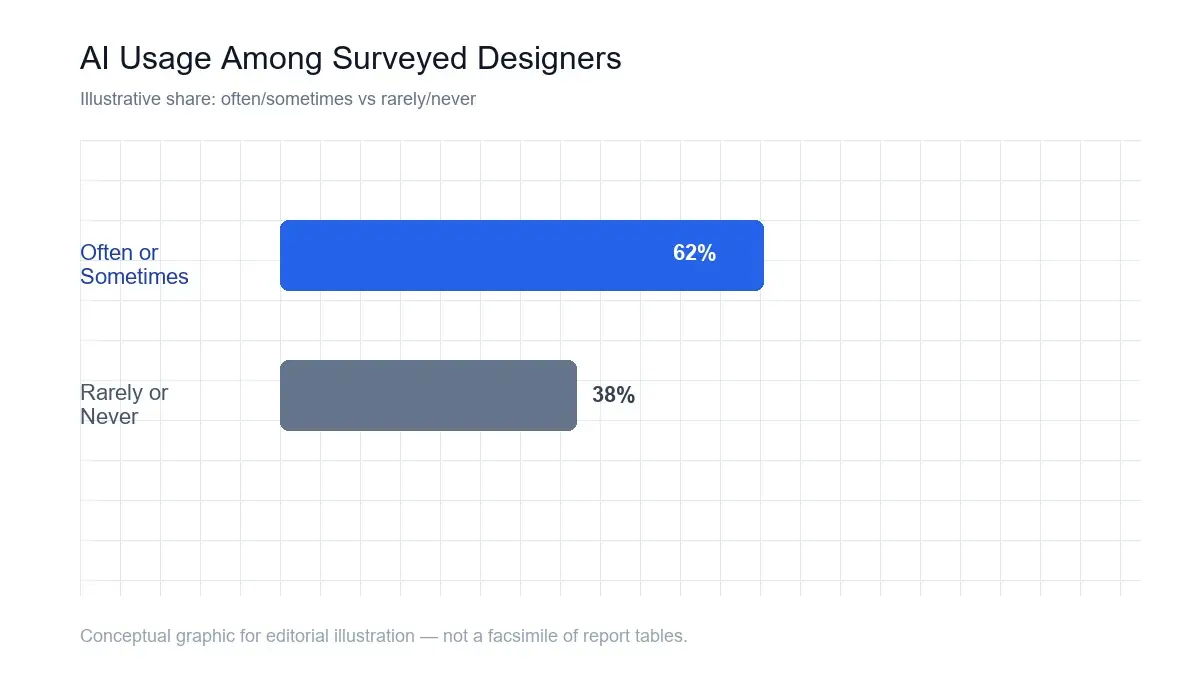
The majority of surveyed designers said they use AI tools often or sometimes in their workflow, most commonly for brainstorming and early copywriting, not final output. AI has become part of the process long before anyone agreed on how that should affect price.
2. Designers and Clients Disagree About What AI Is Doing to Quality
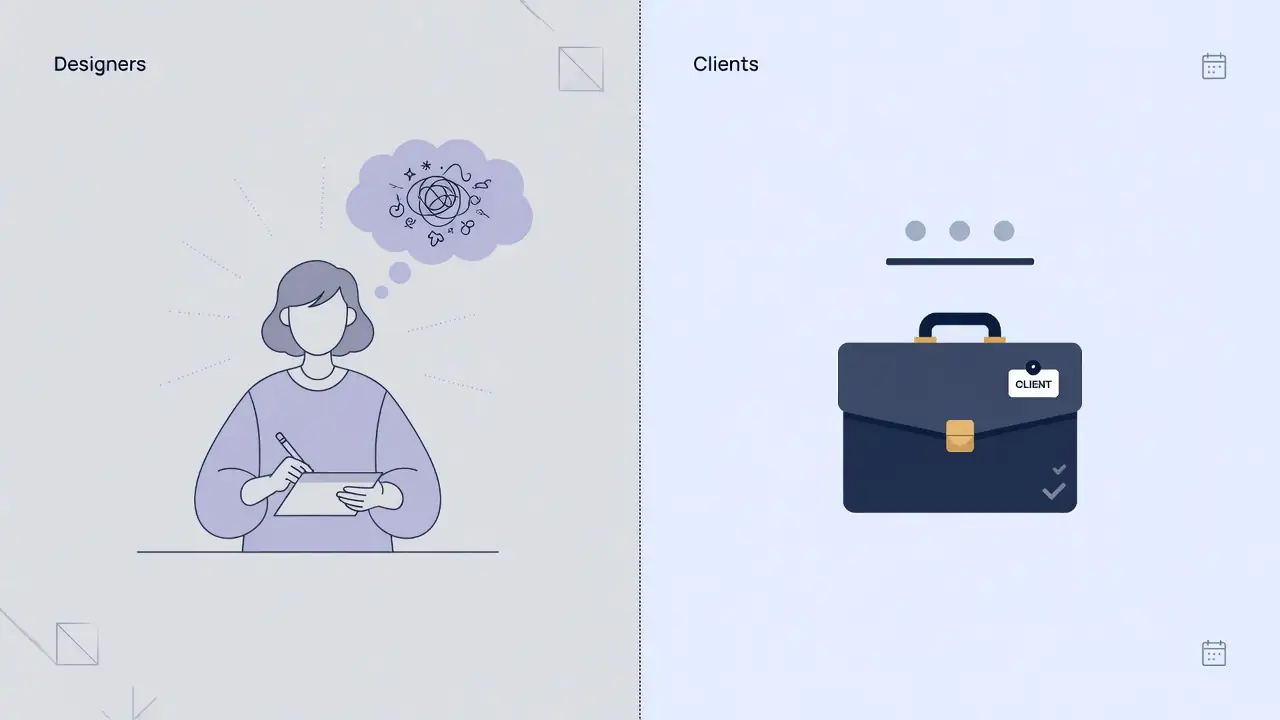
Most designers in the survey were worried about AI hurting the quality of creative work. Companies hiring them were considerably less concerned. That mismatch means a client and a designer can walk into the same project with completely different assumptions about value, a classic experience design trends problem dressed up as a budget argument.
3. Pricing Confusion Isn't New, AI Just Made It Louder
Freelance design has always lacked a shared pricing standard. AI didn't create that problem, but it did add a new variable, “how much of this was AI-assisted?”, that most rate cards were never built to answer. Digital brand identity pricing, UX pricing, and agency pricing all inherit the same ambiguity.
4. Transparency Is Becoming a Competitive Advantage
Projects like this one exist because designers and buyers were tired of guessing. Brands that are upfront about budget ranges and scope expectations are increasingly the ones attracting stronger design talent, not the ones hiding the number until the last call.
5. Brands That Hire on Price Alone Will Feel This First
As AI usage becomes normal, the cheapest bid and the most strategically valuable bid will look more similar on the surface. Brands optimizing purely for lowest cost are the most exposed to disappointing outcomes, especially when branding strategy AI work requires judgment, not just generation speed.
6. AI Fluency Is Becoming Part of a Designer's Rate Card
Designers who can direct AI tools well, and still apply craft and judgment on top, are starting to price that skill separately, not as a discount for “using a shortcut, ” but as an added capability.
7. The Brands Getting Ahead Are Buying Outcomes, Not Hours
The clearest signal in the data is that pricing conversations are shifting from time-based to outcome-based. Brands that define the actual business result they need get better proposals, and fairer prices, than those still asking “what's your day rate?”
If you're building campaigns and content systems where AI is part of the craft, not a black box, explore our AI content and growth approach, and keep product and brand UX coherent with website design services.
What This Means for Your Brand's Design Budget
If your brand hires freelance designers, an agency, or both, this report is a useful budget-planning signal. AI hasn't made design cheaper across the board, and it hasn't made pricing simpler either, it's made the conversation about value more important than the conversation about hours. Brands that build clear scopes, name their real deliverables, and stay transparent about budget will consistently get better design work, at fairer prices, than brands still pricing by guesswork.
The same discipline applies beyond freelancers: when design, content, and channels move together, pricing clarity becomes a brand advantage. Pair creative scopes with coherent social media systems so the experience stays consistent from brief to launch.
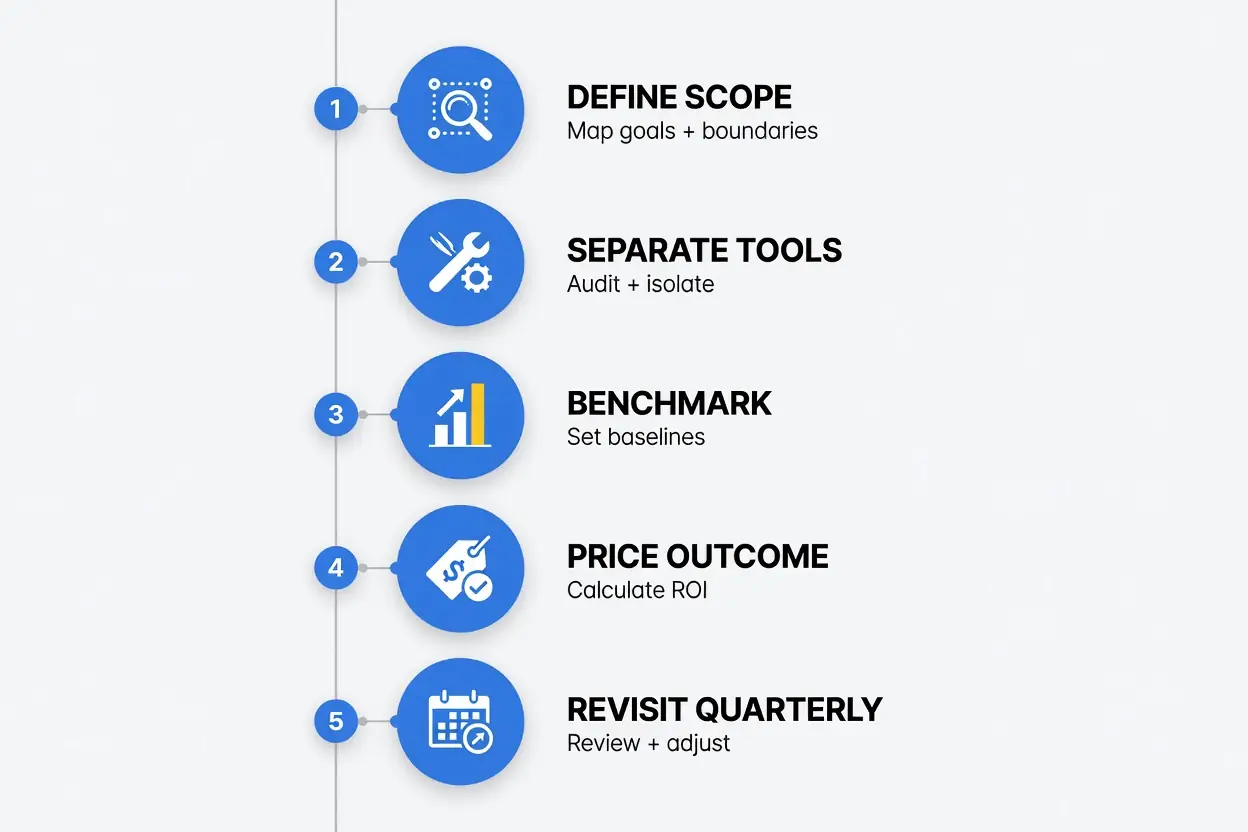
A Quick Playbook: Pricing Design Work Fairly in the AI Era
- Define Scope, Write down the actual deliverable and business outcome you need, not just “a logo” or “a website.”
- Separate AI from Craft, Ask directly how AI fits into a designer's or agency's process, and price the human judgment layered on top of it.
- Benchmark Fairly, Use reports like this one, rather than the lowest quote you've received, as your pricing reference point.
- Price the Outcome, Shift briefs from “how many hours” to “what result do we need, ” and let proposals reflect that.
- Revisit Quarterly, AI tools and pricing norms are moving fast enough that a rate agreed six months ago may already be out of date.
Conclusion: Pricing Design Work Fairly Is a Brand Decision Now
Fast Company's design pricing report is a rare piece of real data in a conversation usually driven by opinion, and its core message is simple: AI is changing how design gets made, but it hasn't settled how design should be priced. Brands that treat pricing transparency and clear scoping as part of their design strategy, not just a budgeting exercise, will consistently attract stronger creative partners. If you're rethinking how your brand briefs, scopes, or budgets design work, explore Short Stereo's design and brand strategy work or visit shortstereo.com to talk it through.
Source note
For the original Design Pricing Transparency Project coverage from Fast Company and AIGA (attribution only; no quoted text reproduced), see Fast Company's design industry reporting.
How Short Stereo Helps Brands Apply This
At Short Stereo, we turn insights like these into design systems, digital experiences, and content workflows that stay on-brand, so strategy does not stop at the article.
Frequently Asked Questions
What is the Design Pricing Transparency Project?
It's a joint initiative from Fast Company and AIGA that surveyed nearly 1, 300 freelance designers and the companies that hire them, to build a data-driven picture of design pricing and how AI is affecting it.
How is AI changing design pricing?
AI hasn't lowered prices uniformly, instead, it's shifting how work is valued, with more designers pricing their judgment and direction of AI tools as a distinct skill rather than a shortcut.
Should brands pay less for AI-assisted design work?
Not necessarily. The report suggests the more useful question is what outcome the work delivers, not whether AI was involved in part of the process.
How can a brand find design pricing that's actually fair?
Defining clear scope, being transparent about budget upfront, and pricing based on the business outcome tends to produce fairer results than comparing hourly rates alone.