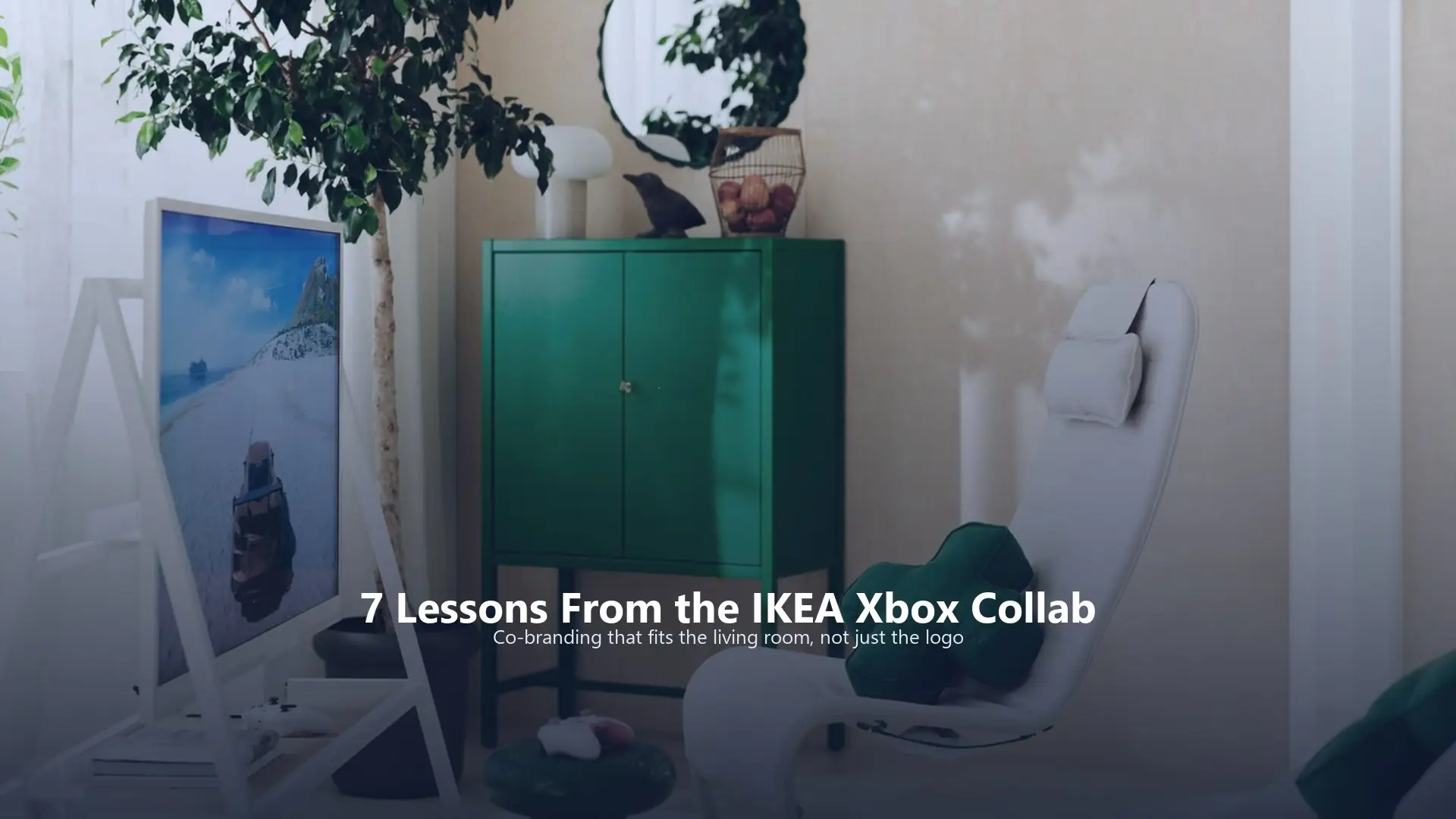
Most brand partnerships look loud for a week and then vanish into a discount bin. The new IKEA Xbox collab aims for something harder: furniture that can host a Gamescom-worthy reveal and still behave like something you would keep beside a sofa on a Tuesday. Unveiled as the nine-piece YXSTABY collection, the line turns gaming gear storage, seating, and controller motifs into home products meant to roll out for play and roll away afterward.
For founders, CMOs, and design leads, this is not only a gaming furniture drop. It is a live case study in co-branding, experience design, and retail storytelling. Below are seven brand design lessons from the IKEA Xbox furniture collab you can apply to partnerships, product pages, and living-room-adjacent digital experiences. The through-line is simple: famous brands win when the collab improves daily life, not when it only improves the press release.

Teams that ship partnership campaigns already know the gap between a clever announcement and a product people keep. Website design services matter here because the collab story has to hold on product pages, lookbooks, and post-purchase content, not only on stage at Gamescom.
Why the IKEA Xbox Collab Is a Brand Design Story
IKEA brings decades of life-at-home design. Xbox brings 25 years of how people actually play. The official newsroom framing is clear: gaming now moves room to room, sits beside homework and dinner, and has to feel welcome when the match ends. That is branding strategy dressed as furniture. Design trends are shifting away from sealed-off gaming caves and toward products that can live in mixed-use spaces.
Xbox design leaders have even said IKEA's Billy bookcase became a quiet test object for console form. The partnership did not appear from nowhere. It came from overlapping design philosophies, then a concrete collection people can buy from October 2026 in many markets.
That origin story is useful for brand teams chasing "collab energy." The best partnerships often start years earlier as shared design constraints, not as a last-minute media opportunity. If your brand cannot name the constraint you share with a partner, you probably do not have a collab yet. You have a logo mashup.
What Consumers Actually Get From YXSTABY
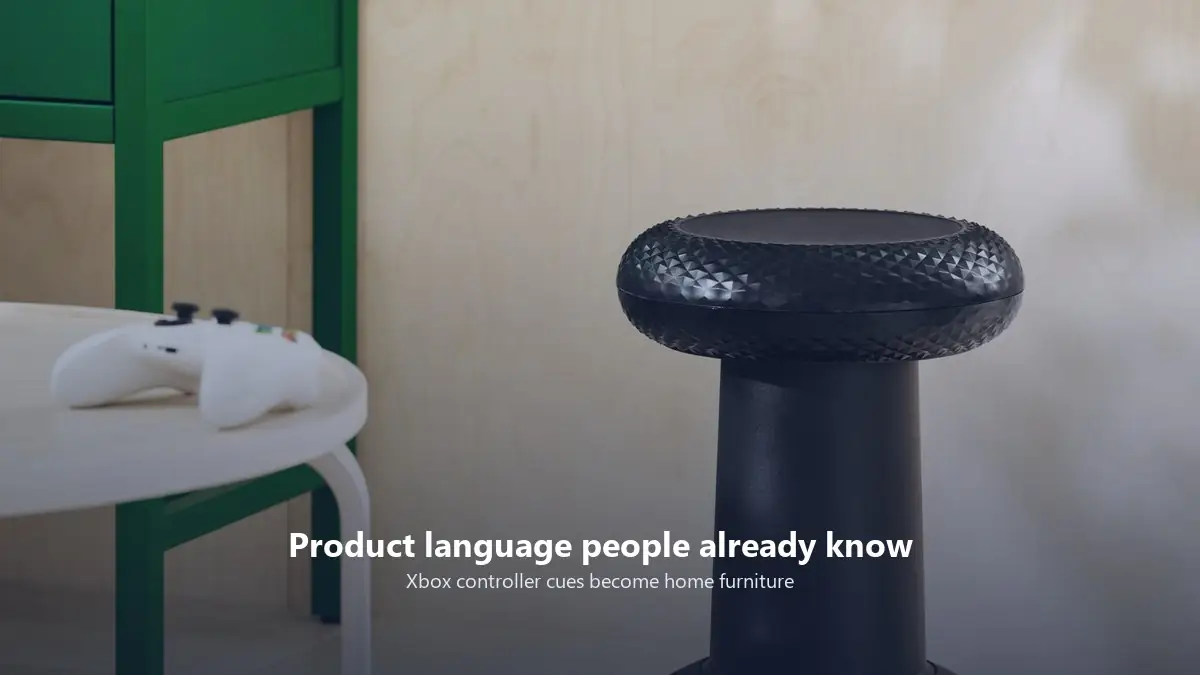
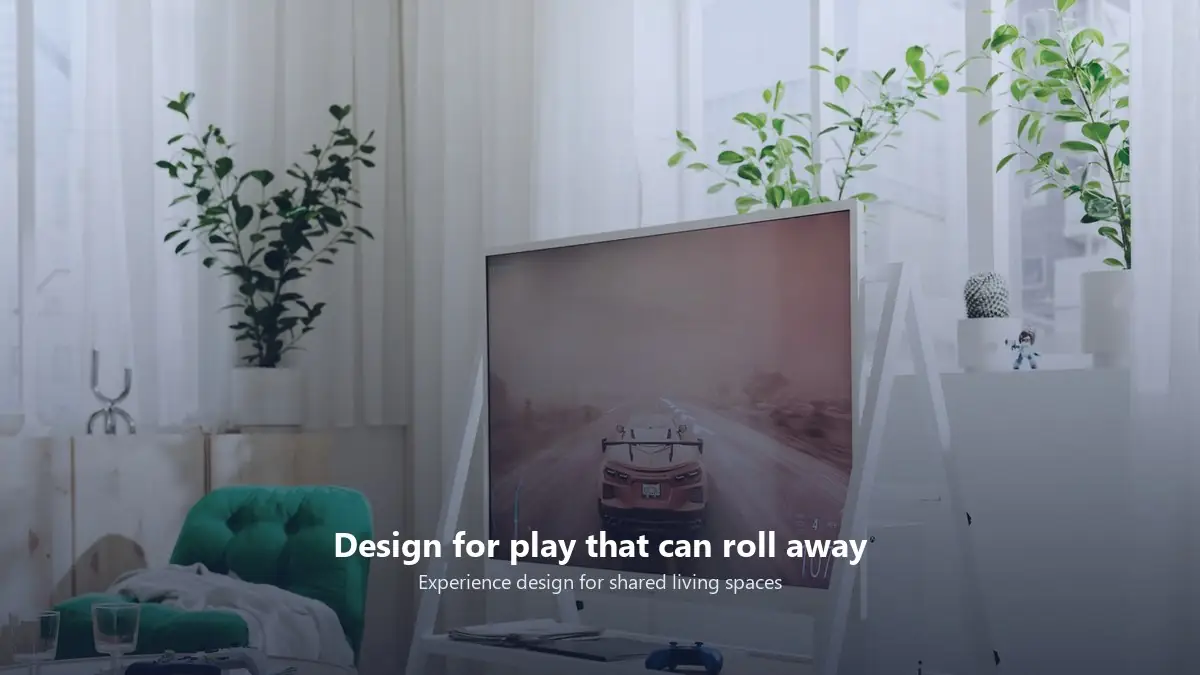
The consumer experience is practical first. A rolling TV stand moves play to the living room, then leaves. A toolbox lid becomes a laptop stand so a dining table can switch roles. A side table hides charging behind sliding doors instead of draping cables over a sofa arm. A lounge chair stores controllers out of sight. The viral pieces, the thumbstick stool and D-pad cushion, earn attention, but the system sells convenience for shared homes.
That mix matters. Novelty gets the screenshot. Utility keeps the brand in the room after the meme cycle ends. Brands copying only the novelty will miss the point of the IKEA gaming furniture strategy.
Notice how many pieces are mobile or convertible. The collection assumes play is temporary and social. That assumption changes materials, castors, storage, and even how green accents guide the eye to pockets and compartments. Consumer experience here is choreography: invite play in, then restore the room without a fight.
7 Brand Design Lessons From the IKEA Xbox Furniture Collab
1. Start With a Shared Problem, Not a Shared Logo
Both brands attack the same friction: play that has to coexist with family life. Your next partnership should name the customer problem in one sentence before anyone debates colorways.
2. Design the After State as Carefully as the Hero State
YXSTABY repeatedly designs for what happens when play ends: tuck, roll, hide, return the table to dinner. Experience design that ignores the after state creates clutter and buyer regret. Websites and apps make the same mistake when they optimize the signup screenshot and abandon the cancel, pause, or cleanup flow. If your product creates mess, design the recovery.
3. Translate Iconography Into Function
The thumbstick stool uses original controller 3D files, then changes the grip texture into anti-slip seating. Motifs work when they earn a job. Pure decoration ages faster than functional Easter eggs.
4. Keep Visual Systems Complementary
Muted whites, blacks, beiges, and guided green accents let Scandinavian simplicity carry Xbox cues without RGB overload. Digital brand identity for a collab should decide which brand leads form and which brand leads signal color. When both brands insist on dominating every surface, the room, and the product page, becomes noise. Hierarchy is a design decision and a brand manners decision.
5. Make the Partnership Shopable on the Website
A Gamescom unveil dies without clear SKUs, use cases, and room photography. Co-branded launches need site architecture that explains who it is for, how pieces work together, and what problem each item solves. Strong website design turns applause into carts. Bundle modules, "start here" kits, and before/after room stories help shoppers understand the system instead of guessing which single accessory is the entry point.
6. Plan Social Media Branding Around Proof, Not Just Teasers
Teasers worked because the objects were instantly readable. The next wave needs demos of rolling, storing, and sharing the sofa. A durable social media system should sequence curiosity, function, and lifestyle proof.
7. Use AI Content to Scale Room Stories, Not Generic Hype
AI can help produce room variants, FAQ answers, and localized launch copy. It cannot invent a coherent partnership thesis. Use AI content and growth to multiply accurate product stories after humans lock the narrative.

Branding and Business Decisions This Quarter
If you are planning a collab, run a simple filter. Does each partner contribute a capability the other lacks? Does the product still make sense when the hype fades? Can your site and packaging explain the system in under 30 seconds? The IKEA Xbox collab passes those tests because home expertise and play expertise are distinct and complementary.
Retail and e-commerce teams should also note the accessibility of the price ladder, from small accessories to larger furniture. Entry pieces widen social proof. Anchor pieces carry margin and room transformation. That assortment logic is branding strategy as much as merchandising.
There is also a distribution lesson. IKEA stores plus online reach people who were never going to wander into a specialty gaming retailer. Xbox gets physical presence in homes that already trust IKEA for everyday furniture. Your partnerships should ask the same question: whose shelf, feed, or store puts the product in front of the right next customer?
How Short Stereo Helps Brands Design Partnership Systems
Short Stereo helps teams turn collab ideas into coherent brand systems: clearer product storytelling on the web, social sequences that prove function, and AI-assisted content that stays faithful to the partnership thesis. The goal is not a louder announcement. The goal is a product people still want after the first weekend. That usually means aligning design, merchandising, and content owners before the first teaser ships, so the promise on social matches the object in the cart and the room it eventually enters.
A Simple Co-Branding Checklist
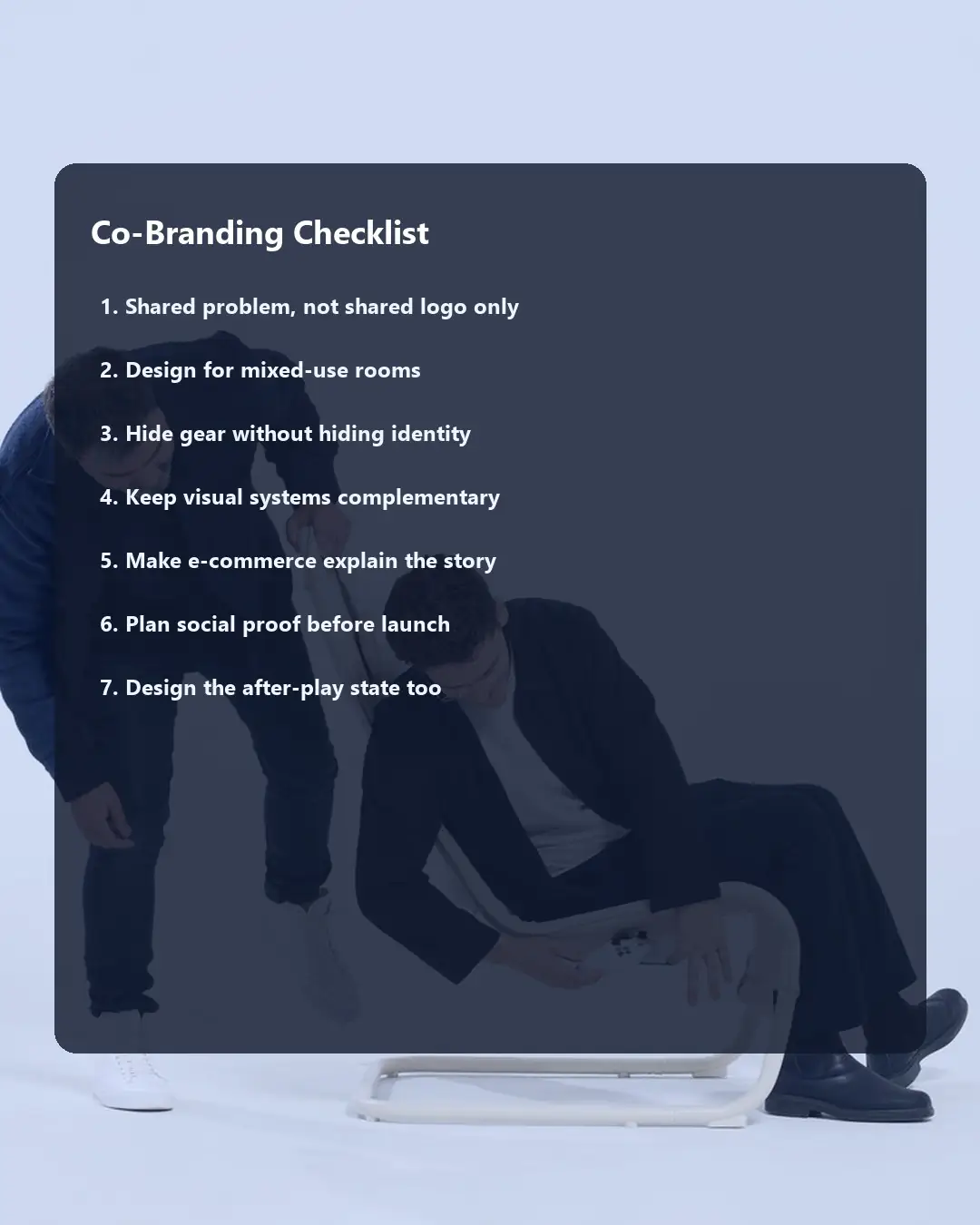
- Write the shared customer problem in one sentence.
- Define the after-use state for every hero product.
- Decide which brand owns form language vs signal color.
- Map SKUs to room jobs, not only to novelty.
- Build website modules for system stories and single-item pages.
- Plan social demos of function before lifestyle flex.
- Set an AI content review loop so launch copy stays accurate across markets.

Conclusion
The IKEA Xbox collab succeeds when it stops sounding like merch and starts sounding like home design. YXSTABY shows how co-branding, experience design, and retail clarity can turn two famous brands into furniture that respects shared rooms. Steal the lessons: shared problem, after-play design, functional motifs, complementary visuals, and a shoppable story. Do that, and your next partnership can feel inevitable instead of opportunistic. When you want help turning a partnership into a system people can live with, visit shortstereo.com.
Frequently Asked Questions
What is the IKEA Xbox collab?
IKEA and Xbox launched YXSTABY, a nine-piece gaming furniture and accessory collection designed to fit everyday living rooms. It includes a lounge chair, rolling TV stand, thumbstick stool, D-pad cushion, and more, unveiled at Gamescom 2026.
When does the IKEA Xbox furniture line go on sale?
YXSTABY is scheduled for IKEA stores and online from around October 1, 2026, with availability and pricing varying by market.
Why does the IKEA Xbox collab matter for brand leaders?
It shows how co-branding can solve a shared customer problem, gaming that has to live with family furniture, instead of slapping two logos on a novelty product.
What is co-branding in product design?
Co-branding pairs two brands on a product or collection so each contributes credibility, design language, or distribution. The strongest versions share a clear use case, not only a logo lockup.
How can smaller brands apply lessons from IKEA and Xbox?
Start with a real friction point your audiences both care about, design for the after-use state as carefully as the hero moment, and make the partnership story clear on your website, social, and packaging.