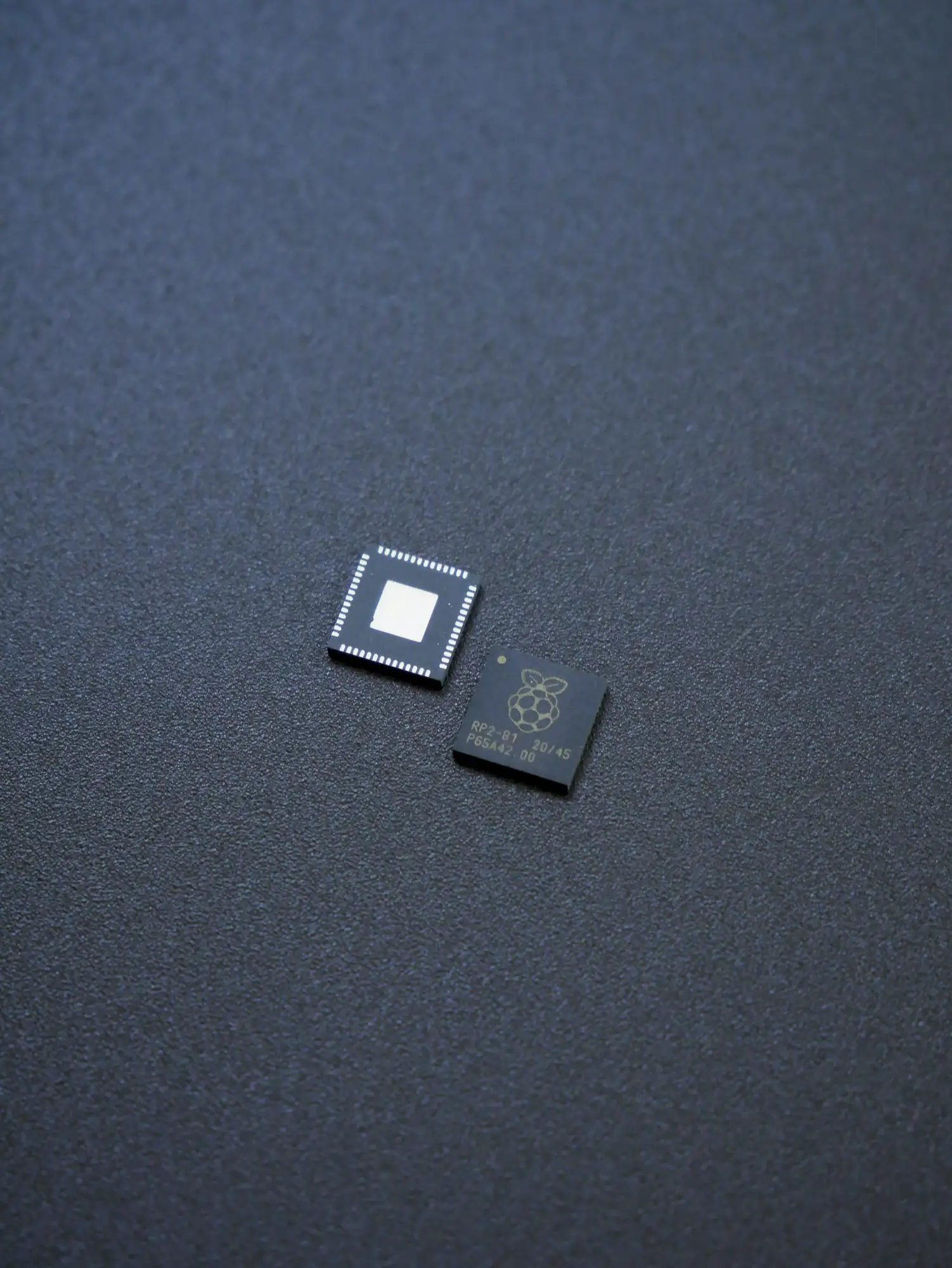
Anthropic just made a move that has nothing to do with a new model release, and everything to do with how AI companies are starting to build. The Anthropic AI chip team story is not only engineering news. It is a brand strategy signal for founders, CMOs, and design leads who need to understand what AI infrastructure moves mean for their own product and messaging decisions.
If you only read the headline as a hiring note, you will miss the larger pattern: control of chips is becoming control of experience, cost, and trust.
Recent reporting, including coverage from TechCrunch, confirms Anthropic is hiring a team to design its own AI chips. On the surface, that reads like a hardware story for engineers. Underneath, it is a branding and business-strategy story for everyone else.
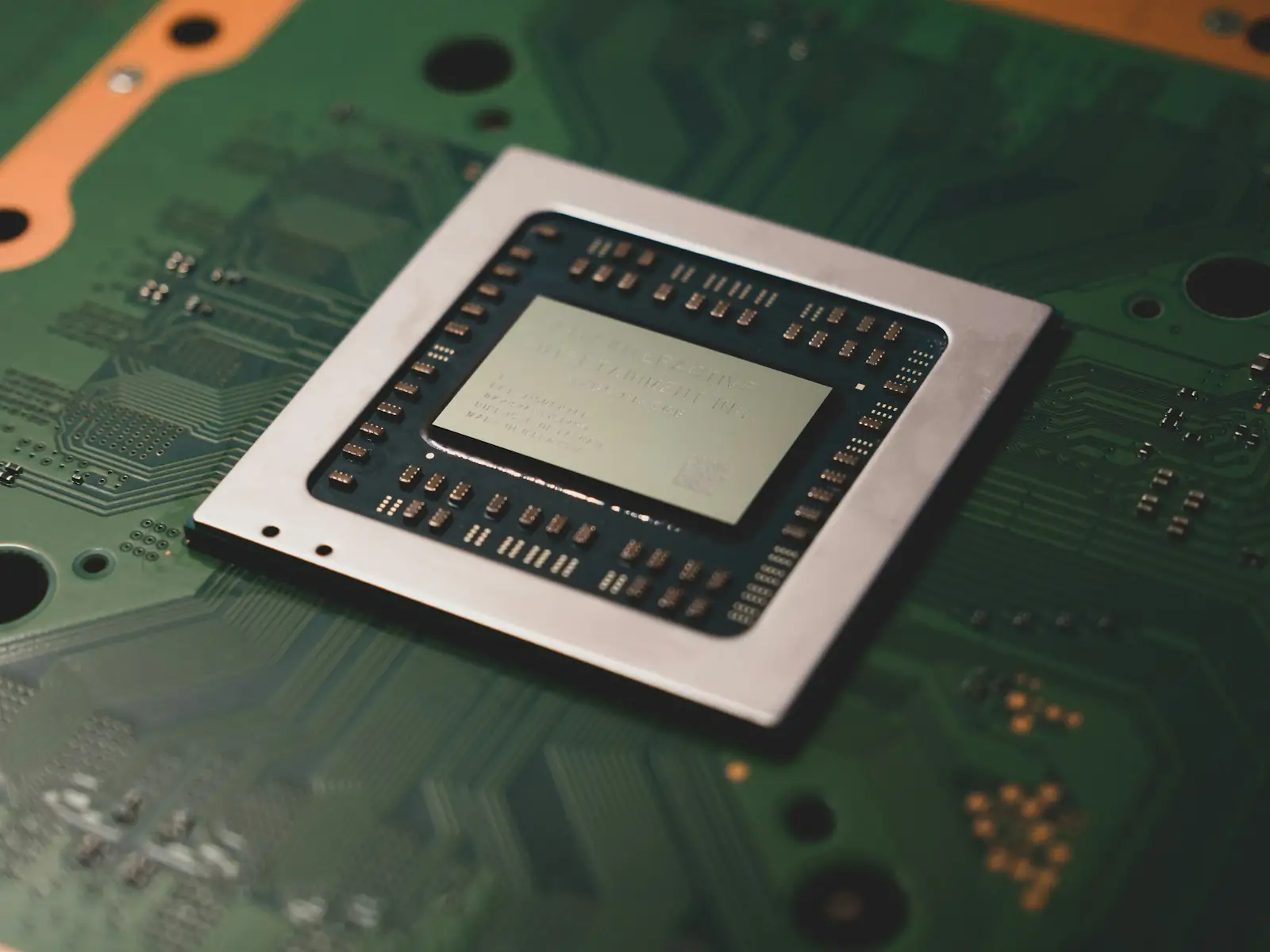
Here's what Anthropic's AI chip team signals for brand and design leaders, even ones who will never design a chip themselves.
Why Anthropic Building an AI Chip Team Is Bigger News Than It Looks
When an AI company starts designing its own chips, it is signaling something to the market: it wants more control over performance, cost, and reliability than it can get by only renting someone else's hardware. That is not a small technical footnote. It is the kind of decision that eventually shows up in how confident a brand sounds, how fast its products feel, and how much it can promise customers with a straight face.
Anthropic news of this kind often gets filed under "AI industry hiring." The more useful framing for brand leaders is AI chip design explained as a positioning move: multi-year infrastructure bets change what a company can claim next year, not just what it can compute tomorrow.
At Short Stereo, we watch these infrastructure moves closely because they tend to predict which brands will be able to back up bold AI claims a year from now, and which ones will have to walk them back.
1. Anthropic Is Following the Playbook of Apple, Google, and Amazon
Owning custom silicon is not a new idea. Apple, Google, and Amazon have all built their own chip teams to control performance and cost instead of depending entirely on outside suppliers. Anthropic building an AI chip team puts it in that same category of company: one trying to control its full stack, not just the layer customers see.
That matters for tech brand strategy because markets learn to associate custom infrastructure with seriousness. A company that invests in silicon is saying it expects demand, reliability pressure, and competitive pressure to last long enough to justify the bet.
What "owning the stack" signals to the market
It tells customers, investors, and competitors that a company plans to be around long enough, and confident enough, to make multi-year infrastructure bets, not just ship features quickly and hope the underlying hardware keeps up. Anthropic AI chip design is therefore both a technical roadmap and a brand promise about durability.
2. Vertical Integration Is Becoming a Brand Trust Signal
For years, "vertical integration" was a supply-chain term nobody outside operations cared about. That is changing. As more companies compete on AI speed and reliability, controlling more of the stack, including chips, has become a way to signal trustworthiness, not just efficiency.
Brand leaders should notice this shift: infrastructure decisions are quietly becoming part of the brand story, even when they never appear in a single ad or landing page headline. Digital brand identity is no longer only logo, type, and color. It is also whether the product experience feels consistently fast, stable, and honest.
When customers cannot see the chip, they still feel the product. That felt reliability is brand equity.
3. AI Infrastructure Decisions Are Now Part of the Brand Story
AI hardware strategy used to live in engineering planning decks. Now it leaks into product design, support load, pricing power, and the confidence of every "AI-powered" claim on the website.
How hardware choices shape product experience
The chip decisions a company makes today affect how fast its product responds, how reliable it is under load, and how much it costs to keep prices reasonable for customers. All three of those outcomes are things customers feel, even if they never hear the word "chip."
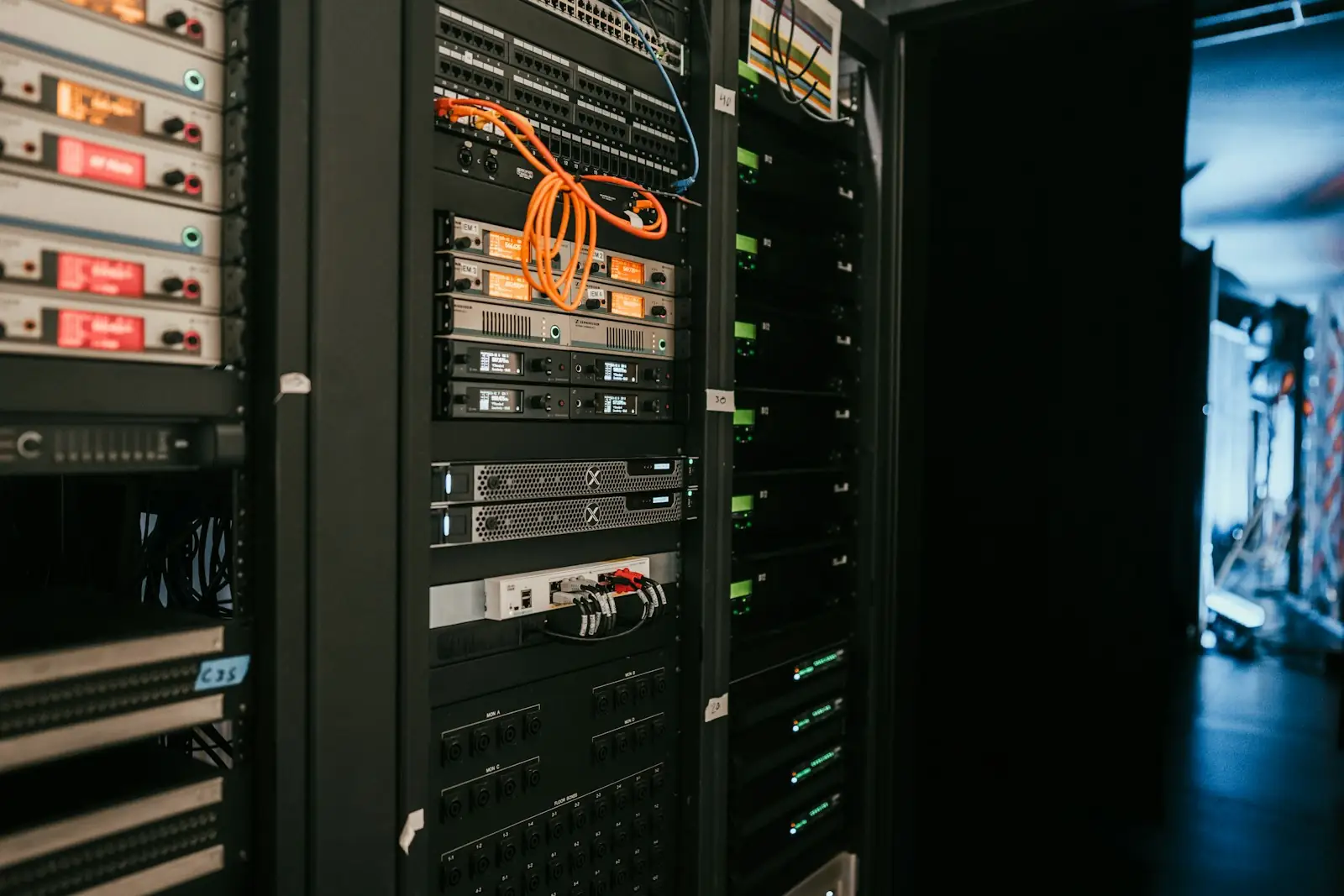
This is the part brand teams often miss: customers do not experience your infrastructure directly, but they absolutely experience its consequences. Experience design has to account for what the stack can actually deliver under real usage, not only what marketing wishes it could say.
4. This Changes What "AI-Powered" Means in Your Own Branding
If major AI labs are now investing in custom chips to make their products faster and more reliable, "AI-powered" as a marketing phrase is about to mean more than it used to. Customers are being trained, gradually, to expect AI claims to be backed by real infrastructure investment, not just a feature flag.
For any brand using "AI-powered" in its own marketing, this is a good moment to ask: does our messaging match the depth of what we have actually built? Anthropic's AI chip team raises the comparison set. Even brands that never compete with Anthropic will still be judged by a rising baseline of what serious AI capability looks like.
If your team needs help making sure website and brand messaging match what the product can genuinely deliver, pair website design services with AI-assisted content workflows so claims stay current as capabilities evolve.
5. Speed and Reliability Claims Will Need to Hold Up Under Scrutiny
As AI infrastructure investment becomes public knowledge, customers and competitors alike are paying closer attention to whether a company's claims about speed and reliability hold up. A hiring announcement like this one raises the bar industry-wide. Other AI-driven brands will increasingly be compared against it, fairly or not.
That scrutiny is a design trends story as much as a hardware one. Interfaces that promise "instant" results, "always on" intelligence, or "enterprise-grade reliability" now invite proof. If the product stutters, the brand story cracks. Audit speed claims, load promises, and support language before the market does it for you.
6. Design and Engineering Teams Are Merging Earlier in the Process
Chip design decisions happen years before a product ships, which means design and engineering conversations have to start earlier too. Brands that treat design as something bolted on after the technical decisions are finalized will increasingly fall behind teams that bring design into the room from day one, including decisions about infrastructure.
For product design leaders, the practical implication is calendar math: experience constraints need to be named while architecture is still flexible. Branding strategy then has language that matches roadmap reality instead of inventing a parallel story after launch.
7. What This Signals About Anthropic's Long-Term Positioning
Taken together, an AI chip team suggests Anthropic is positioning itself for the long game, building for durability and control rather than just the next release cycle. That is a positioning signal other brands can learn from, even at a much smaller scale: durable brand trust is built on decisions made well before the customer ever sees them.
Anthropic branding, in this sense, is not a campaign palette. It is the cumulative signal of investment, restraint, and capability. Smaller teams can copy the discipline without copying the silicon: invest where experience depends on you, be precise about claims, and let infrastructure decisions show up as confidence rather than hype.

A Practical Playbook From Short Stereo for Brand Leaders
You do not need to hire chip engineers to respond well to this kind of news. Use this practical starting sequence this week, the same systems lens Short Stereo applies when infrastructure news collides with brand language.
- Audit your AI claims, pull every place your brand uses "AI-powered," "instant," or "reliable" and check it against what your product can currently deliver.
- Align messaging with reality, adjust copy that overpromises before a customer or competitor points it out for you.
- Update product and brand copy, where your infrastructure genuinely supports a stronger claim, make sure your website and marketing reflect that confidence clearly.
- Monitor the story as it develops, infrastructure moves like this one often signal where an entire industry is heading next; track it rather than reacting once.
When you translate technical news into content your audience understands, pair the audit with social media systems so the message stays consistent across channels.
Explore more at shortstereo.com.
Conclusion
Anthropic hiring an AI chip design team is not just a hardware headline. It is a signal about how seriously AI companies are now taking control of their own stack, from silicon to storefront. For brand and design leaders, the lesson is not "go build a chip." It is simpler: infrastructure decisions are becoming part of the brand story, whether you planned for that or not.
The Anthropic AI chip team news is a reminder to audit what your brand currently promises, make sure your product and messaging can back it up, and keep watching how the biggest players in AI are quietly redefining what "reliable" and "AI-powered" mean in 2026.
Frequently Asked Questions
Why is Anthropic building its own AI chips?
Reporting indicates Anthropic is hiring a dedicated AI chip design team, following a pattern set by companies like Apple, Google, and Amazon that build custom silicon to gain more control over performance, cost, and reliability than they'd have relying solely on outside chip suppliers.
Does an AI chip team change how a company should market its AI features?
It raises the bar for what customers expect "AI-powered" claims to mean, since major AI labs are now visibly investing in the infrastructure needed to back those claims up, making it a good time for any brand to check that its own messaging matches its actual capabilities.
What does "vertical integration" mean for a brand's positioning?
Vertical integration means controlling more of a product's full stack, from infrastructure to customer experience; increasingly, that control is read by customers and competitors as a signal of long-term stability and trustworthiness, not just operational efficiency.
Should smaller companies worry about this kind of infrastructure news?
Not directly, most companies won't design their own chips, but the underlying lesson applies broadly: infrastructure and technical decisions eventually show up in brand experience, so it's worth understanding how they connect even at a smaller scale.
How should a business talk about AI capabilities without overpromising?
Audit current AI-related claims against what the product can actually deliver today, update messaging where there's a gap, and treat infrastructure investment as part of the brand story rather than a purely technical decision.