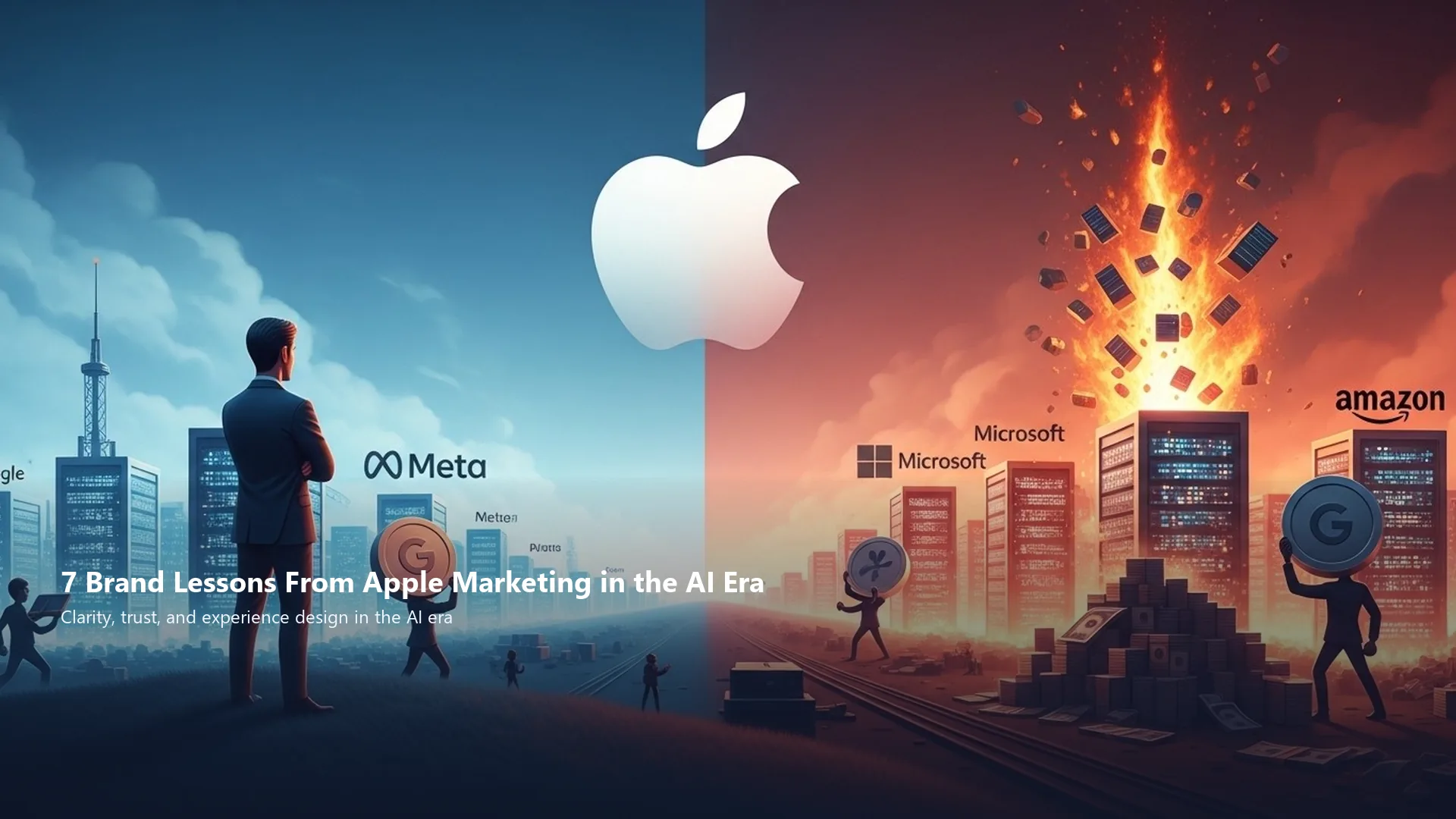
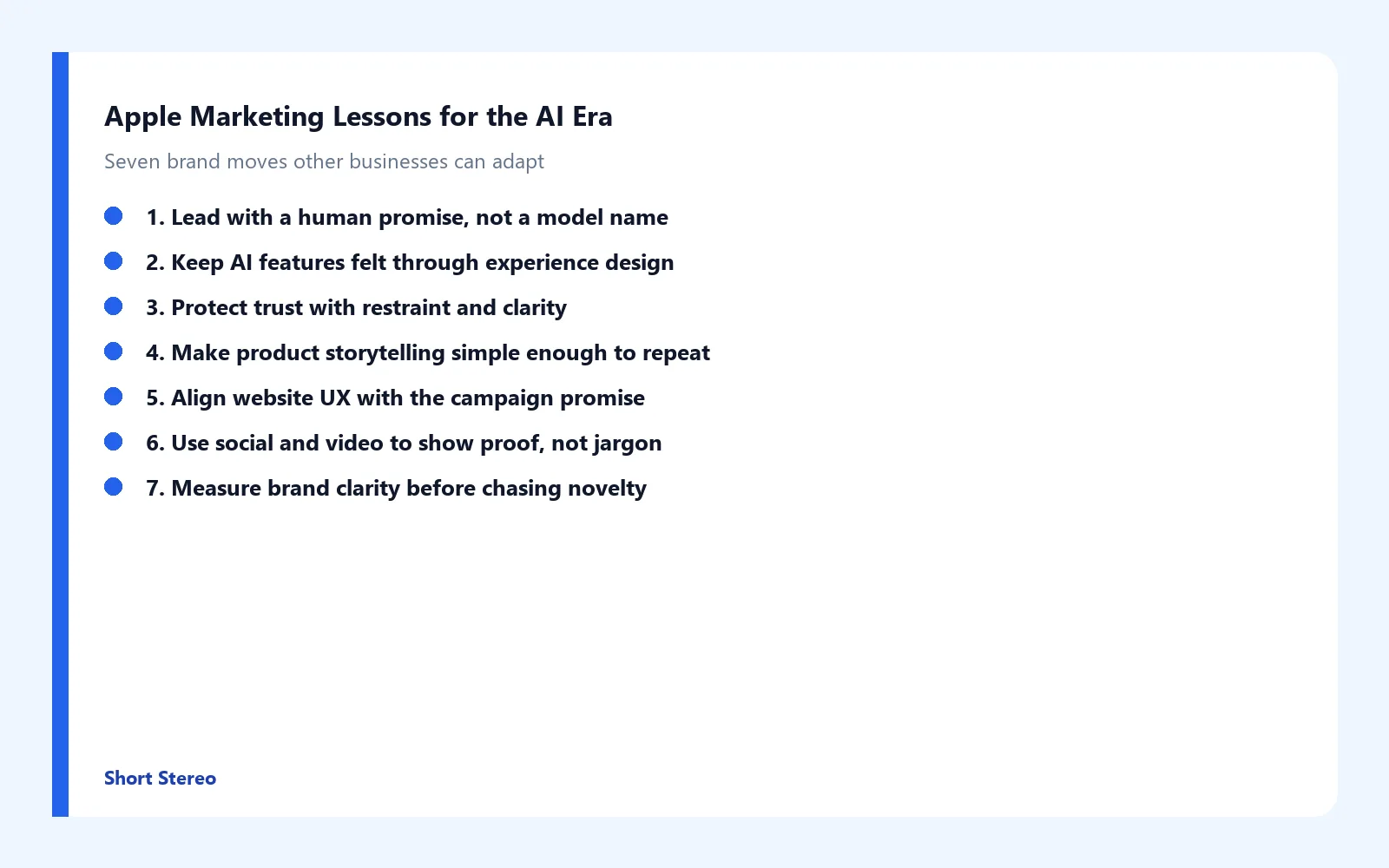
Apple marketing strategy in the AI era is less about shouting the newest model name and more about keeping the brand promise clear while technology gets complicated. For other businesses, the useful question is how branding, experience design, and proof change when AI enters the story.

In-depth analyses of Apple marketing, including 2026 strategy coverage such as pieces indexed via Google News from sources like Klover.ai, keep returning to the same tension: dominate attention without sounding like every other AI announcement. This article reframes those themes for brand leaders. It stays faithful to the public conversation without inventing spend figures, quotes, or outcome guarantees.
Why Apple Marketing Still Sets the Bar in the AI Era
Apple remains a high-search brand because people associate it with product clarity and cultural polish. When AI becomes the industry default talking point, that reputation is tested. Marketing that only lists capabilities starts to sound interchangeable. Marketing that protects a human promise still feels like Apple.
Other brands can borrow the discipline even when they cannot borrow the budget.
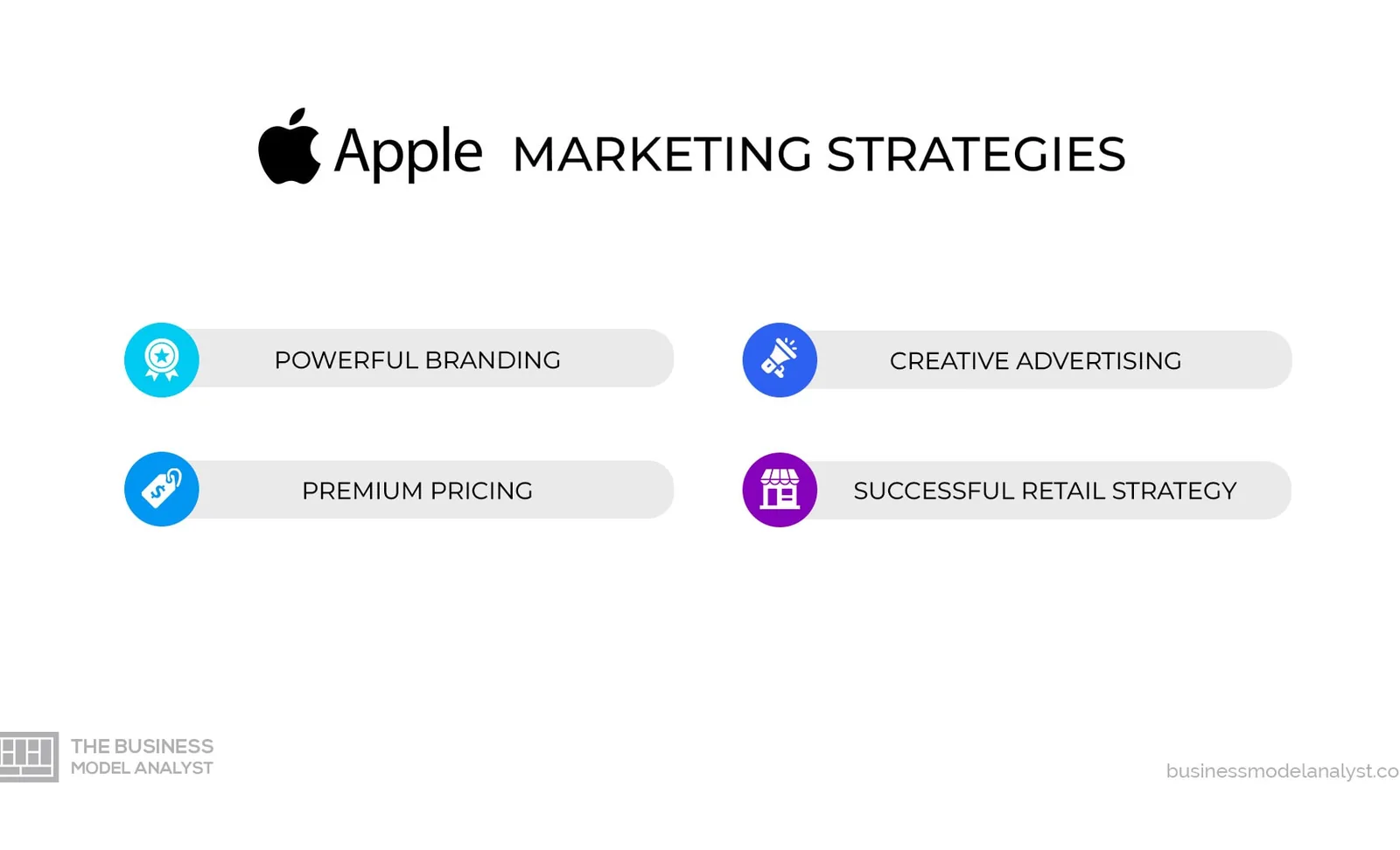
1. Lead With a Human Promise, Not a Model Name
Customers buy outcomes: easier creative work, safer defaults, faster workflows, better photos. Lead with that promise. Model names and feature lists support the story. They should not replace it.
Write one sentence your team can repeat. If the sentence needs three commas and a product code, it is still unfinished branding strategy.
Practical move
Finish this line: "With AI, we help [audience] get [result] without [common fear]."
2. Keep AI Features Felt Through Experience Design
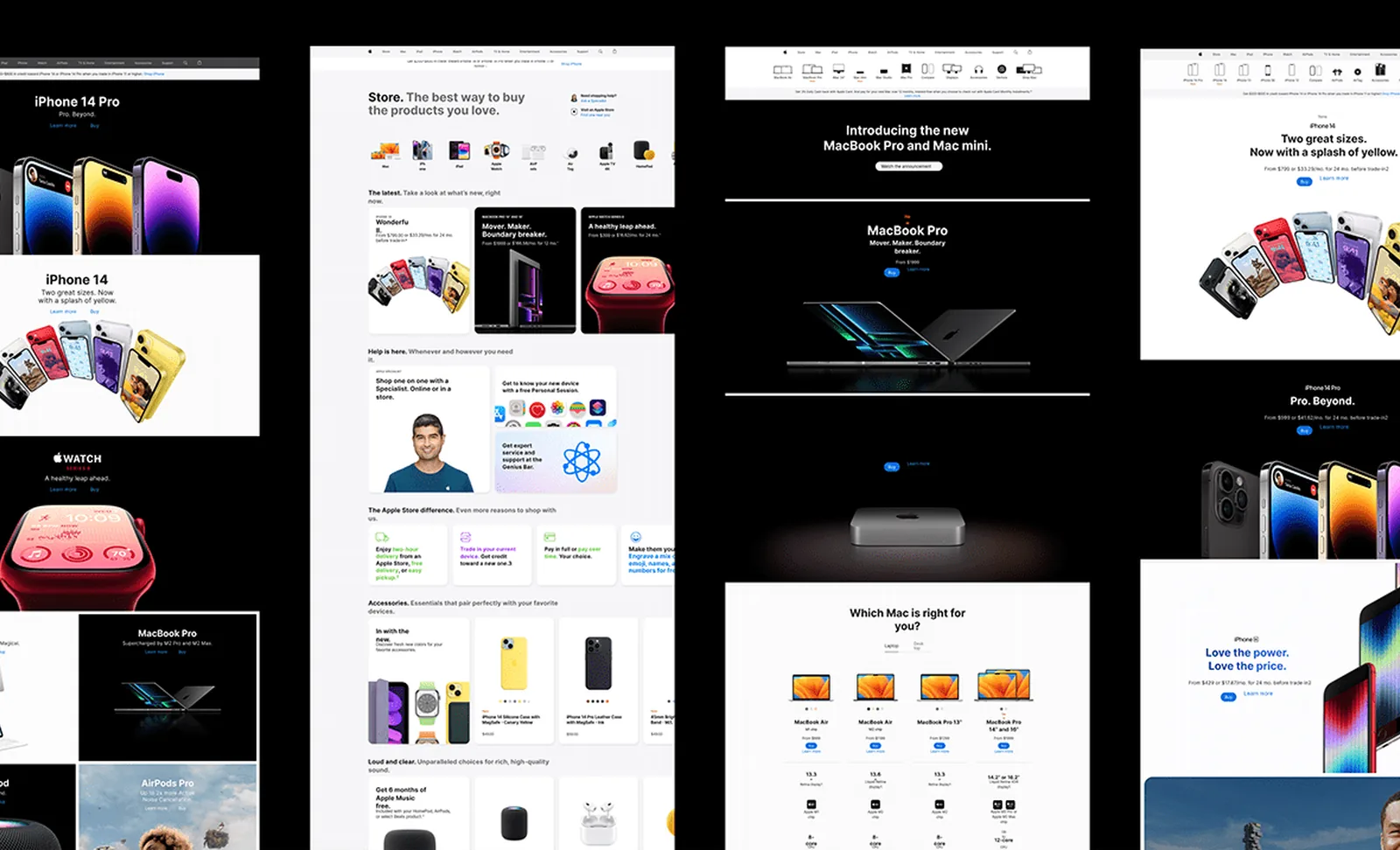
Apple-style marketing works when the product experience matches the ad. Experience design is the bridge: onboarding, defaults, empty states, and the first successful action. If the campaign promises calm and the product dumps settings, trust breaks.
Audit your website design and product UI so the AI story is visible in the first session, not only in the launch video.
3. Protect Trust With Restraint and Clarity
In an era of exaggerated AI claims, restraint becomes a brand asset. Clear limits, honest demos, and readable language protect digital brand identity. Overpromising creates short spikes and long repair cycles.
Say what the feature does, what it does not do, and how people stay in control. That tone is a branding decision as much as a legal one.
4. Make Product Storytelling Simple Enough to Repeat
Apple marketing often succeeds because the story is portable: friends can explain it in one line. Complexity lives in engineering. Simplicity lives in the narrative. Brand leaders should pressure-test every AI announcement for repeatability.
If sales and support cannot explain the feature the same way marketing does, the system is fragmented.
5. Align Website UX With the Campaign Promise
Launch traffic dies on vague landing pages. Match headline, proof, and next step to the campaign. Hierarchy, speed, and mobile clarity are part of the marketing system, not a separate website project.
Use proof modules, FAQs, and demos that answer the same questions the ad raises. Experience design turns attention into understanding.

6. Use Social and Video to Show Proof, Not Jargon
Short video can demonstrate outcomes faster than feature grids. Open on the problem or result, keep branding visible, and end with one next step. Social media systems help teams reuse templates so the story stays consistent across weeks.
Support drafting with AI content workflows, then edit for accuracy and brand voice. Tools accelerate production. Judgment still owns trust.
7. Measure Brand Clarity Before Chasing Novelty
Track whether people can repeat your promise, whether demos reduce confusion, and whether site paths match the campaign. Novelty without clarity creates noise. Clarity without iteration creates stagnation. Balance both.
Never promise that studying Apple marketing will create sales, rankings, or market dominance. These lessons improve the conditions under which people can trust you.
How Short Stereo Helps Brands Apply Apple-Style Clarity
After teams study Apple marketing strategy, the ones who improve usually fix promise, UX, and proof together. Short Stereo helps connect those pieces so AI-era messaging stays understandable and usable.
Conclusion
Apple marketing in the AI era rewards human promises, experience design, trust through restraint, repeatable storytelling, website alignment, proof-led social and video, and clarity metrics. None of these moves guarantee sales, rankings, or dominance. They improve the conditions under which customers can believe you. If you want help turning those lessons into design and content systems, visit shortstereo.com.
Frequently Asked Questions
How can a design agency help brands learn from Apple marketing in the AI era?
A design partner translates Apple-style clarity into your promise, visual system, website UX, and proof content so AI features feel useful instead of noisy. Agencies can align social and video with that system. They do not guarantee sales, rankings, or market dominance.
What branding changes should businesses make after studying Apple marketing strategy?
Tighten one customer promise, simplify product language, keep AI claims tied to real experience, and make website and social visuals match. Update templates and campaigns so every channel repeats the same story.
How to use social media and video content for an Apple-inspired AI marketing approach?
Show the outcome in the first seconds, explain the feature in plain language, and use short proof clips instead of jargon. Pair posts with a clear website next step. Cadence should support trust, not constant novelty for its own sake.
Should every brand copy Apple's AI marketing pace?
No. Copy the discipline: clarity, restraint, and experience quality. Your category, audience, and product maturity decide timing. Shipping confusing AI messaging faster than competitors rarely builds trust.
What matters more for AI-era branding, model claims or customer experience?
Customer experience. People remember whether the product felt simpler, safer, and more useful. Model names fade; brand trust compounds when websites, apps, and campaigns keep the same promise.