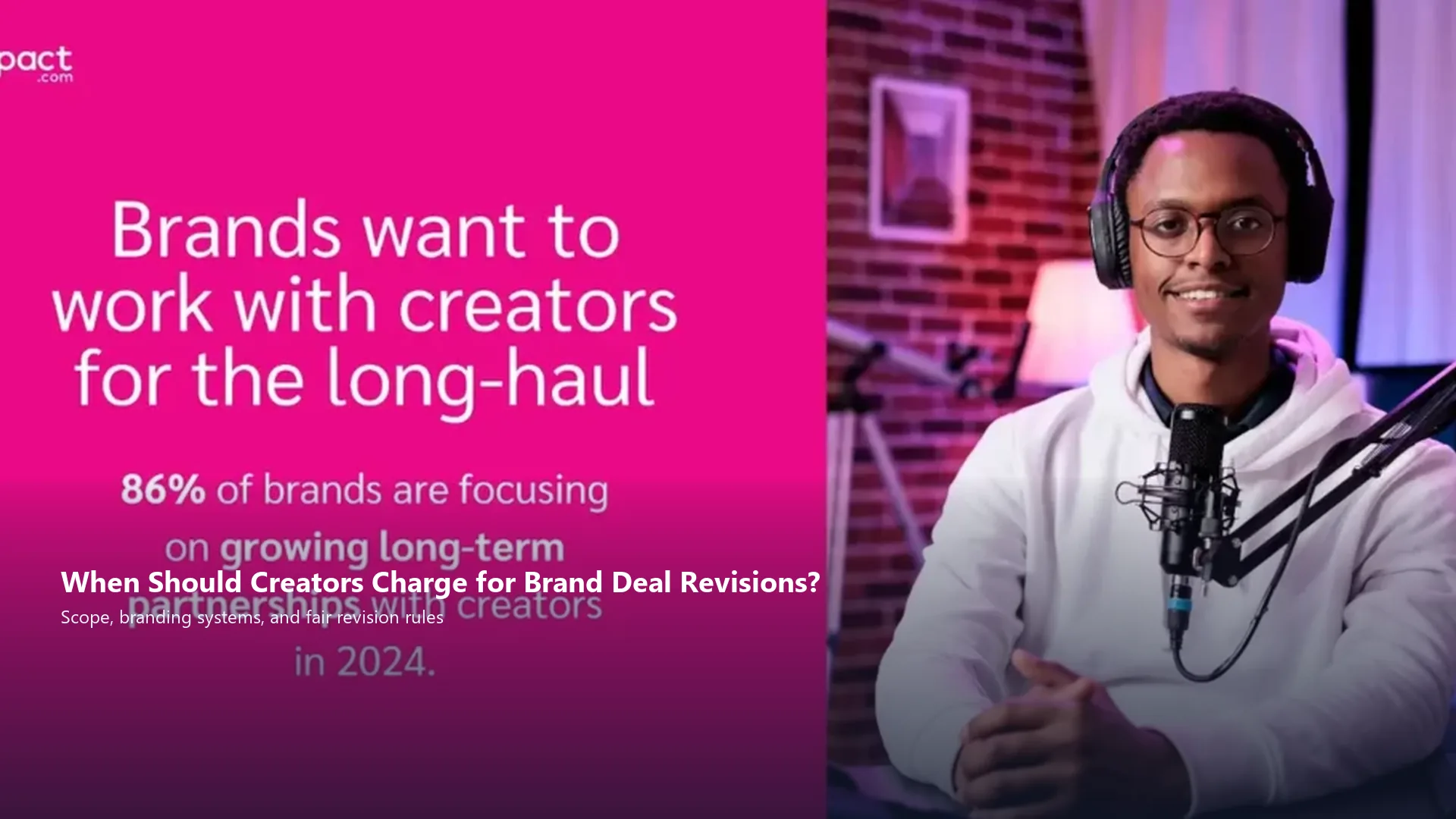
If you create sponsored content, you have probably asked when should creators charge for brand deal revisions. One polish pass feels normal. Five concept changes after delivery feel like unpaid project management. The better frame is branding and experience design: clear scope protects creators and helps brands get on-message work without burning the relationship.
That exact question shows up often in creator communities, including an r/socialmedia thread about when people who do brand deals should start charging for revisions. Teams that treat partnerships as designed systems, spanning identity kits, video workflows, captions, and website follow-through, usually avoid endless loops. This playbook stays faithful to that community pain without inventing fee schedules, fake testimonials, or guaranteed outcomes.
Why Brand Deal Revisions Become a Branding Problem
Revisions are not only about money. They shape digital brand identity in public. Every new note can drift the story, soften the offer, or break visual consistency. Creators feel the cost in hours. Brands feel the cost in delayed launches and muddy messaging.
Experience design applies here the same way it applies to a website: define the promise, reduce friction, and make the next step obvious. When the brief is vague, both sides improvise. Improvisation creates revision debt.

1. Define Included Rounds Before the First Draft
Charge after the included rounds are used, not after goodwill runs out. A common pattern is one concept check plus one or two polish rounds on the approved direction. Anything beyond that becomes a paid change unless the error was yours.
Write the number in the deal. Ambiguity is what turns "quick tweaks" into a second production cycle.
Practical move
Add one line to every SOW: "Fee includes X revision rounds after concept approval. Additional rounds billed at Y."
2. Separate Creative Direction From Compliance Fixes
Not every change should bill the same way. Legal disclaimers, required disclosures, and factual corrections often belong in the deal as required compliance. Brand-new concepts, new locations, new talent asks, or "make it feel completely different" requests are scope expansion.
Label notes as compliance, polish, or new direction. That shared language reduces conflict and keeps social media branding coherent.
3. Charge When Scope Expands Past the Brief
Start charging when the request changes the approved story, format, length, offer, or visual system. If the brand approved a 30-second demo and later wants a sketch comedy rewrite, that is new work. If they ask for three alternate hooks after final delivery, that is new work.
Creators protect craft by pricing expansion. Brands protect budget by locking the brief earlier. Both sides win when the line is explicit.
4. Put Revision Fees and Turnaround in Writing
Verbal "we will keep it light" rarely survives launch week. Written fees, rush rates, and response windows make partnerships feel professional. Share examples of in-scope versus out-of-scope notes so marketing managers know what to send.
Operators who rely on social media systems often package this into a repeatable creator brief template. Consistency beats reinventing policy for every deal.
5. Share Brand Kits Early to Reduce Endless Loops
Most revision spirals start with missing assets: logo rules, color, typography, claims that are allowed, competitor mentions to avoid, and the destination URL. Give creators a kit before production. Match that kit to your website design so the post-click experience feels like the same brand.
Support drafting checklists with AI content workflows, then human-edit for legal accuracy. Tools help speed. Brand judgment still owns the final claim set.
Practical move
Send a one-page do / do-not sheet with three reference posts. Ambiguity drops immediately.
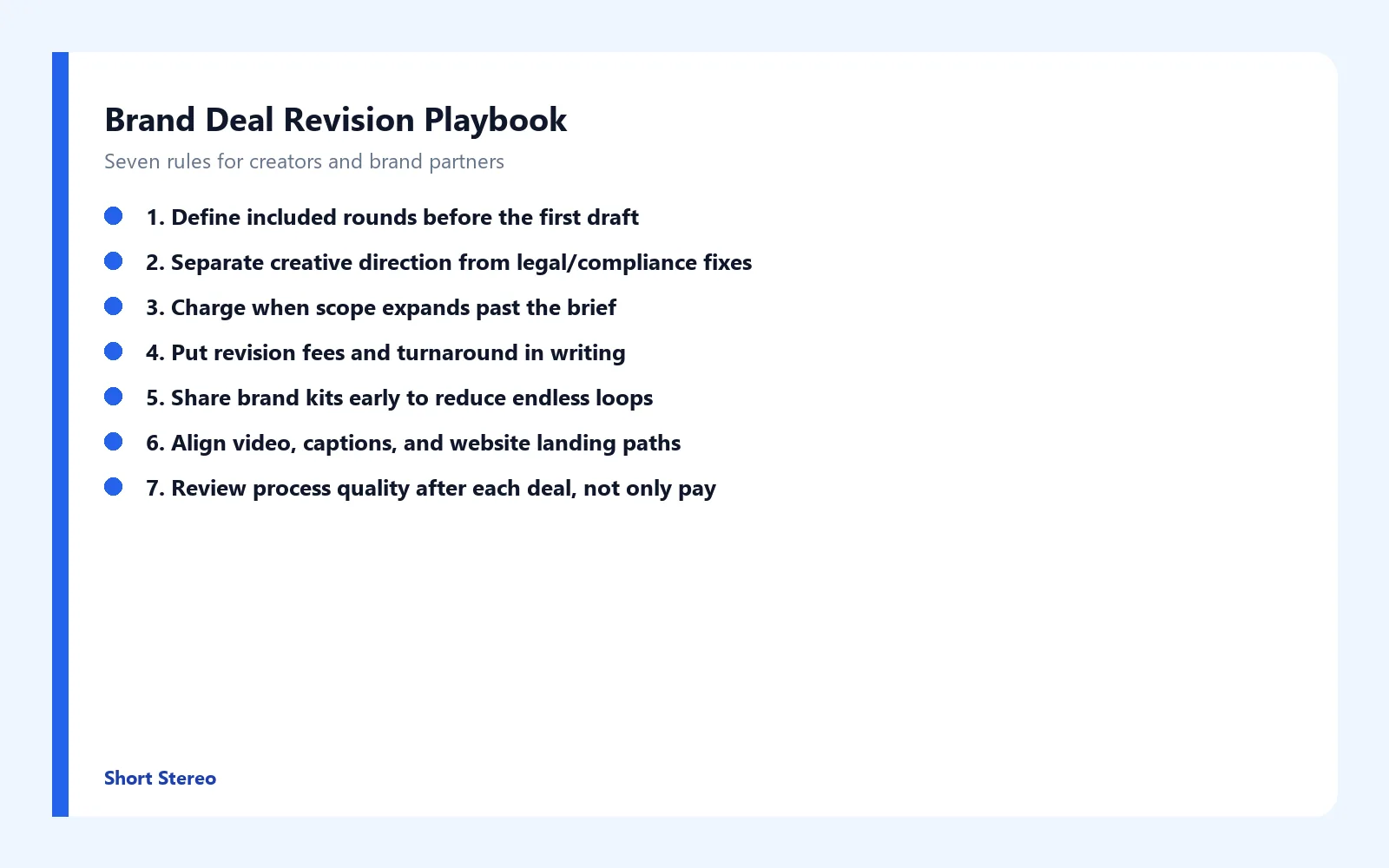
6. Align Video, Captions, and Website Landing Paths
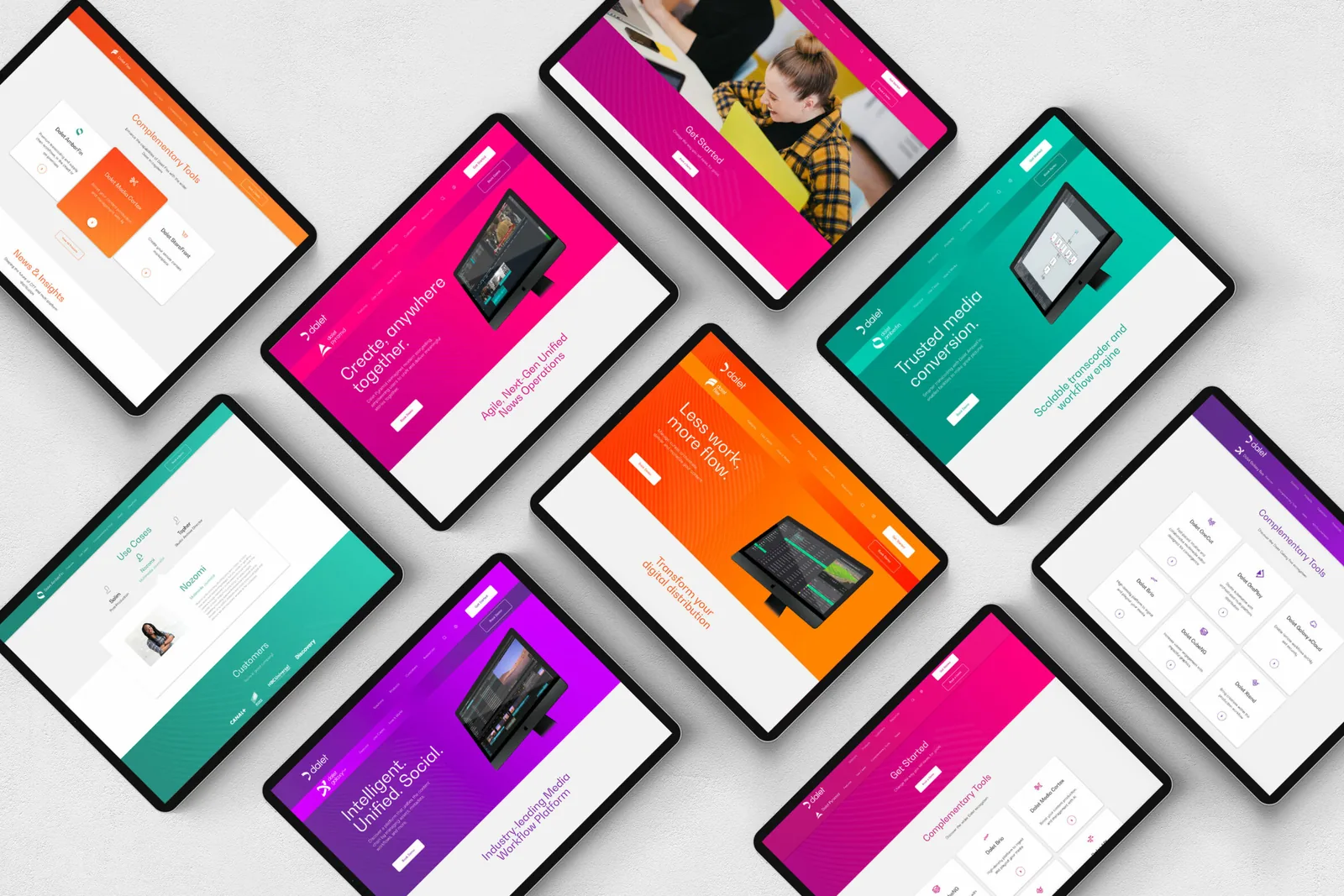
Revision notes often explode when the video says one offer and the landing page says another. Approve the destination first. Then build the hook, proof, and end card around that path. Short video should open on the problem or result in the first second and end with one clear action.
One shoot can feed a Reel, a static reminder, and a longer caption post when templates exist. That reduces remakes caused by channel-by-channel improvisation.
7. Review Process Quality After Each Deal, Not Only Pay
After delivery, ask both sides: Did the brief prevent confusion? Were rounds enough? Did brand notes stay on-scope? Improve the template. Do not assume more money alone fixes a broken briefing culture.
Never promise that clearer revision rules will create sales, rankings, or viral reach. They improve fairness and brand clarity. Creative quality and audience fit still do the heavy work.
How Short Stereo Helps Brands and Creators Reduce Revision Chaos
After teams ask when creators should charge for brand deal revisions, the ones that improve usually fix kits, briefs, and landing-page alignment together. Short Stereo helps connect those pieces so partnerships stay on-brand without endless unpaid loops.
Conclusion
When should creators charge for brand deal revisions? After included rounds are used, and whenever requests expand past the approved brief. Brands can prevent most fights by shipping kits early, separating compliance from new direction, aligning video with website paths, and writing fees into the deal. None of these moves guarantee sales, rankings, or conversions. They improve the conditions under which creator partnerships stay clear and fair. If you want help turning that playbook into design and content systems, visit shortstereo.com.
Frequently Asked Questions
How do creators get brand deals?
Creators usually win brand deals by showing a clear audience fit, consistent content quality, and proof that posts drive useful actions. A simple media kit, case examples, and a brand-ready profile help. Strong branding and website follow-through make outreach easier for both sides without promising specific results.
How do content creators get brand deals without endless unpaid revisions?
Put included revision rounds, turnaround times, and change fees in the brief before filming or designing. Share brand kits early. Treat new concepts after approval as paid scope. Clear process protects creative energy and keeps partnerships professional.
How can a design agency help with creator brand deals?
Agencies help brands ship kits, templates, landing pages, and creative systems so creators get fewer conflicting notes. That reduces revision loops and improves on-brand delivery. Agencies do not guarantee deal volume, sales, or rankings.
What branding changes should businesses make before working with creators?
Clarify the promise, visual rules, do-and-do-not examples, product claims, and the post-click path. If the website and social look like different companies, creators will guess, and revisions will multiply. Align identity first, then brief.
How to use social media and video content in brand deal workflows?
Approve a concept board, then one polished cut with a limited set of included polish rounds. Keep captions, end cards, and landing pages matched. Use short video for the hook and static proof assets for follow-up posts so one shoot serves multiple formats.