If you have asked whether small businesses need so much time on social media, you are probably already tired. Content calendars expand. Posts underperform. The business still needs sales calls, delivery, and product work. The real question is branding and experience design: how do you stay findable without living inside the apps?
That exact tension shows up often in operator communities, including an r/smallbusiness thread asking if small businesses really need to spend so much time on social media. Teams that treat social as a designed system, spanning identity, templates, short video, and website follow-through, usually spend fewer hours for clearer results than teams that only post more. This playbook stays faithful to that community pain without inventing engagement stats or promising outcomes.
Why Social Time Feels Endless for Small Businesses
Social platforms reward presence signals: fresh creative, replies, and recognizable brand cues. A tiny team trying to look like a media company burns evenings rewriting captions and hunting stock photos. Meanwhile, visitors who land on the profile still cannot tell what you sell in five seconds.
So the problem is not only hours. It is missing brand architecture. Digital brand identity, website UX, and social creative should share one promise. When they do, you can post less often because each asset works harder.
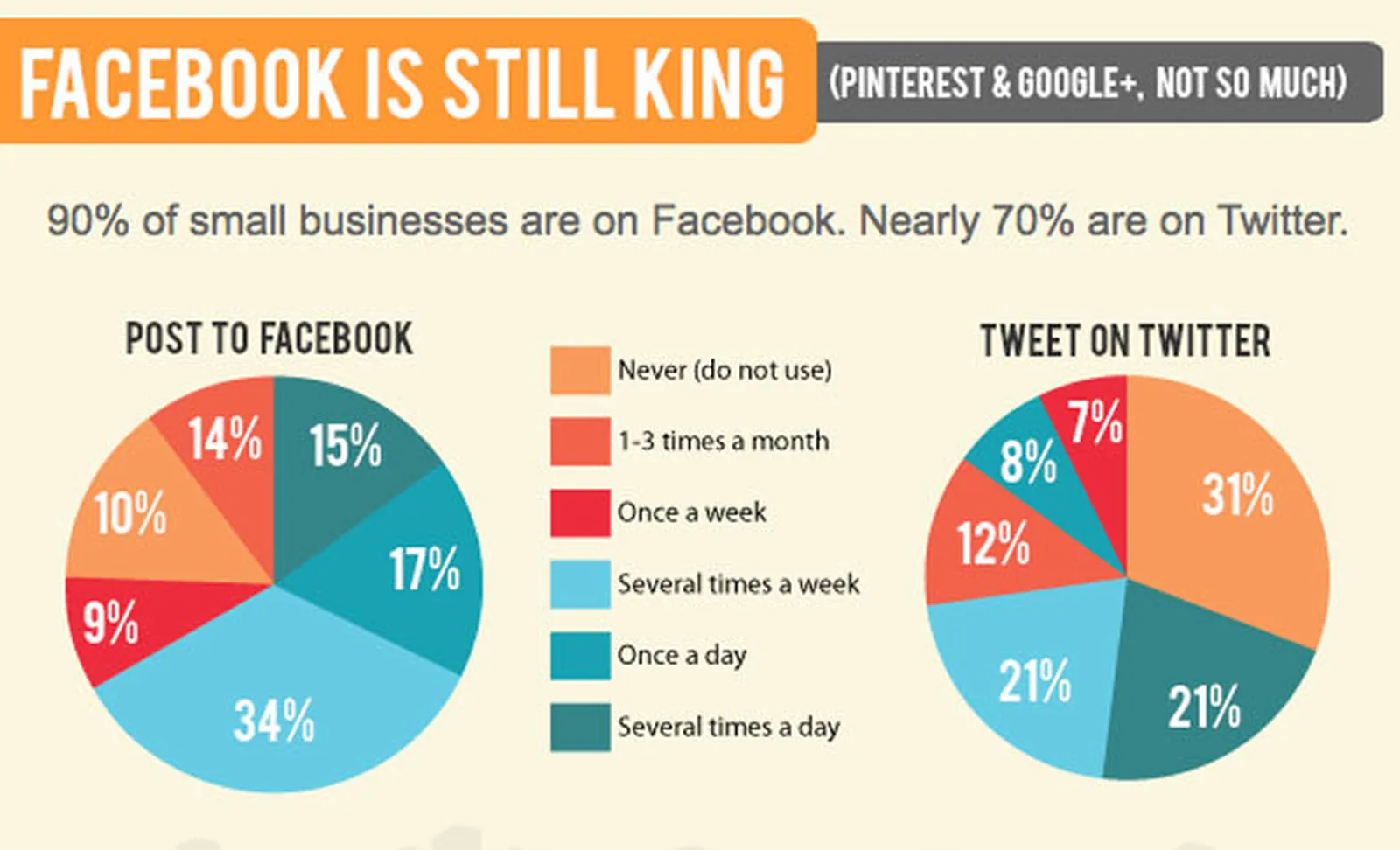
1. Decide What Social Must Do for the Business This Quarter
Social time expands when the goal is vague: "be active." Replace that with one job for the next 90 days: inbound messages, booked calls, local awareness, or product education. Write the job on a sticky note near your laptop. If a post does not serve that job, skip it.
This is a business decision as much as a marketing one. Hours are a budget. Spend them where the brand promise and buyer journey meet.
Practical move
Pick one primary metric tied to outcomes, such as profile-to-site clicks or qualified DMs. Review it weekly. Ignore empty promises of overnight virality.
2. Choose Fewer Platforms With a Clear Audience Match
Most small businesses do not need five channels. They need one or two where buyers already pay attention. Spreading thin creates weak creative and delayed replies, which hurts experience design more than silence on unused apps.
Audit where customers already find you: search, referrals, marketplaces, or one social feed. Double down there. Pause the rest until the primary channel has a coherent brand system.
3. Build a Brand-Ready Storefront Before Posting Volume
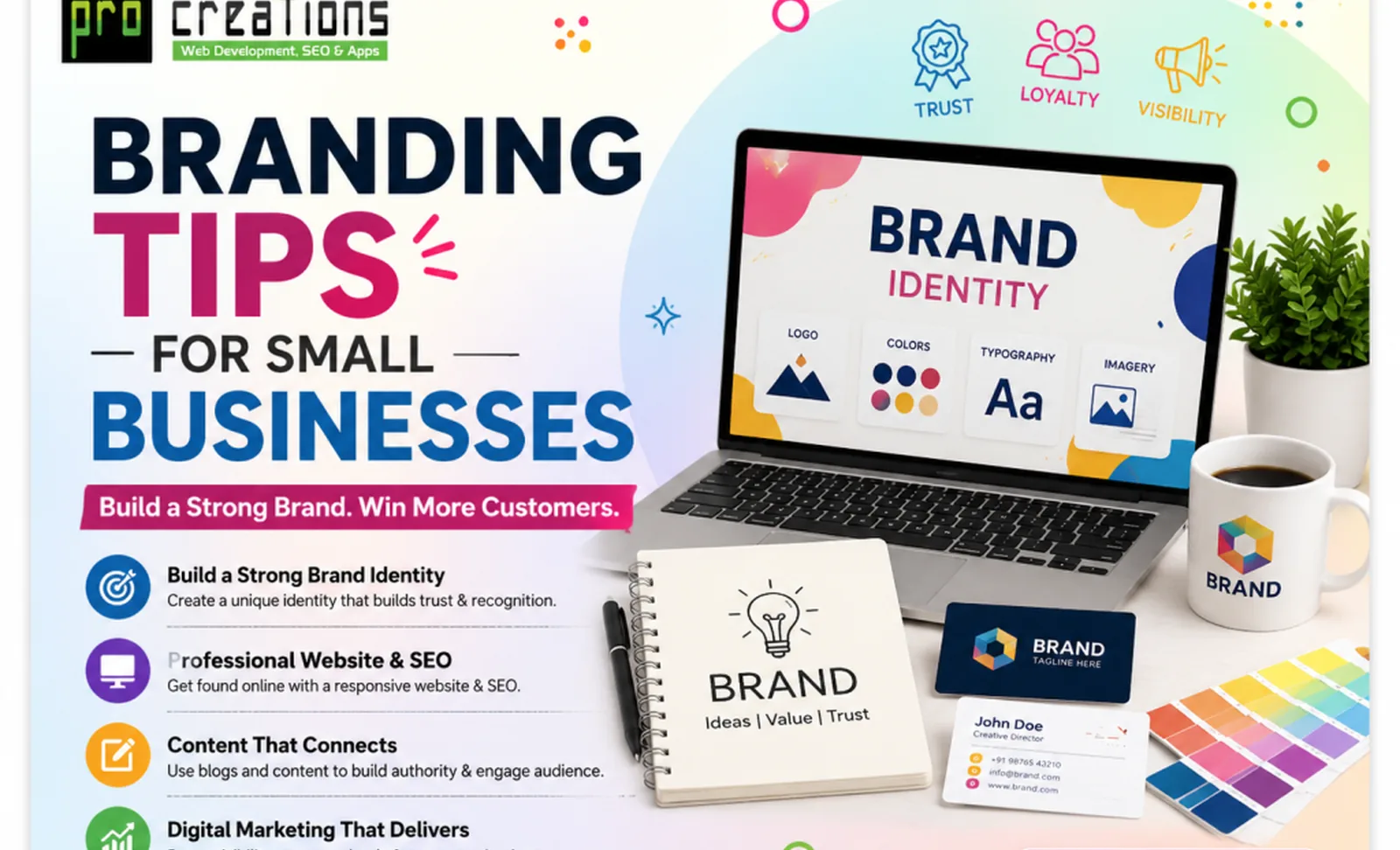
If the cover photo, logo, About section, and highlights look unfinished, more posts only amplify confusion. Match colors, type, and offer language to your website design. Use real process or product photos over cluttered stock.
Treat the profile as a storefront: outcome, audience, and next step. Visitors from a Reel should feel they entered the same brand world, not a different business.
4. Batch Creative With Reusable Templates
Daily blank-page design is the expensive habit. Build four frames: education, proof, process, and offer. Keep hierarchy readable on mobile. Operators who rely on social media systems usually win because design decisions happen once and reuse for weeks.
Support drafting with AI content workflows, then edit for accuracy and brand voice. Batch two weeks of assets in one sitting so cadence survives busy weeks.
Practical move
Block one half-day for production. No scrolling. Export, schedule, and stop.
5. Use Short Video for Reach, Static Posts for Proof
Short video often earns distribution faster than quiet static posts, especially when budgets block ads. Open on the problem or result in the first second. Keep branding visible. End with a clear next step. Repurpose one demo into a Reel, a tip card, and a longer caption post.
Static posts still matter for proof, FAQs, and brand memory. Together they reduce the need to invent something new every morning.

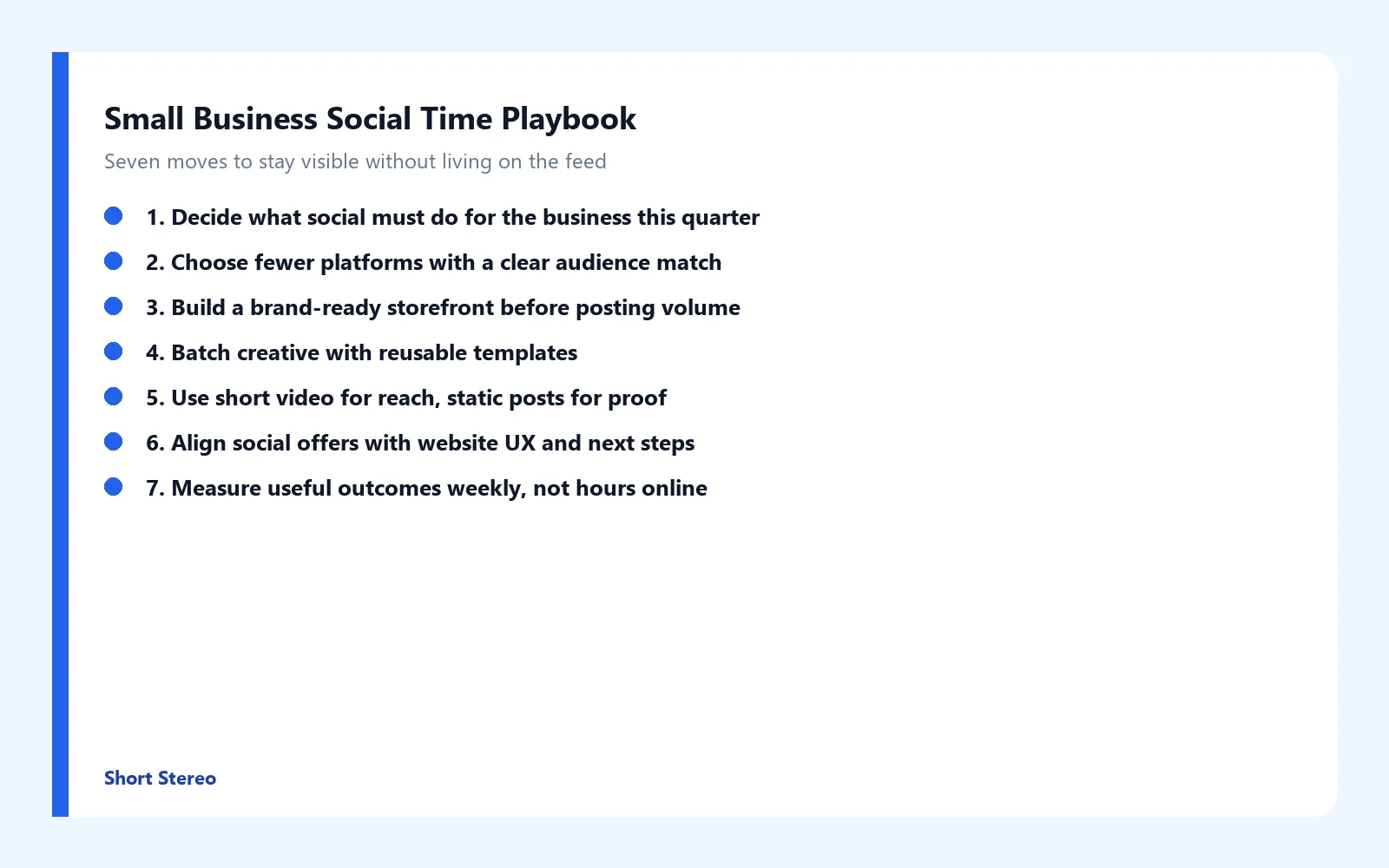
6. Align Social Offers With Website UX and Next Steps
Time on social is wasted when clicks land on a vague homepage. Make the post-click path obvious: matching headline, proof, and one action. Experience design connects the feed to the site so attention can become a conversation.
If messages rise while the site under-explains the offer, fix UX before adding more posting hours. If the site is clear but social looks random, fix templates next.
7. Measure Useful Outcomes Weekly, Not Hours Online
Track profile visits, link clicks, message quality, and booked next steps. Hours spent is an input, not a win. A two-hour weekly system that produces clear creative often beats fourteen scattered hours of reactive posting.
Never promise that less time, or more time, guarantees followers, sales, or rankings. Systems improve the conditions under which attention can turn into trust.
How Short Stereo Helps Small Businesses Spend Social Time Wisely
After founders ask if small businesses need so much time on social media, the teams that improve usually fix brand clarity, templates, and website follow-through together. Short Stereo helps connect those pieces so visibility becomes easier to earn without burning the calendar.
Conclusion
Do small businesses need so much time on social media? They need purposeful presence: a clear job for social, fewer platforms, a brand-ready storefront, batched templates, short video paired with proof posts, website alignment, and weekly outcome metrics. None of these moves guarantee followers, sales, or conversions. They improve the conditions under which people can trust you. If you want help turning that playbook into design and content execution, visit shortstereo.com.
Frequently Asked Questions
How can a design agency help small businesses with social media time?
A design partner helps by clarifying the offer, building a coherent brand system, designing reusable templates, and aligning website, social, and video so you post less often with more recognition. That reduces daily reinvention. Agencies do not guarantee followers, sales, or rankings.
What branding changes should businesses make to spend less time on social?
Tighten the promise to one clear offer language, match cover and profile visuals to the website, standardize fonts and colors, and stop mixing unrelated products in the same feed. Brand consistency turns a few strong posts into a recognizable storefront instead of endless one-offs.
How to use social media and video content without living online?
Batch short video and static posts in one session using a small template set. Lead video with the problem or result in the first second, keep branding visible, and end with a website or message next step. Pair that with a weekly cadence you can keep, not a daily grind you will abandon.
Do small businesses really need to be on every social platform?
Usually no. Pick the one or two channels where your buyers already spend attention, then make those surfaces brand-ready. Spreading a tiny team across five platforms often creates thin creative and weak follow-through.
Is daily posting required for small business social media growth?
Daily posting is not a universal requirement. Consistency and clarity beat exhausted volume. A steady weekly system with strong creative, clear offers, and a usable website path often outperforms random daily posts that look unfinished.