A laptop reliability list is never really about laptops. It's about which brands people trust before they've even opened the box.
BGR just published a list naming four laptop brands that compete with Lenovo: HP, Apple, Acer, and Razer. Lenovo has spent years topping reliability rankings, largely on the strength of the ThinkPad line's military-grade durability testing. But this list makes a more interesting point than “Lenovo is good”, it's a map of exactly where and how competitors chip away at a category leader's trust.
That's the part worth paying attention to if you run a brand, whether you sell laptops or something else entirely. Trust doesn't get built once and locked in. It gets defended, category by category, comparison by comparison.
Short Stereo works with brands on exactly this kind of trust-building, turning product reliability, support quality, and longevity into a coherent brand story instead of a spec sheet. That lens is useful here, because the Lenovo comparison is really a study in how brand trust gets contested.
The News: 4 Brands BGR Says Can Compete With Lenovo
When BGR framed HP, Apple, Acer, and Razer as laptop brands that compete with Lenovo, it split the fight the way buyers actually shop: productivity ThinkPad territory versus gaming Legion territory. That structure alone is a brand lesson, category leadership rarely means winning every use case.
Why a Laptop Reliability List Is Really a Brand Trust Story
Lenovo's reputation didn't happen by accident, it's built on visible proof: durability testing, a decade-plus product lifespan in some cases, and a ThinkPad line inherited from IBM's business-computing legacy. That's a brand story as much as a technical one.
How HP, Apple, Acer, and Razer Each Compete Differently
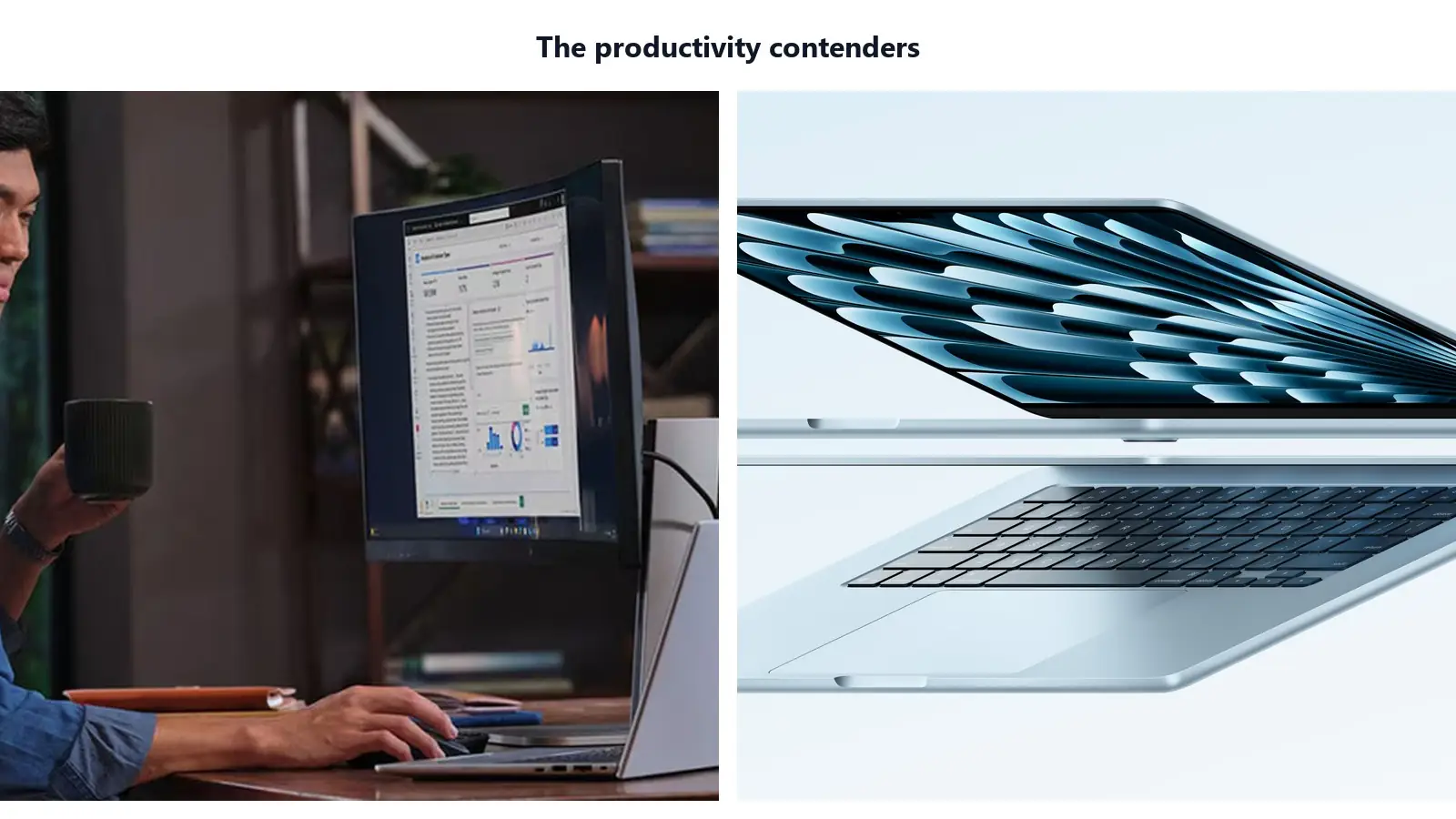
HP and Apple, the productivity contenders
HP's EliteBook line competes on the same turf Lenovo's ThinkPad dominates: business-class reliability, long support windows, and durable construction, with a five-to-seven year typical lifespan. Apple's MacBook Air takes a different angle entirely, simpler software management and strong performance-per-dollar rather than raw physical durability.
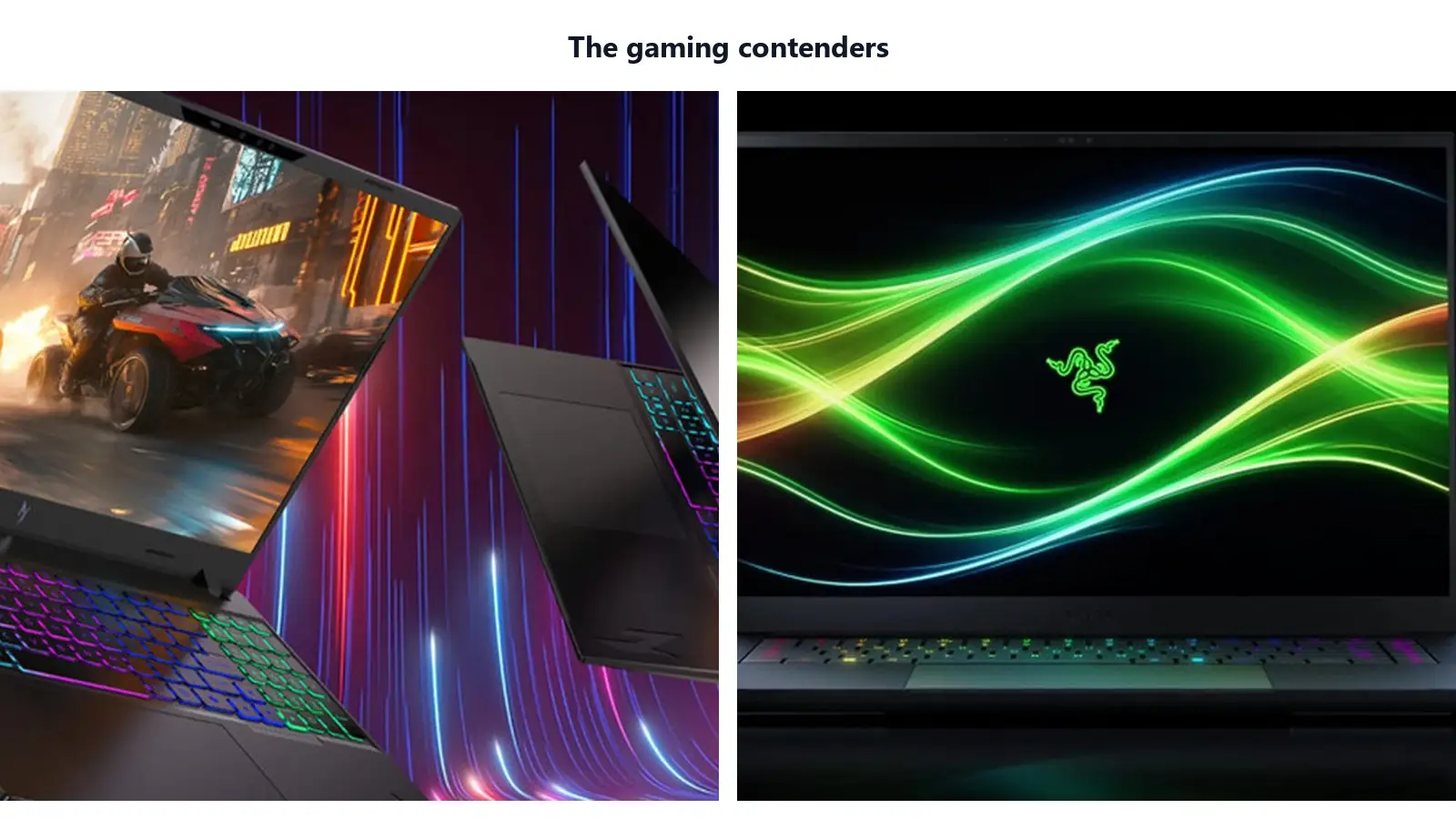
Acer and Razer, the gaming contenders
On the gaming side, Acer competes with Lenovo's Legion line on value: frequent discounts, dependable support, and genuinely capable budget hardware. Razer competes on a different axis, premium build quality and one of the longest hardware warranty programs in the category.
The Consumer Trust Signals Every Brand Should Notice
None of these four brands beat Lenovo across the board. Each wins on a specific trust signal that matters to a specific buyer:
- HP wins on long-term business reliability
- Apple wins on software simplicity and resale value
- Acer wins on price-to-reliability ratio
- Razer wins on premium build quality and warranty length
That's the real lesson: brand trust isn't one score. It's a bundle of specific, provable signals, and different competitors can win different signals without ever “beating” the category leader outright.
6 Brand Trust Lessons From the Lenovo Competitor List
Lesson 1: Reliability is a brand asset, not just a spec
Lenovo doesn't just claim durability, it publicizes the testing behind it. That's a brand decision, not a manufacturing footnote.
Lesson 2: Category leadership doesn't mean category-wide dominance
Being the top-ranked brand overall doesn't mean winning every use case. Smart competitors find the specific segment where they can legitimately win.
Lesson 3: Support and software updates are part of the brand promise
Frequent updates and dependable support show up repeatedly across all four competitors as trust signals equal to the hardware itself.
Lesson 4: Price-to-reliability ratio drives loyalty in budget segments
Acer's entire competitive angle is built on this ratio, not on beating Lenovo's specs outright.
Lesson 5: Long product lifespans become marketing material
A laptop that lasts six-plus years isn't just an engineering outcome, it's word-of-mouth proof that outperforms most advertising.
Lesson 6: Being named a “competitor” is free earned media
Every brand on this list gets positioned relative to the market leader without spending a cent on paid placement, a reminder that category comparisons are worth actively earning, not just hoping for.
Brands trying to build this kind of visible trust usually start by making their reliability and support story clearer on their own website, since that's where a comparison-driven buyer ends up doing final research. Short Stereo's brand-led website experiences are built around making exactly that kind of proof easy to find and easy to believe.
What Brands Should Implement This Quarter
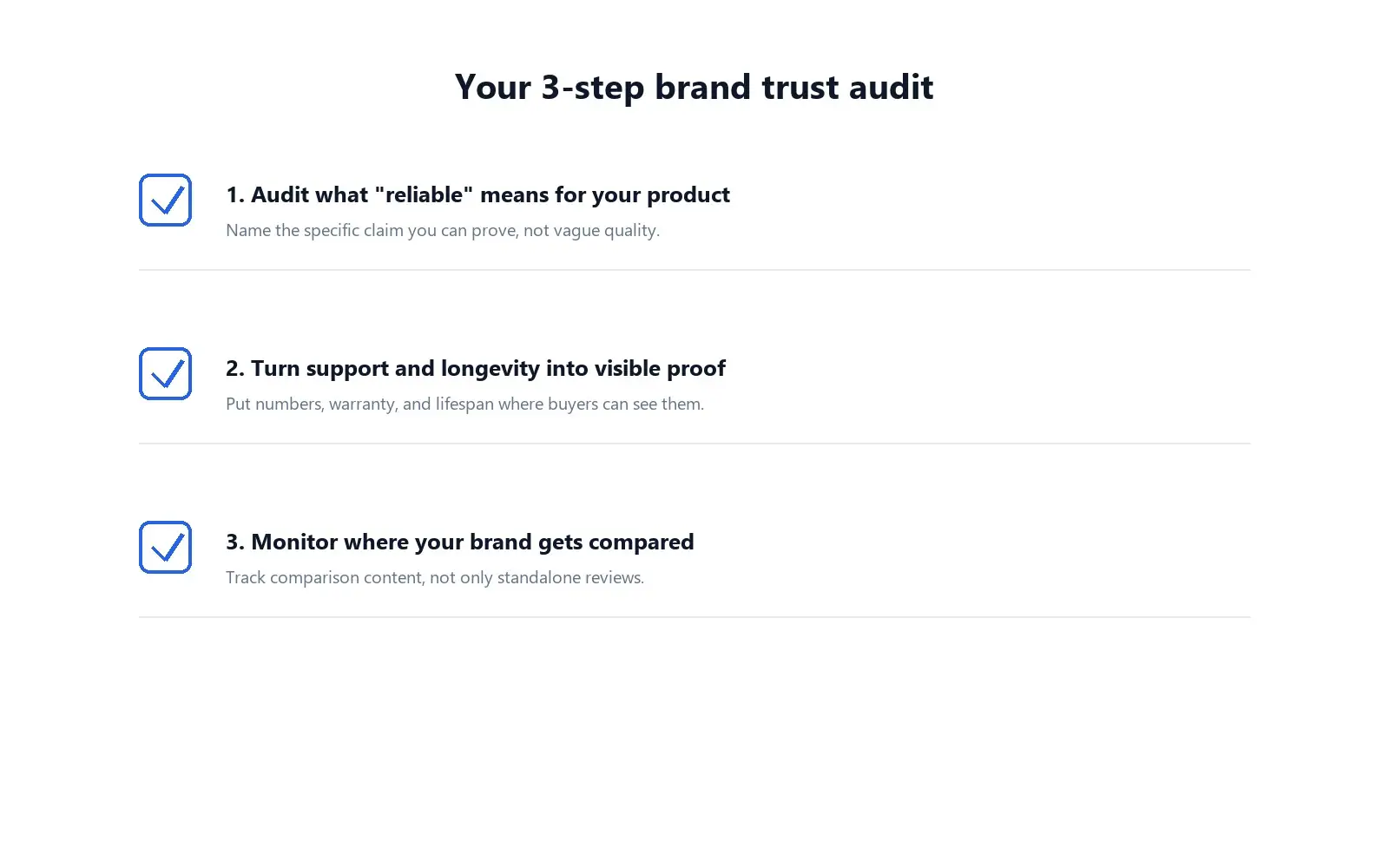
You don't need a reliability testing lab to apply this thinking. Start with three moves:
- Audit what “reliable” actually means for your product. Identify the specific, provable claim you can make, longevity, support response time, warranty length, rather than a vague “quality” message.
- Turn support and longevity into visible brand proof. If your product genuinely lasts or your support is genuinely fast, say so specifically, with numbers, the way HP and Razer do here.
- Monitor where your brand gets compared, not just reviewed. Comparison content (“X vs. Y”) often drives more late-stage purchase decisions than standalone reviews, track it deliberately.
Consistency matters here too, a strong reliability message falls flat if your social content doesn't reinforce the same specific claims. This is where social content systems built for brand consistency tend to close the gap fastest. Pair that with AI-assisted content and growth workflows so the proof stays current as product and support details change.
Where Most Brands Get This Wrong
The most common mistake is trying to compete on every trust signal at once instead of owning one clearly. Acer didn't try to out-premium Razer, and Razer didn't try to out-value Acer. Each competitor picked the specific claim it could defend and built its message around that alone.
How Short Stereo Helps Brands Turn Reliability Into Trust
Short Stereo helps growth-stage brands make trust legible: clearer proof on the website, consistent claims across social, and design systems that reinforce what you can actually defend. If your brand needs help turning a genuine reliability or support advantage into a clear, visible story, start with Short Stereo's design and motion work.
Conclusion: Laptop Brands That Compete With Lenovo Are a Trust Playbook
BGR's list of four laptop brands that can compete with Lenovo isn't really about laptops, it's a live example of how brand trust gets contested one specific claim at a time. HP, Apple, Acer, and Razer don't beat Lenovo outright; each wins a narrower, well-defended trust signal that matters to a specific buyer. Brands in any category can apply the same discipline: pick the trust claim you can actually prove, say it clearly, and let the comparison work in your favor. If you're ready to tighten that story, talk to Short Stereo or explore website design built around visible brand proof.
Source note
For original reporting on the four laptop brands that can compete with Lenovo (attribution only; no quoted text reproduced), see BGR.
Frequently Asked Questions
Which 4 brands can compete with Lenovo according to BGR?
BGR named HP and Apple as strong competitors to Lenovo's ThinkPad productivity line, and Acer and Razer as strong competitors to Lenovo's Legion gaming line.
Is Lenovo still considered the most reliable laptop brand?
Lenovo consistently ranks near the top of major reliability rankings, largely due to the ThinkPad line's durability testing, but these four brands each match or beat it on specific, narrower trust signals.
What can non-tech brands learn from this kind of comparison list?
That brand trust is built from specific, provable claims, like support quality or product lifespan, rather than a single vague reputation for quality, and that being named alongside a category leader is valuable earned media.
How does earned media like this affect brand perception?
Being featured in a brands that compete with [category leader] article positions a brand as a legitimate alternative without any paid placement, often carrying more credibility with buyers than a standalone review would.