If you have said I want to start a personal brand on Instagram but do not know how, you are stuck at the same place as many founders and freelancers: the account exists, the camera roll is full, and the positioning is still foggy. The fix is branding and experience design first, posting volume second.
That exact stuck feeling shows up often in operator communities, including an r/socialmedia thread from someone who wants to start making a personal brand on IG but does not know how. Teams that treat Instagram as a designed storefront, spanning promise, visuals, short video, and website follow-through, usually look clearer than people who only post more. This playbook stays faithful to that community pain without inventing growth stats or promising outcomes.
Why Starting a Personal Brand on Instagram Feels Hard
Instagram rewards recognizable patterns: a face people remember, a promise they can repeat, and content that looks intentional. Without those, every post feels like a first draft. Digital brand identity is the missing piece. Experience design is the second: make the profile easy to understand in five seconds.
You do not need celebrity fame to begin. You need a searchable offer in human language and a visual system you can keep.
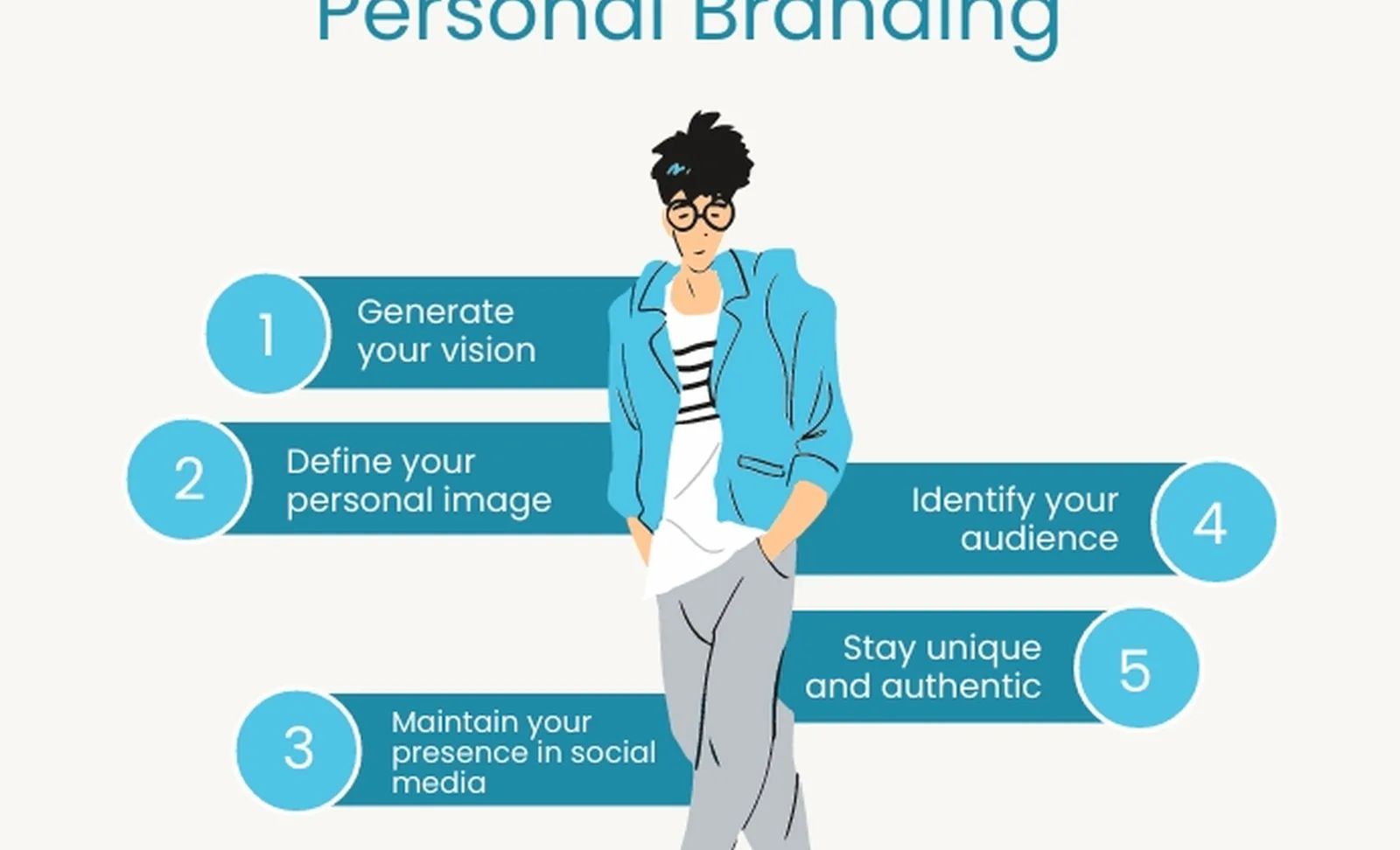
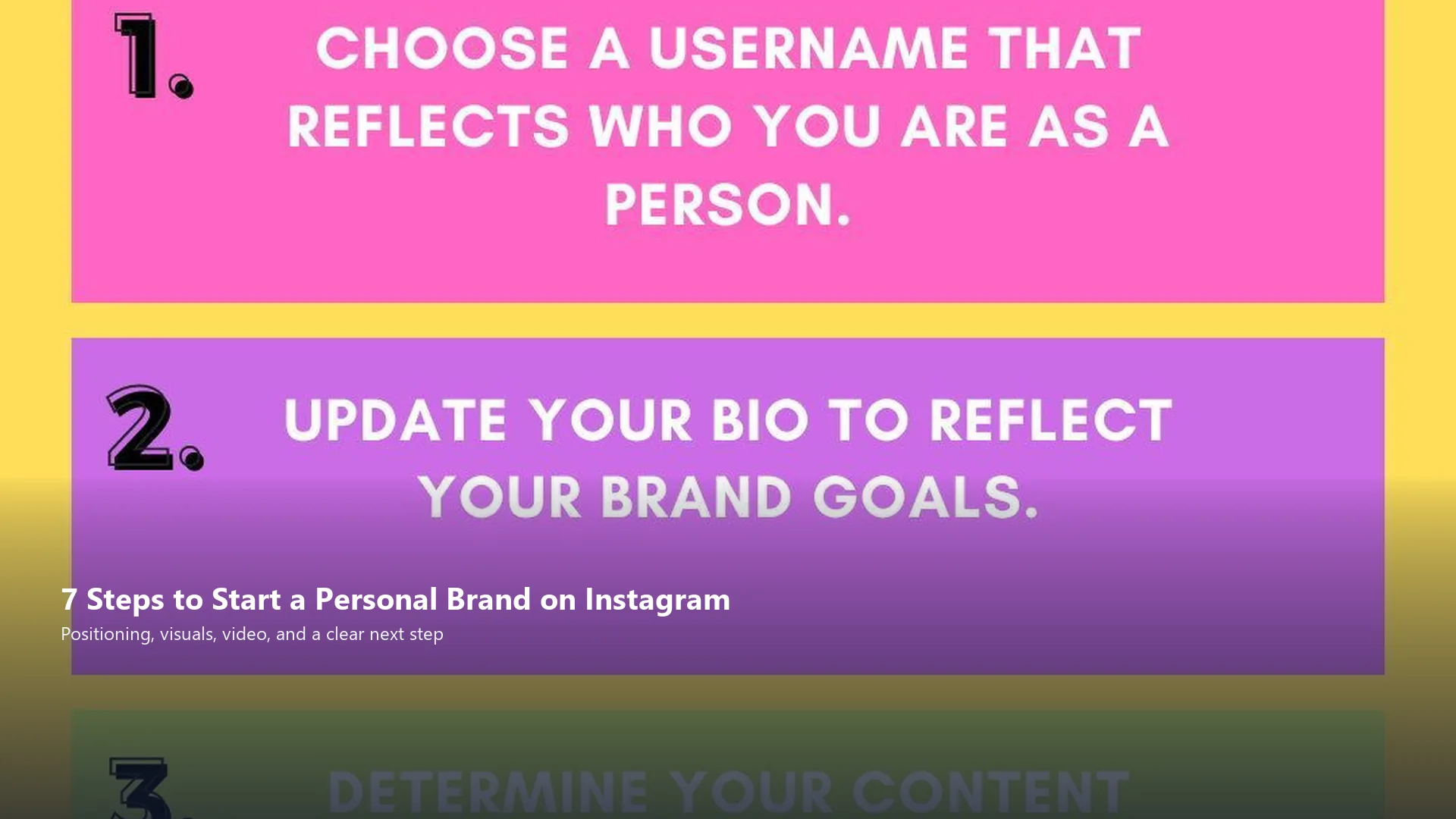
1. Choose One Audience and One Promise
Write one sentence: who you help and what outcome you create. If the sentence needs three commas, it is still too broad. A personal brand that tries to speak to everyone reads as noise.
Put that sentence near your laptop. Every Reel, carousel, and story should serve it. This is branding strategy in its simplest form.
Practical move
Finish this line: "I help [audience] get [result] without [common pain]."
2. Design a Profile That Reads Like a Storefront
A stranger lands from Explore or a shared Reel and decides in seconds. Use a clear face photo, a bio that states the promise, and a link that matches the offer. Highlights should teach, prove, and invite, not dump random memories.
Match colors and tone to your website design so Instagram and the site feel like one brand world.
3. Build a Simple Visual System Before Posting Volume
Pick a small palette, two type styles for covers, and a logo or wordmark placement rule. Templates beat one-off Canva experiments. Operators who rely on social media systems usually win because design decisions happen once and reuse for weeks.
Support drafting with AI content workflows, then edit for accuracy and your real voice. Tools speed production. Brand judgment still owns the final message.
4. Pick Four Content Pillars You Can Sustain
A useful starter set: teach, prove, process, and invite. Teach answers audience questions. Prove shows results or lessons. Process reveals how you work. Invite asks for a conversation or click. Rotate those pillars so the grid tells a story.
Skip pillars you will abandon in two weeks. Sustainability is part of brand trust.
Practical move
Write twelve post titles, three per pillar, before you film anything.
5. Use Short Video to Introduce the Person Behind the Brand
Personal brands need a person. Short video introduces face, voice, and point of view faster than static graphics alone. Open on the problem or result in the first second. Keep branding visible. End with one next step.
You do not need cinematic gear. You need clarity, decent light, and captions that work on mute.
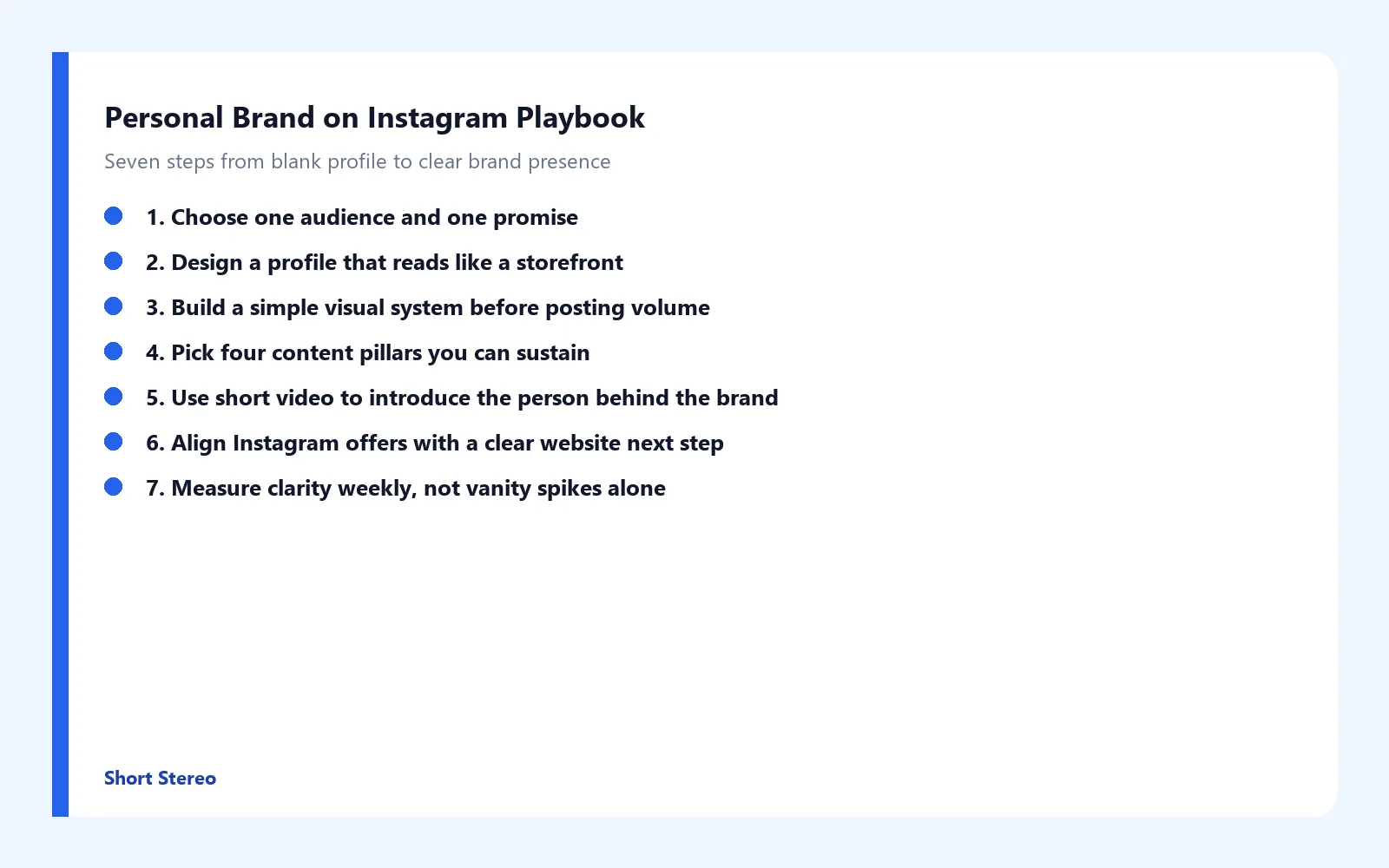
6. Align Instagram Offers With a Clear Website Next Step
Profile traffic dies when the link goes to a vague homepage. Make the destination obvious: matching headline, proof, and one action. Experience design connects the feed to the site so attention can become a conversation.
If messages rise while the site under-explains the offer, fix UX before adding more posting hours.
7. Measure Clarity Weekly, Not Vanity Spikes Alone
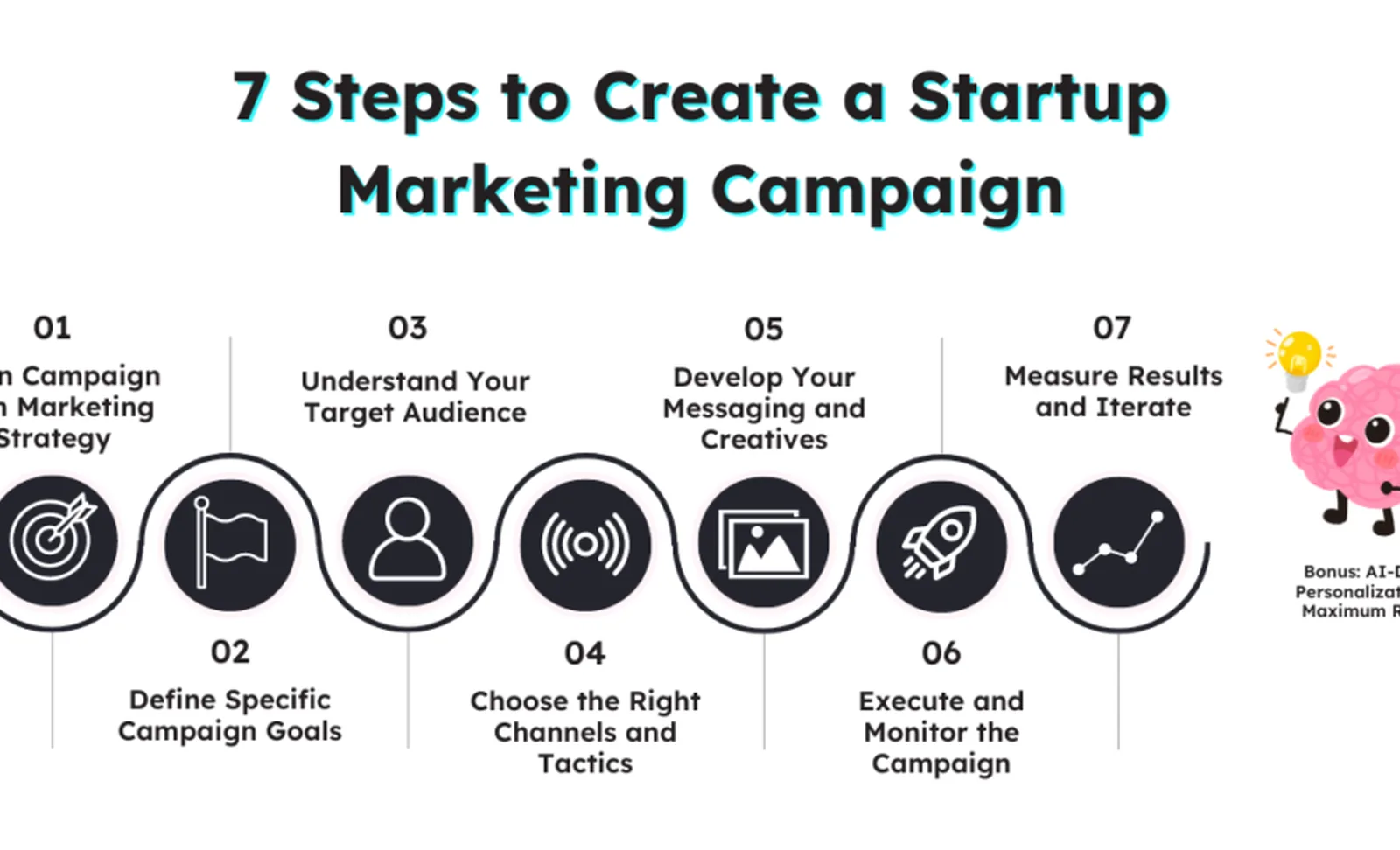
Track profile visits, link clicks, message quality, and whether people can repeat your promise. Follower counts alone do not prove a brand. A quieter week with clearer conversations can beat a spike with confused DMs.
Never promise that these steps will create sales, rankings, or viral reach. They improve the conditions under which people can trust you.
How Short Stereo Helps People Build Personal Brands on Instagram
After someone decides to start a personal brand on Instagram, the ones who improve usually fix positioning, visuals, and content systems together. Short Stereo helps connect those pieces so the profile becomes easier to understand and easier to act on.
Conclusion
Starting a personal brand on Instagram is less mysterious when you follow a system: one audience and promise, a storefront-ready profile, a simple visual kit, four sustainable pillars, short video that shows the person, website follow-through, and weekly clarity metrics. None of these moves guarantee followers, sales, or conversions. They improve the conditions under which people can trust you. If you want help turning that playbook into design and content execution, visit shortstereo.com.
Frequently Asked Questions
How can a design agency help you start a personal brand on Instagram?
A design partner helps clarify your promise, design a coherent profile system, build reusable templates, and align Instagram with a website next step. That reduces random posting and makes the brand easier to recognize. Agencies do not guarantee followers, sales, or rankings.
What branding changes should you make before posting more on Instagram?
Tighten one audience and one promise, match profile visuals to your real offer, standardize colors and type, and remove mixed messages from the bio and highlights. Brand consistency turns a few posts into a storefront instead of a scrapbook.
How to use social media and video content for a new personal brand?
Start with short video that introduces who you help and what outcome you create. Support it with static proof, process, and FAQ posts. Keep captions readable and end with one clear action. Batch creative so cadence survives busy weeks.
Do I need a perfect logo before starting a personal brand on IG?
No. You need a clear promise, readable profile photo, consistent colors, and honest content. A polished logo can come later. Starting with clarity beats waiting for perfect design files.
How often should beginners post when building a personal brand on Instagram?
Choose a cadence you can keep, such as a few quality posts each week, instead of daily volume you will abandon. Consistency and clear positioning matter more than exhausted frequency. Never promise that any schedule will create viral reach.