CBS Sunday Morning's look at Louis Vuitton design is not a soft fashion feature for brand teams. Artistic director Nicolas Ghesquière frames the world's largest luxury house as a system that still starts with function, then adds craft, then invents the unexpected. Founders, CMOs, and design leads should read that sequence as a brief for websites, packaging, retail, and campaigns, not as runway gossip.
The profile walks through archives outside Paris, trunks still made for life, the Petite Malle shrunk to phone-and-keys scale, and a coming collaboration with the Keith Haring estate. The searchable entity is Louis Vuitton. The business lesson is how a heritage brand designs the future without abandoning the product promise that made it famous.
Coverage from CBS News quotes Ghesquière on balance: function, craftsmanship, and looking forward for new ideas. Official Fall-Winter 2026 leather goods storytelling from Louis Vuitton shows the same tension in product form. For non-luxury teams, the question is practical: which rules from Louis Vuitton design travel into your experience design and branding strategy this week?
Why Louis Vuitton Design Matters to Searchers
People search Louis Vuitton design because the house sits at the top of luxury brand design trends. Queries cluster around monogram heritage, artistic directors, collaborations, store experiences, and bags that become cultural objects. When CBS frames "designing the future," searchers want the famous brand first and the method second.
Brand leaders search the same story for portable rules. Luxury craft often trickles into mainstream expectations for packaging, photography, retail theater, and website polish. If Louis Vuitton treats each season like opening a trunk of memories and surprises, your customers will feel cheaper when your own brand jumps between random novelty and flat utility with no connective system.
That is why this profile belongs in a design and marketing brief. Famous entities create demand. Your job is to convert that demand into clearer digital brand identity, social storytelling, and product experience without copying protected marks.
Searchers who land on "designing the future" headlines often bounce when the copy stays abstract. Anchor every section to Louis Vuitton as the famous entity, then translate craft into actions a mid-market brand can ship: photography standards, packaging hierarchy, website proof, and collaboration rules. That is how mainstream demand becomes usable strategy.
What Changes for Consumer Experience
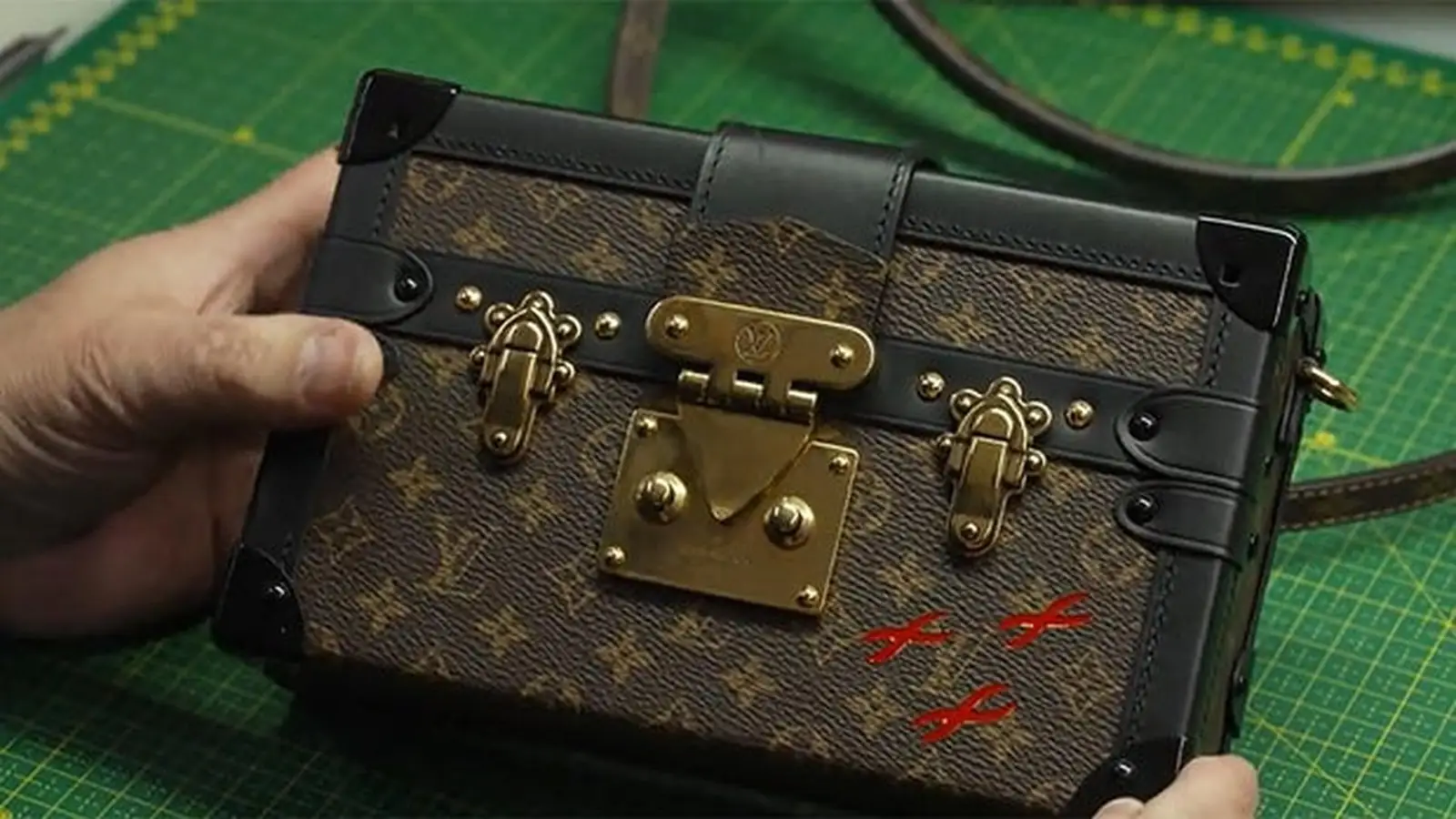
Consumers encounter Louis Vuitton as more than a logo. They meet archives, workshops, boutique rituals, viral windows, and products that feel engineered for travel then reinterpreted for daily life. The Petite Malle is the clearest example in the CBS piece: trunk codes compressed into a clutch "just big enough to put a phone and some keys."
That shrink-and-keep method changes how people judge other brands. If your packaging, app, or store cannot explain why a product exists in a sentence, it feels unfinished beside luxury craft narratives. Experience design becomes the proof layer for heritage claims. A beautiful campaign that leads to a clumsy website or inconsistent social feed reads as brand risk.
Build journeys that honor function first, then delight. A coherent website design system and disciplined social media branding should make craft visible in load speed, photography standards, and FAQ clarity, not only in moodboards.
Brand and Visual System Implications of Designing the Future
Ghesquière says every small decision at Louis Vuitton has massive economic and creative impact. That pressure forces system thinking: archives as idea banks, workshops as quality proof, collaborations as controlled surprise, and product families that still feel like one house.
Visual systems for brands watching Louis Vuitton should prepare for three pressures. First, materials and finish photography will look cheap if lighting and crops are casual. Second, motion and interface polish become part of brand trust for any digital storefront near luxury expectations. Third, collaboration drops need rules so guest artists expand the story instead of fracturing it. Branding strategy here is restraint with permission for surprise, not random rebrands.
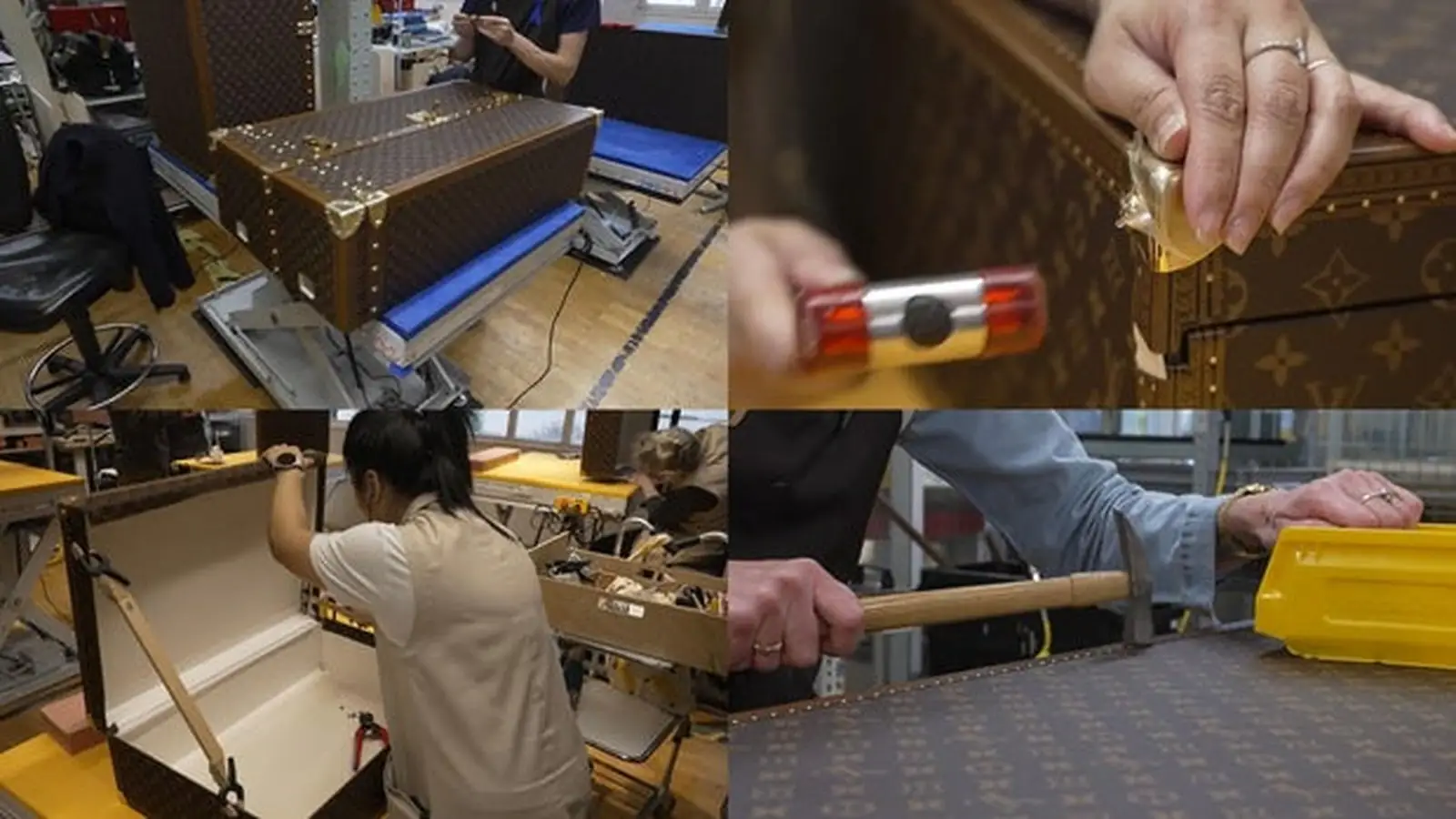
Pierre-Louis Vuitton's workshop line in the CBS piece is the counterweight: a trunk is not for a day or a week, it is for life. Longevity is a design requirement. If your brand promises durable value, your UI, packaging, and support flows must feel built to last too.
Do not confuse longevity with sameness. Ghesquière's "unexpected" rule exists so the house can move culture without abandoning craft. Your brand needs the same dual control: a stable core system and a documented lane for surprise, so teams do not invent a new visual dialect every time a trend spike hits LinkedIn.

7 Design Lessons From Louis Vuitton's Future Vision
1. Start with function, then elaborate into luxury
Ghesquière is fascinated that Vuitton began with a flat, stackable trunk before exquisite elaboration defined luxury. Brands should protect the useful promise first. Style that does not improve use becomes costume.
2. Treat archives as a working toolkit, not a museum visit
Ghesquière finds "secrets" in the archive building. Your brand equivalent is a living system of approved motifs, photography rules, product stories, and rejected ideas. Mine it before inventing a new dialect every quarter.
3. Design for life, not for the content calendar
Workshop trunks are built to last. Translate that into digital brand identity: durable templates, reusable motion languages, and packaging that still looks intentional after the campaign week ends.
4. Shrink heritage into modern formats
The Petite Malle proves a house code can change scale without losing meaning. Ask which of your hero offers can become a lighter SKU, a mobile flow, or a social-native format while keeping the same craft story.
5. Open each season like a trunk of memories
Ghesquière imagines books, colors, and memories inside a trunk every season. Campaign briefs should name the emotional inventory, not only the offer. Then use AI content workflows to keep that inventory consistent across channels.
6. Make surprise a rule, not a panic button
He says fashion sells because people want new things and to feel different: classic surprise, colorful surprise, or experimental surprise. Write one surprise rule your brand can defend. Random novelty without rules looks desperate.
7. Collaborate without losing the house voice
A Keith Haring estate collaboration for clothes and bags shows how guest culture can refresh a famous system. Set guardrails: what the partner can change, what remains yours, and how digital and retail stay coherent during the drop.

What Businesses Should Implement This Week
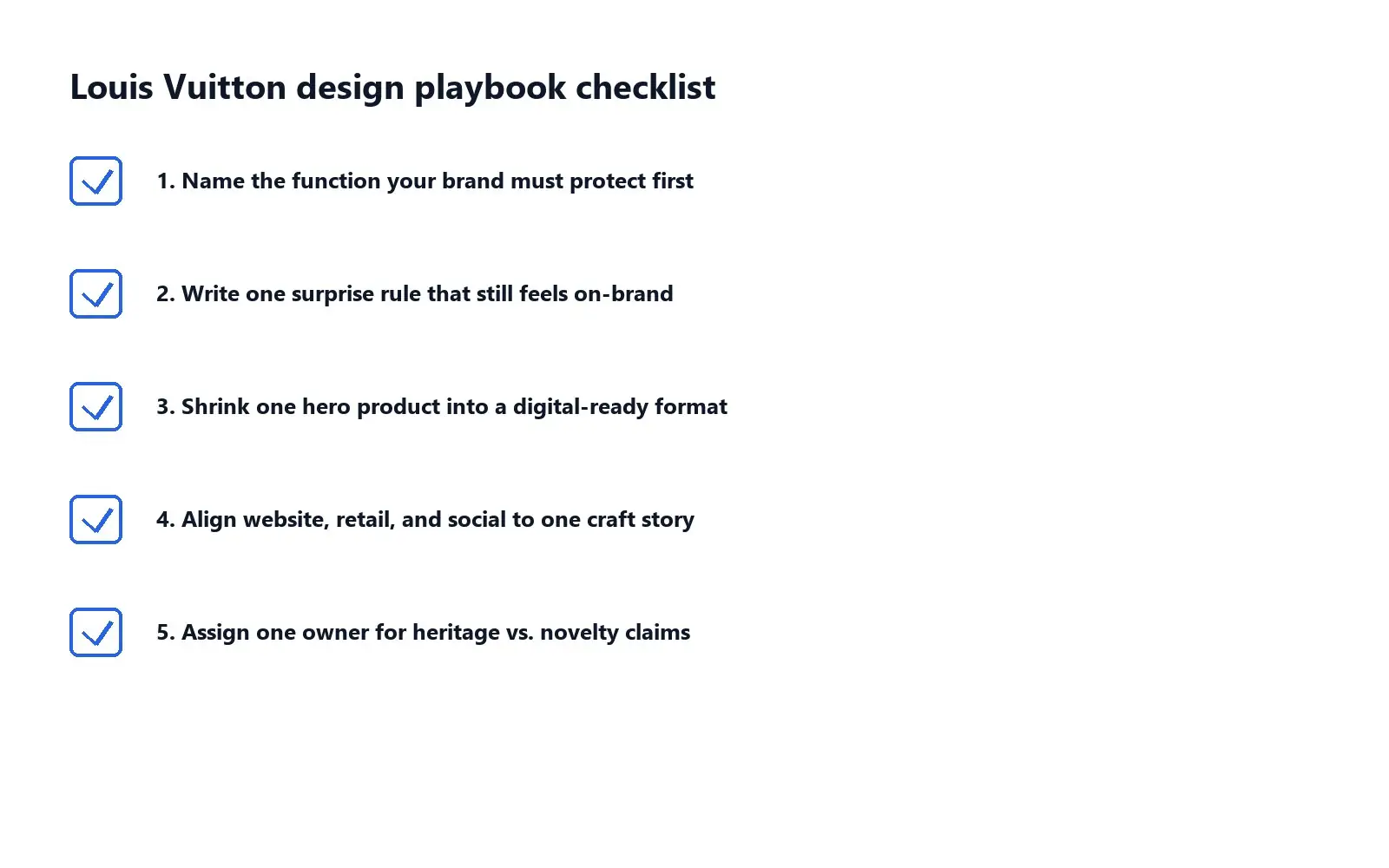
- Write a one-sentence function promise your brand must never break.
- Inventory archive assets: photos, motifs, product stories, and banned shortcuts.
- Pick one hero product to "shrink" into a clearer digital or social-native format.
- Define one surprise rule for the next campaign (classic, colorful, or experimental).
- Align website, packaging, and social photography to one craft standard.
- If you collaborate, publish partner guardrails before assets ship.
Consistency during a design trend cycle matters more than a dramatic rebrand. Customers forgive a calm interim system. They punish confused promises. Use Louis Vuitton design coverage as a forcing function to tighten your own operating rules before the next launch. If your category will be compared to luxury craft this season, schedule a lightweight QA pass across product photos, homepage claims, and support FAQs before comments start pointing out the gaps.

How Short Stereo Helps Brands Apply Luxury-Level Consistency
Short Stereo helps teams translate mainstream design trends into practical identity systems: clearer websites, on-brand social, and AI-assisted content that does not invent claims. After coverage like Louis Vuitton designing the future, the brands that win are the ones that can keep one craft promise intact across product, web, and campaigns while the market watches luxury for cues.
Conclusion
Louis Vuitton design matters because the house still treats function, craft, and surprise as one system. CBS's profile of Nicolas Ghesquière shows archives, lifelong trunks, the Petite Malle, and collaboration energy as connected moves, not isolated drops. The seven lessons above help any business raise experience standards without copying monograms. Close those gaps now, while you can still design the system instead of reacting under trend pressure. If you want help turning that into a practical brand and website system, visit shortstereo.com.
Frequently Asked Questions
What is Louis Vuitton's design philosophy in the CBS profile?
Artistic director Nicolas Ghesquière describes Louis Vuitton design as a balance of function, craftsmanship, and forward-looking innovation. He treats each season like opening a trunk: imagining colors, memories, and unexpected objects inside a heritage frame.
Who is Nicolas Ghesquière at Louis Vuitton?
Nicolas Ghesquière is artistic director shaping Louis Vuitton's ready-to-wear and fashion collections. In the CBS Sunday Morning profile, he discusses craft, surprise, the Petite Malle, and collaborations such as work with the Keith Haring estate.
What can non-luxury brands learn from Louis Vuitton design?
Protect a clear functional promise, invest in craft that lasts, design one surprising moment per campaign, shrink hero products into digital-ready formats, and keep website, retail, and social on one coherent system without copying the LV monogram.
How does Louis Vuitton connect heritage to modern products?
The house still builds trunks for life at the family workshop, while products like the Petite Malle shrink trunk codes into phone-and-keys scale. Heritage becomes a usable format system, not only a nostalgia campaign.